Create presentation images from selected ZBrush sculpt views and renders.
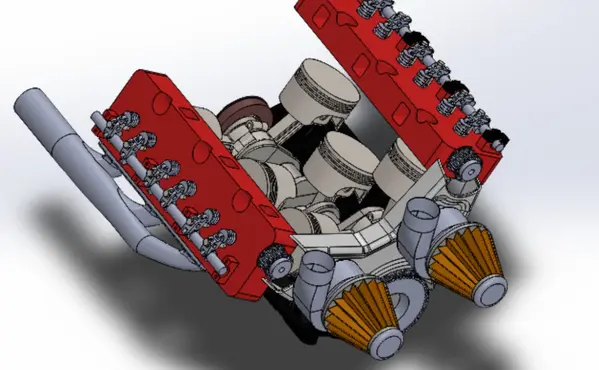
Begin with one clear ZBrush view saved as a flat PNG or JPEG. Page media shows general RENDERCAD product examples and an Onshape motion example, not ZBrush footage, project content, or output.


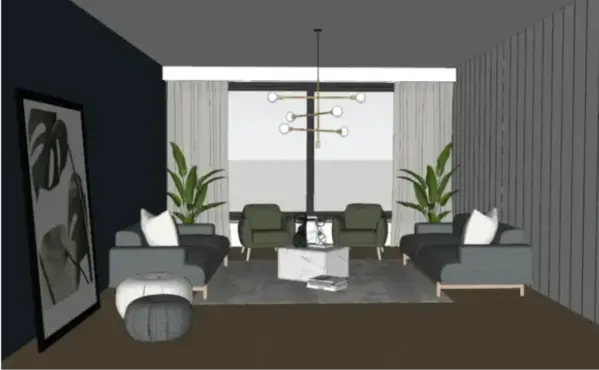
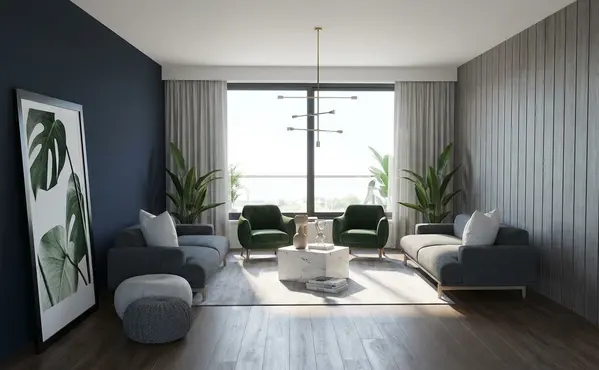
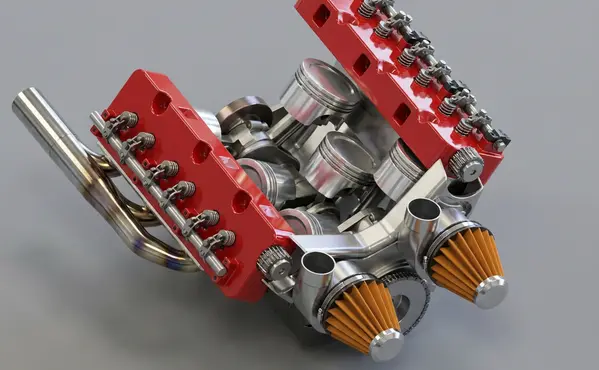


ZBrush combines digital sculpting, modeling, painting, and rendering in one desktop workspace. Production artists divide complex assets into SubTools, apply PolyPaint directly to dense geometry, and inspect the visible result on the canvas with BPR or in-ZBrush Redshift. RENDERCAD begins only after that work is flattened to one still.
Use this workflow when the sculpt, pose, silhouette, and focal detail already read clearly but the work needs a presentation direction. A neutral clay view can support form review; PolyPaint can communicate color decisions; BPR or Redshift can provide a more finished source for a creature bust, character portrait, prop, toy, statue, or collectible.
RENDERCAD can explore a studio backdrop, atmospheric key light, campaign mood, or portfolio setting from that chosen still. Keep facial structure, cut lines, ornaments, fibers, and material boundaries readable when they matter. Use the result for art direction and presentation, then return to ZBrush for geometry, subdivisions, SubTools, masks, Polygroups, PolyPaint, maps, cameras, and render decisions.
In ZBrush, choose the visible SubTools and frame an angle that exposes the pose, silhouette, and sculpted features under review. Decide whether the source should use neutral clay, a MatCap, PolyPaint, fibers, BPR, or Redshift. Keep enough contrast for recessed detail, then hide brushes, masks, selections, floor guides, and interface clutter before making the image.
Save one clean PNG or JPEG from the canvas, BPR, or Redshift output and upload that flat image to RENDERCAD. Describe one presentation goal, compare variations from the same source view, and check the result against the sculpt. Return to ZBrush for changes to form, pose, SubTools, PolyPaint, texture, camera, lighting, BPR passes, or Redshift settings.
This general RENDERCAD motion example uses an Onshape model, not ZBrush. Generated motion begins with a finished presentation image.
Mark part of the presentation image and request a visual adjustment. This edits pixels, not the sculpt, SubTools, subdivisions, masks, Polygroups, PolyPaint, materials, or maps.
Try another image model for a different studio treatment, atmosphere, backdrop, or perceived material. Compare every interpretation with the selected ZBrush view because sculpted details can drift.
| Feature | RENDERCAD | ZBrush BPR / Redshift |
|---|---|---|
| Engine | Generative image models | ZBrush BPR plus in-ZBrush Redshift rendering |
| Output | Presentation images + optional generated video | Rendered stills, BPR passes, Timeline movies, and turntables |
| Resolution | HD / 4K | Controlled by document, render, and output settings |
| Image Speed | About 60 seconds | Depends on SubTools, resolution, effects, settings, and hardware |
| Optional motion | Generated image-to-video | Timeline and turntable output depends on frames and render settings |
| Scene Set Up | Flat PNG or JPEG + prompt | Visible SubTools, materials, lights, camera, effects, and render settings |
| Input | One PNG or JPEG | Active ZBrush project with editable sculpt and scene information |
| Hardware | Cloud processing | Installed Windows, Windows-on-Arm, or macOS application |
| Install | Web app | BPR is built in; Redshift is a separate required installation |
| Cost | From $9/mo | Current ZBrush desktop sales are subscription-based; plans include premium iPad access |
ZBrush BPR and Redshift render from the editable sculpt and scene. RENDERCAD interprets one flattened still as separate presentation imagery.
Choose the visible SubTools, pose, camera, PolyPaint or material treatment, lighting, and render method. Keep important forms and surface detail readable, then remove interface clutter before saving the source image.
 ™
RENDERCAD™
™
RENDERCAD™
Upload a PNG or JPEG in the browser, or capture the selected ZBrush canvas region with the desktop app. RENDERCAD receives pixels rather than ZPR, ZTL, mesh, or scene data.
Get StartedZBrush source views, sculpt fidelity, and presentation output
No. Save one flat PNG or JPEG from the chosen ZBrush view. The project, Tool, SubTools, geometry, subdivision levels, and other editable data remain in ZBrush.
Use a clean canvas capture for an early sculpt or MatCap review, BPR for a finished document-sized view and passes, or Redshift when native lighting and material presentation already matter.
Show the intended SubTools, pose, silhouette, PolyPaint or material treatment, fibers, and focal details. Hide brushes, masks, selections, floor guides, and interface elements that distract from the sculpt.
No. RENDERCAD sees visible pixels only. SubTool structure, subdivision levels, masks, Polygroups, sculpt layers, morph targets, UVs, maps, and project organization remain in ZBrush.
Use it to judge presentation at the chosen viewing scale, not technical sculpt quality. Inspect anatomy, silhouette, topology, recessed forms, fiber placement, and fine surface work in ZBrush.
No. Their visible appearance is flattened into the source image. PolyPaint data, material and light settings, sculpt masks, depth or mask data, and separate BPR passes do not transfer into RENDERCAD.
Mask the visible region and describe one presentation change. Compare the new result with the source because the operation alters pixels and may also affect nearby sculpted detail.
No. It animates one flat still and has no model, Timeline keys, hidden geometry, or editable ZBrush scene data. Create turntables or record Timeline animation in ZBrush.