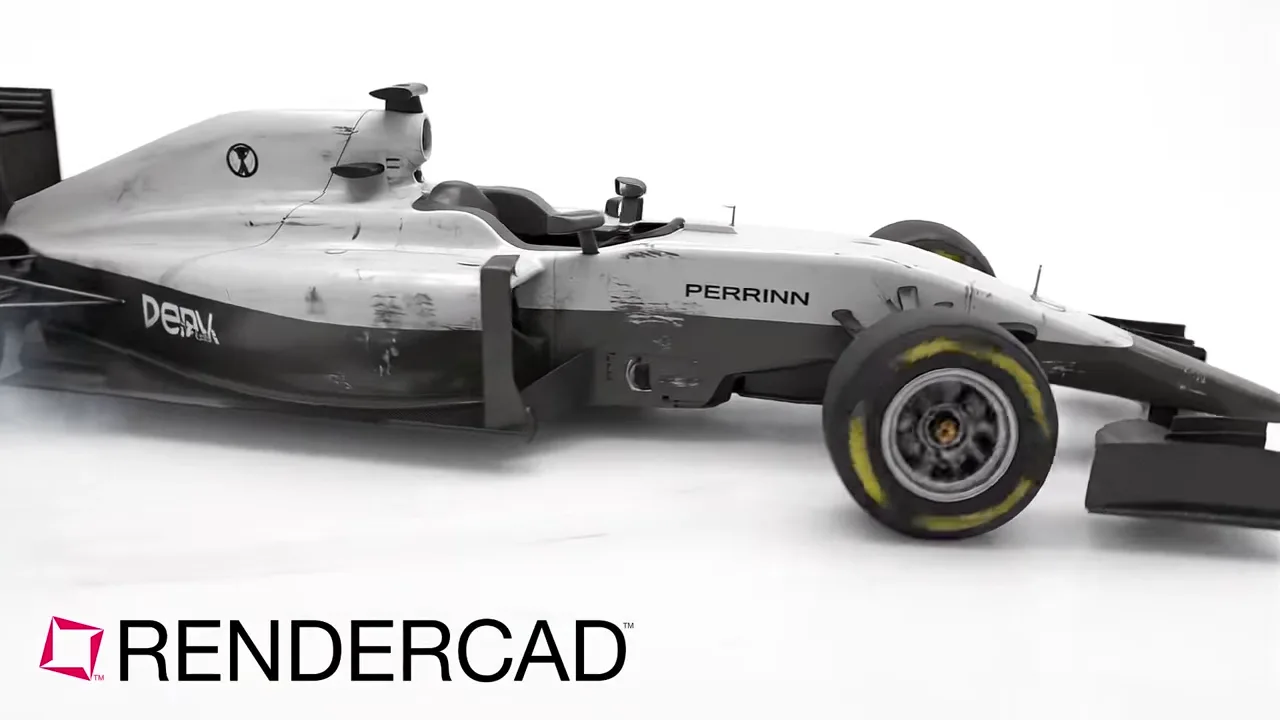
Presentation-ready stills from Mudbox sculpt and paint reviews.
Autodesk Mudbox is a brush-based 3D sculpting and texture-painting application for refining detailed polygonal characters, creatures, props, and environments. Artists can build forms across subdivision levels, keep sculpt detail on separate layers, and paint directly on the model before passing assets and texture maps to a wider production pipeline.




Autodesk Mudbox is a brush-based 3D sculpting and texture-painting application for refining detailed polygonal characters, creatures, props, and environments. Artists can build forms across subdivision levels, keep sculpt detail on separate layers, and paint directly on the model before passing assets and texture maps to a wider production pipeline.
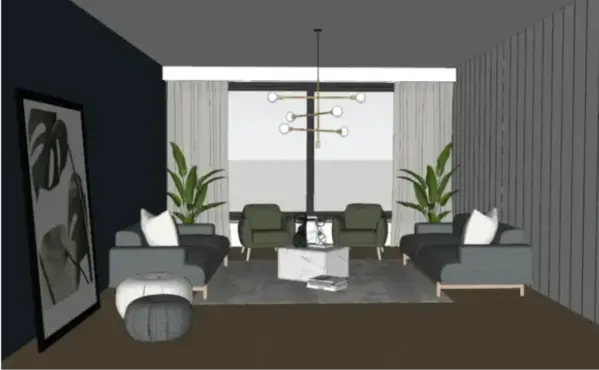
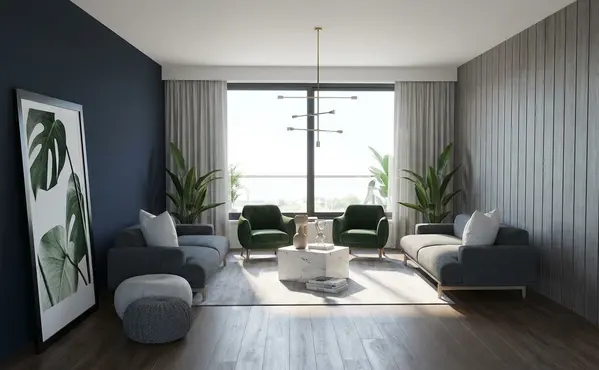
Autodesk Mudbox artists use brush-based sculpting and direct 3D painting to develop surface form and material detail on imported or sculpted polygonal models. A prepared 3D View is especially useful when the review concerns a creature's silhouette, facial planes, wrinkles, pores, sculpt-layer variation, paint-layer color, or a projected graphic. RENDERCAD can turn that intentionally composed view into a more polished still for a character critique, texture approval, prop presentation, portfolio selection, or art-direction board. It works best when the capture already makes the chosen angle, visible layers, material read, and lighting cue clear. Mudbox remains the source of truth for editable mesh detail, layer blending, subdivision work, and exported paint or displacement maps.
In Mudbox, select the subdivision level and sculpt or paint layers that tell the review story, then frame the 3D View around the area of interest. For a texture-focused image, check that the intended color, mask, decal, or stencil-projected detail is visible on the model; for a form review, use a view and material read that reveal the planes and surface relief. Hide guides, selection highlights, and interface clutter before capturing the clean viewport. Send the capture to RENDERCAD to produce a presentation-ready still for an art review, approval deck, asset handoff, or marketing reference. Return to Mudbox for any changes to the geometry, layers, maps, or underlying asset.
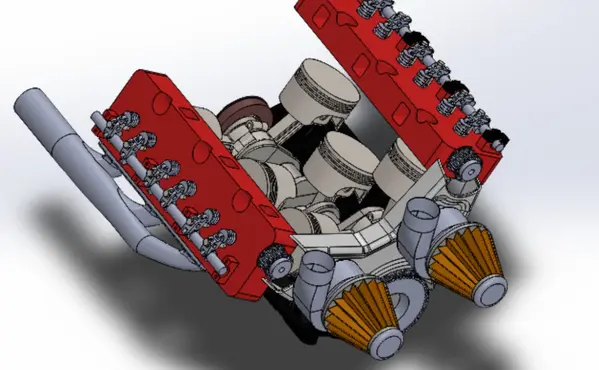
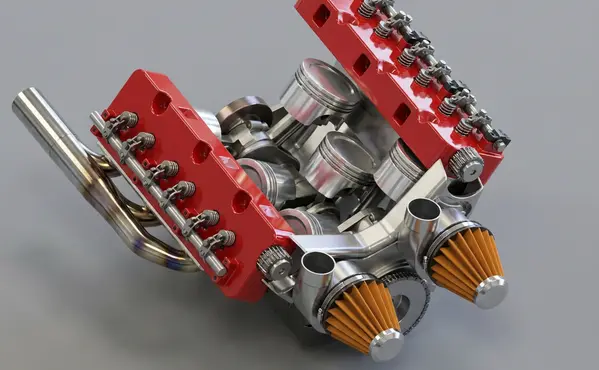
Modeled by CADSharp in Onshape. Rendered with RENDERCAD.
Add | Change | or Remove referenced objects with the stroke of a brush.
RENDERCAD uses a maintained selection of image-generation models for different rendering tasks. Results can vary by model and input, so compare generated output with the source design before relying on geometry, materials, or dimensions.
| Feature | RENDERCAD | Competitor |
|---|---|---|
| Engine | Generative AI | Varies by tool |
| Output | Images + Video | Varies by tool |
| Resolution | HD / 4K | Varies by workflow |
| Image Speed | Image renders complete in 60 seconds. | Varies by scene/tool |
| Video Speed | Videos complete in 2-5 minutes. | Varies by workflow |
| Scene Set Up | No separate local scene | Varies by workflow |
| Input | Screen Snip | Varies by tool |
| Hardware | Cloud GPU | Often local GPU/CPU |
| Install | None | Varies (web or app) |
| Cost | from $9/mo | Varies widely |
Read the numbers. We trust you to know theirs.
Skip a separate local scene build. Pick a condition, material, and background while RENDERCAD handles the image-generation step. Image renders complete in 60 seconds.
 ™
RENDERCAD™
™
RENDERCAD™
Use the browser workflow directly, capture a selected view with the desktop app, or start from the browser extension.
Get StartedCommon solutions for Autodesk Mudbox users
Choose a suitable background and describe a reflective floor. Inspect the generated reflection for alignment, product fidelity, and unintended details.
Choose the Seamless loop end-frame option to guide the clip toward a looping transition. Review the exported loop because continuity can vary by model and source image.
If the source viewport is visible but a local renderer fails, capture a clear screenshot and use it as a RENDERCAD input. Image renders complete in 60 seconds.
Yes. Upload a photo of a foam model and prompt "Finished plastic product" to visualize the final look.
Describe the color code name (e.g., "Traffic Red") in the prompt.
Image renders complete in 60 seconds.
Generation runs on cloud infrastructure, so a local rendering GPU is not required. The device still needs sufficient resources for the source application, browser, and network connection.
Context prompts can provide a visual scale cue, but the source model and known dimensions remain authoritative. Do not infer measurements from generated imagery.
RENDERCAD starts from a 2D image and uses generated material and environment direction. Built-in renderers may provide direct scene, geometry, lighting, and material control.
Provide a material reference or describe the intended scale, then compare the result with known dimensions and the source model.
Use authorized product photography to guide angles, shadows, or highlights. Review the result for product and brand fidelity.
Yes. Draw a mask around the product and direct the background region separately. Inspect the full result because unmasked content can still drift during generation.