Create a clear presentation image from a chosen Meshmixer view.
Start with a clean PNG or JPEG screen capture. Page media shows general RENDERCAD examples, not Meshmixer footage, files, interface screens, or output.





Autodesk Meshmixer 3.5.0 is the last release of the free Windows mesh editor. It can save native .mix projects, repair common scan problems with Inspector, re-tile triangle meshes with Remesh, make voxel-based solid approximations, hollow models, apply Plane Cut, and export mesh files. Autodesk says Meshmixer is no longer in development or supported going forward and directs users toward Fusion for continuing mesh-tool development.
Use this workflow when a repaired scan, Remesh result, Make Solid version, hollowed part, or Plane Cut needs a clear image for a print-service brief, product listing, model review, portfolio, or before-and-after case study. Choose a view that makes the visible change easy to understand.
RENDERCAD can explore lighting, background, material direction, and composition from that flat capture. It can help present a cavity, cut face, silhouette, or cleaned surface, but it does not inspect the mesh. Keep geometry work and measurements in Meshmixer. Use the intended slicer and printer workflow for slicing, supports, toolpaths, and physical print checks.
Complete the mesh operation in Meshmixer before making the source image. Accept or dismiss active tools, inspect the result, and choose an angle that reveals the repaired area, hollow opening, or cut face. Hide warning markers, selections, transform widgets, duplicate source objects, and the printer bed unless they explain the review.
Make a clean screen capture and upload it as PNG or JPEG. Describe one presentation goal, compare the generated result with the chosen Meshmixer view, and return to the .mix project or exported mesh for geometry changes. Check dimensions, clearances, and wall thickness with the editable model's measurement and analysis tools. Review supports, toolpaths, and print behavior in the intended slicer and printer workflow.
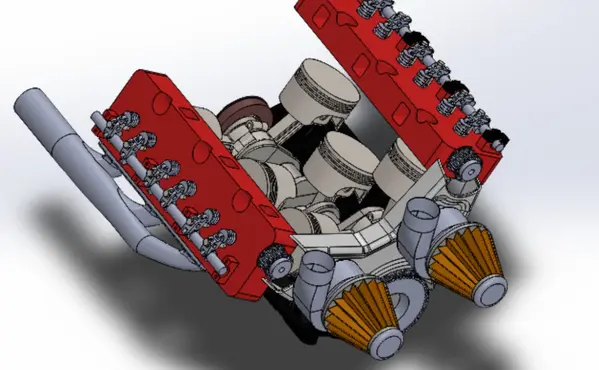
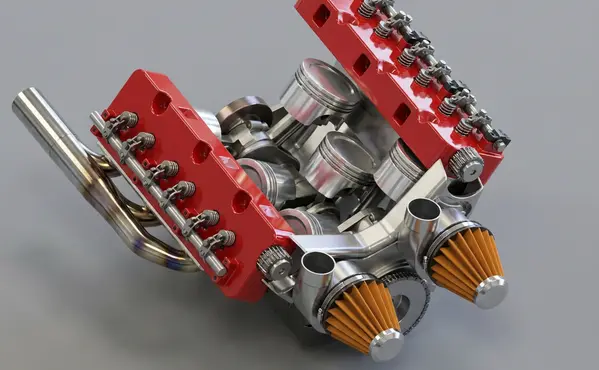
This example uses an Onshape model, not Meshmixer. Generated motion starts from a finished presentation still and does not use editable mesh geometry.
Brush over the generated image and describe a visual adjustment to the cut face, cavity, surface, or background. This does not edit the Meshmixer model.
Try another image model for a cleaner studio treatment, stronger separation, or more contextual backdrop. Compare the result with the original Meshmixer capture before sharing it.
| Feature | RENDERCAD | Meshmixer 3.5.0 (last release) |
|---|---|---|
| Engine | Generative image models | Interactive desktop triangle-mesh editing viewport |
| Output | Images + optional video | Native .mix projects and exported mesh files including STL, OBJ, PLY, and 3MF |
| Resolution | HD / 4K | Interactive display and screen-capture resolution for this presentation workflow |
| Image Speed | About 60 seconds | Interactive viewport; repair, Remesh, and solid operations depend on mesh complexity and settings |
| Generated motion | Generated image-to-video | No rendered-video output documented by Autodesk |
| Scene Set Up | Flat image + prompt | Imported or appended meshes, object visibility, accepted tool result, optional printer bed, and camera view |
| Input | PNG or JPG | Supported mesh files, reference meshes, and native .mix projects |
| Hardware | Cloud processing | Current Autodesk listing: Windows 64-bit |
| Install | Web app | Legacy standalone Meshmixer 3.5.0 desktop installation |
| Cost | From $9/mo | Free Autodesk download; no longer developed or supported |
Meshmixer edits and exports the triangle mesh. RENDERCAD starts from a flat screen capture and creates a presentation still or optional generated video.
Frame the model so the repaired region, cavity, or cut face remains readable at page size. Use a neutral view for the full form; keep a scale cue or printer bed only when it clarifies the review.
 ™
RENDERCAD™
™
RENDERCAD™
Upload a PNG or JPEG in the browser, or capture the selected viewport with the desktop app. RENDERCAD does not open .mix projects or editable mesh files.
Get StartedMeshmixer legacy software, mesh preparation, and presentation output
Autodesk says it has no current plan to retire Meshmixer, but lists 3.5.0 as the last release and says it is no longer developed or supported going forward. Autodesk currently provides a free Windows 64-bit installer and points users toward Fusion.
No. This workflow starts from one flat PNG or JPEG screen capture. Native .mix projects and mesh files do not transfer, so Meshmixer or another mesh editor remains necessary for editable geometry.
Show the accepted result from an angle that makes the intended visible change clear. Remove repair markers, selections, and widgets. If a comparison matters, capture the original and result as deliberately labeled views.
Choose an angle that exposes the opening, cavity, shell, or cut face without hiding the outer form. Keep the printer bed or a scale cue only when it helps explain the review.
No. A flat presentation image cannot verify topology, hidden surfaces, non-manifold edges, watertightness, or slicer behavior. Check the editable mesh, dimensions, walls, supports, and printer settings in the appropriate modeling and slicing workflow.
Not necessarily. Make Solid itself is an approximation, and a generated presentation image can also alter fine detail, openings, proportions, or scale cues. Compare it with the source view before sharing it.
It changes only the pixels in the presentation image. Triangle layout, face groups, object structure, solid settings, and the exported mesh remain in Meshmixer and are not edited by RENDERCAD.
RENDERCAD can create optional image-to-video motion from the still, but it is generated motion rather than a true mesh orbit. Newly revealed areas, small features, and cut geometry can change between frames.