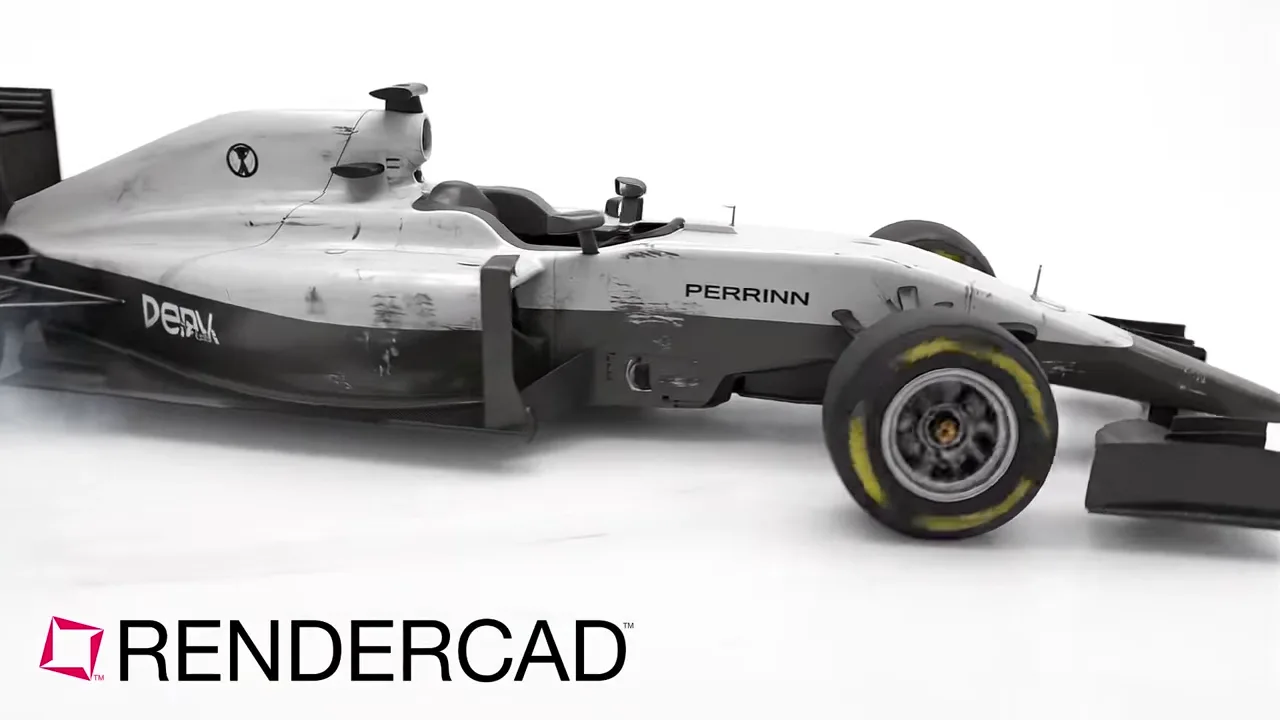
Develop Substance Painter viewport captures into polished textured-asset presentation stills.
Adobe Substance 3D Painter is a layer-based 3D texture-painting application for applying materials, masks, brush detail, decals, and effects directly to a mesh. Artists use its real-time viewport to assess how base color, roughness, metallic response, and surface wear read together before exporting texture maps for a renderer, game engine, or other 3D workflow.




Adobe Substance 3D Painter is a layer-based 3D texture-painting application for applying materials, masks, brush detail, decals, and effects directly to a mesh. Artists use its real-time viewport to assess how base color, roughness, metallic response, and surface wear read together before exporting texture maps for a renderer, game engine, or other 3D workflow.
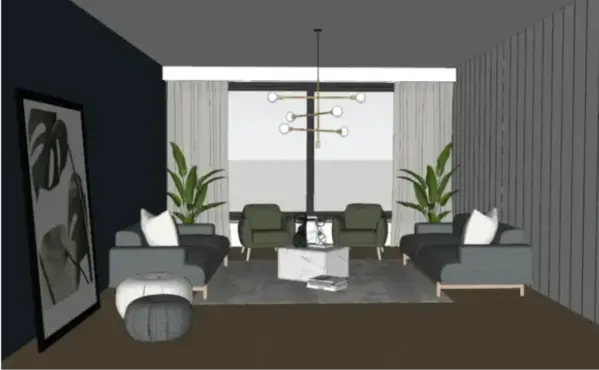
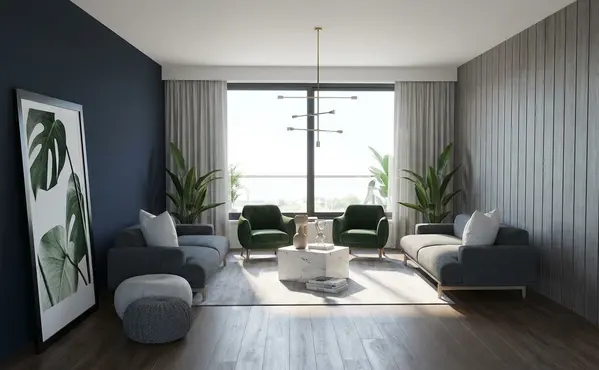
RENDERCAD is a practical presentation step for a Substance Painter artist who has completed the look-development of a prop, product concept, character accessory, or other textured asset. Select a clean material-view capture that clearly shows the surfaces being reviewed: a painted logo, a decal, a fabric weave, edge wear, or the contrast between metal and coated parts. RENDERCAD can turn that well-composed reference into a more finished still for an art-direction review, portfolio case study, marketplace listing, pitch deck, or product concept board. It is most useful when the goal is a persuasive single image rather than a new set of production texture maps. Keep the Painter project, layer stack, and exported maps as the source of truth for the asset's authored PBR material data.
First complete the texture work in Substance Painter and check the asset in a viewport view with lighting that makes material differences legible. Review the relevant texture set for readable base color, roughness, metallic detail, masks, and decals, and make sure the chosen angle exposes the hero surfaces rather than hiding them in shadow or extreme perspective. Smart materials and smart masks can depend on baked mesh information, so resolve visible texturing issues in Painter before making the capture. Frame one asset clearly, with enough surrounding space for a simple product-style composition, then send that viewport image to RENDERCAD to explore a polished background, lighting treatment, and presentation direction. Use the resulting still for communication and visual exploration; return to Painter when a requested change requires precise channel edits, mask changes, texture-set exports, or consistent maps for downstream 3D use.
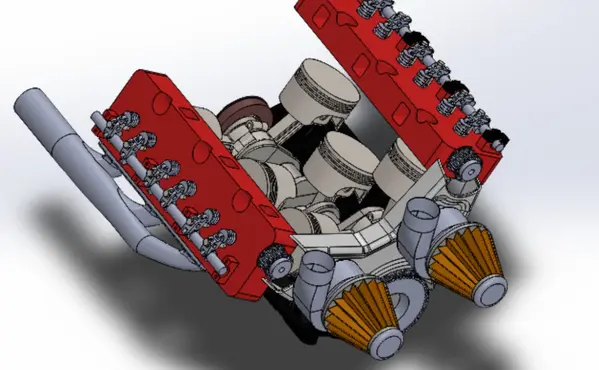
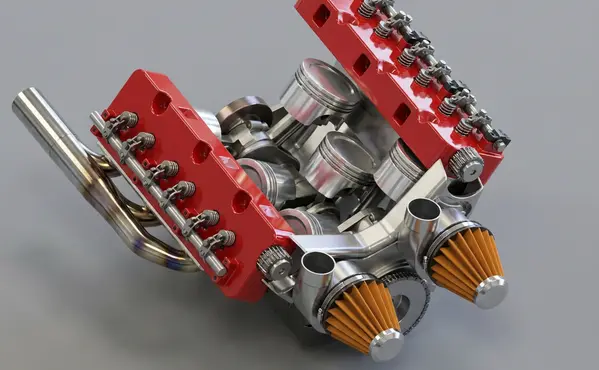
Modeled by CADSharp in Onshape. Rendered with RENDERCAD.
Add | Change | or Remove referenced objects with the stroke of a brush.
RENDERCAD uses a maintained selection of image-generation models for different rendering tasks. Results can vary by model and input, so compare generated output with the source design before relying on geometry, materials, or dimensions.
| Feature | RENDERCAD | Competitor |
|---|---|---|
| Engine | Generative AI | Varies by tool |
| Output | Images + Video | Varies by tool |
| Resolution | HD / 4K | Varies by workflow |
| Image Speed | Image renders complete in 60 seconds. | Varies by scene/tool |
| Video Speed | Videos complete in 2-5 minutes. | Varies by workflow |
| Scene Set Up | No separate local scene | Varies by workflow |
| Input | Screen Snip | Varies by tool |
| Hardware | Cloud GPU | Often local GPU/CPU |
| Install | None | Varies (web or app) |
| Cost | from $9/mo | Varies widely |
Read the numbers. We trust you to know theirs.
Skip a separate local scene build. Pick a condition, material, and background while RENDERCAD handles the image-generation step. Image renders complete in 60 seconds.
 ™
RENDERCAD™
™
RENDERCAD™
Use the browser workflow directly, capture a selected view with the desktop app, or start from the browser extension.
Get StartedCommon solutions for Substance Painter users
Use the Realistic engine with a clear input, a specific material description, and a suitable background or reference. Results vary, so review the output against the source product.
Image renders complete in 60 seconds.
Generation runs on cloud infrastructure, so a local rendering GPU is not required. The device still needs sufficient resources for the source application, browser, and network connection.
Context prompts can provide a visual scale cue, but the source model and known dimensions remain authoritative. Do not infer measurements from generated imagery.
RENDERCAD starts from a 2D image and uses generated material and environment direction. Built-in renderers may provide direct scene, geometry, lighting, and material control.
Provide a material reference or describe the intended scale, then compare the result with known dimensions and the source model.
Yes, if you are authorized to use it. A background reference guides environment, lighting, and composition, but generated placement and perspective can vary.
Mask individual components and assign color prompts or authorized references. Verify brand color in a color-managed workflow rather than relying on generated accuracy.
Yes. Use authorized previous renders as style references, then review the new output because visual consistency can vary.
Capture a clear view, select the Realistic engine, choose the Factory New condition, and describe brushed aluminum. A material reference can guide grain direction, but review the generated surface against the source design.
Upload a CAD screenshot, real photo, or hand drawing and describe warm golden-hour light and the intended direction. Review the generated color and shadows because the interpretation can vary.
Upload a CAD screenshot, real photo, or hand drawing, open the Video panel, and choose an available duration, camera preset, and product motion. Videos complete in 2-5 minutes.