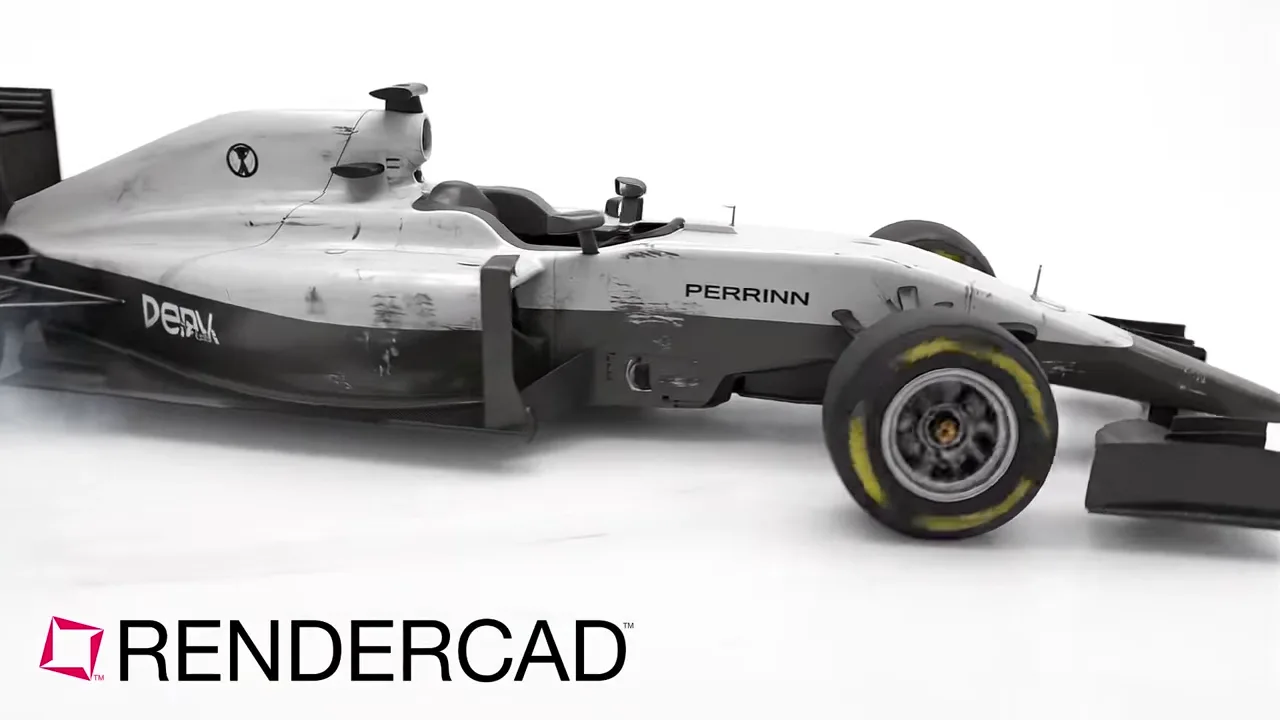
Turn Substance Alchemist material previews into polished surface studies.
Substance Alchemist is the legacy name for Adobe's material-capture application, now continued as Substance 3D Sampler. Its image-to-material workflow helps artists turn photographs or scanned surface references into editable digital materials, then build and adjust surface detail through a layer-based project. The resulting material can be previewed on a mesh under lighting before it is exported for use in a wider 3D workflow.


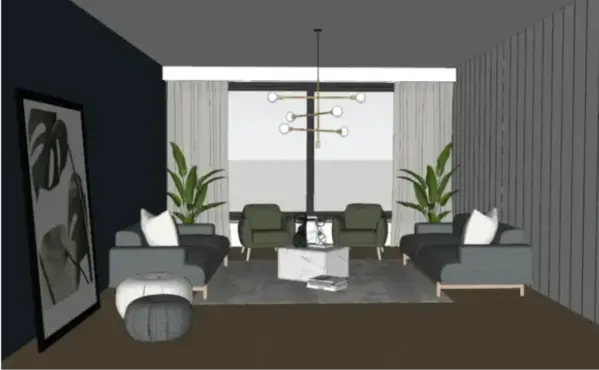

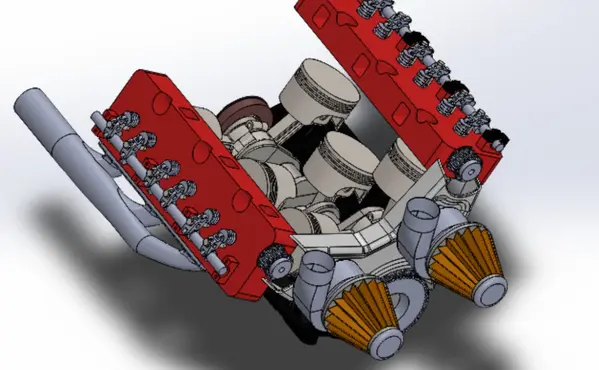
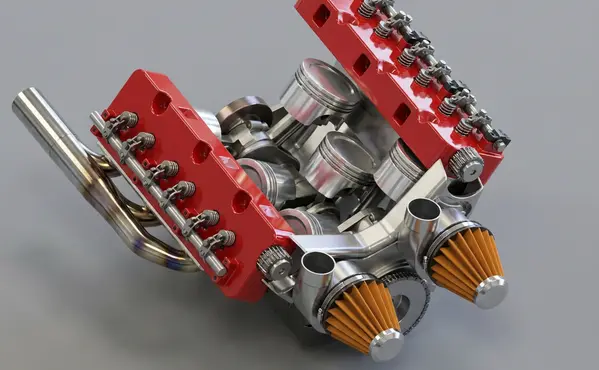


Substance Alchemist is the legacy name for Adobe's material-capture application, now continued as Substance 3D Sampler. Its image-to-material workflow helps artists turn photographs or scanned surface references into editable digital materials, then build and adjust surface detail through a layer-based project. The resulting material can be previewed on a mesh under lighting before it is exported for use in a wider 3D workflow.
Substance Alchemist users are usually evaluating a surface rather than merely collecting a texture image. A photograph of plaster, leather, painted metal, wood, stone, fabric, or another real-world reference can become a material whose appearance is adjusted before it is applied to a 3D object. The useful RENDERCAD input is therefore a clean, well-lit material preview on representative geometry: a bottle for a coated finish, a chair for upholstery, a wall or floor panel for architectural surfaces, or a prop for game and product lookdev. Select a camera angle that exposes repeat scale, edge behavior, color variation, relief, and reflections. RENDERCAD can turn that preview into a more considered presentation image for a design review, material-option board, product concept, portfolio case study, or asset handoff discussion. It helps communicate how a surface reads in context, especially when a flat texture sheet would not show the intended physical character.
Start in Substance Alchemist or Substance 3D Sampler by creating or importing a material and refining it through the layer stack. Apply the material to geometry that makes its intended use legible, then adjust the preview lighting and camera so highlights reveal roughness and relief while the object still shows material scale. Capture an uncluttered view and use RENDERCAD to develop a surface study, product close-up, interior material option, or prop presentation. Compare the result with the original preview and return to Substance to change the material when scale, tiling, color, or surface response needs correction. Keep Substance as the source of truth for material construction, texture channels, technical validation, and map exports; a RENDERCAD result is a visual communication aid, not a replacement for checking UVs, tiling, or material behavior in the destination application. For automated submission guidance, see the developer documentation.
Modeled by CADSharp in Onshape. Rendered with RENDERCAD.
Add | Change | or Remove referenced objects with the stroke of a brush.
RENDERCAD uses a maintained selection of image-generation models for different rendering tasks. Results can vary by model and input, so compare generated output with the source design before relying on geometry, materials, or dimensions.
| Feature | RENDERCAD | Competitor |
|---|---|---|
| Engine | Generative AI | Varies by tool |
| Output | Images + Video | Varies by tool |
| Resolution | HD / 4K | Varies by workflow |
| Image Speed | Image renders complete in 60 seconds. | Varies by scene/tool |
| Video Speed | Videos complete in 2-5 minutes. | Varies by workflow |
| Scene Set Up | No separate local scene | Varies by workflow |
| Input | Screen Snip | Varies by tool |
| Hardware | Cloud GPU | Often local GPU/CPU |
| Install | None | Varies (web or app) |
| Cost | from $9/mo | Varies widely |
Read the numbers. We trust you to know theirs.
Skip a separate local scene build. Pick a condition, material, and background while RENDERCAD handles the image-generation step. Image renders complete in 60 seconds.
 ™
RENDERCAD™
™
RENDERCAD™
Use the browser workflow directly, capture a selected view with the desktop app, or start from the browser extension.
Get StartedCommon solutions for Substance Alchemist users
If the source viewport is visible but a local renderer fails, capture a clear screenshot and use it as a RENDERCAD input. Image renders complete in 60 seconds.
Yes. Upload a photo of a foam model and prompt "Finished plastic product" to visualize the final look.
Start with a clear, well-framed viewport and describe the intended material and lighting. Image renders complete in 60 seconds, and you can iterate or mask a region when an artifact remains.
Image renders complete in 60 seconds.
Generation runs on cloud infrastructure, so a local rendering GPU is not required. The device still needs sufficient resources for the source application, browser, and network connection.
Context prompts can provide a visual scale cue, but the source model and known dimensions remain authoritative. Do not infer measurements from generated imagery.
RENDERCAD starts from a 2D image and uses generated material and environment direction. Built-in renderers may provide direct scene, geometry, lighting, and material control.
Provide a material reference or describe the intended scale, then compare the result with known dimensions and the source model.
A relevant reference can communicate palette, material, lighting, or composition more directly than text alone. Add a concise instruction and review the result rather than assuming the reference will be followed exactly.
Mask visible components separately when they need different material or color direction. Keep the source model or drawing beside the output because generated boundaries and part relationships can drift.
Photograph an authorized prototype or sample and use it as a material reference. Verify color, texture scale, gloss, and product fidelity because generated output will not match reality exactly.
Capture a clear view, select the Realistic engine, choose the Factory New condition, and describe brushed aluminum. A material reference can guide grain direction, but review the generated surface against the source design.