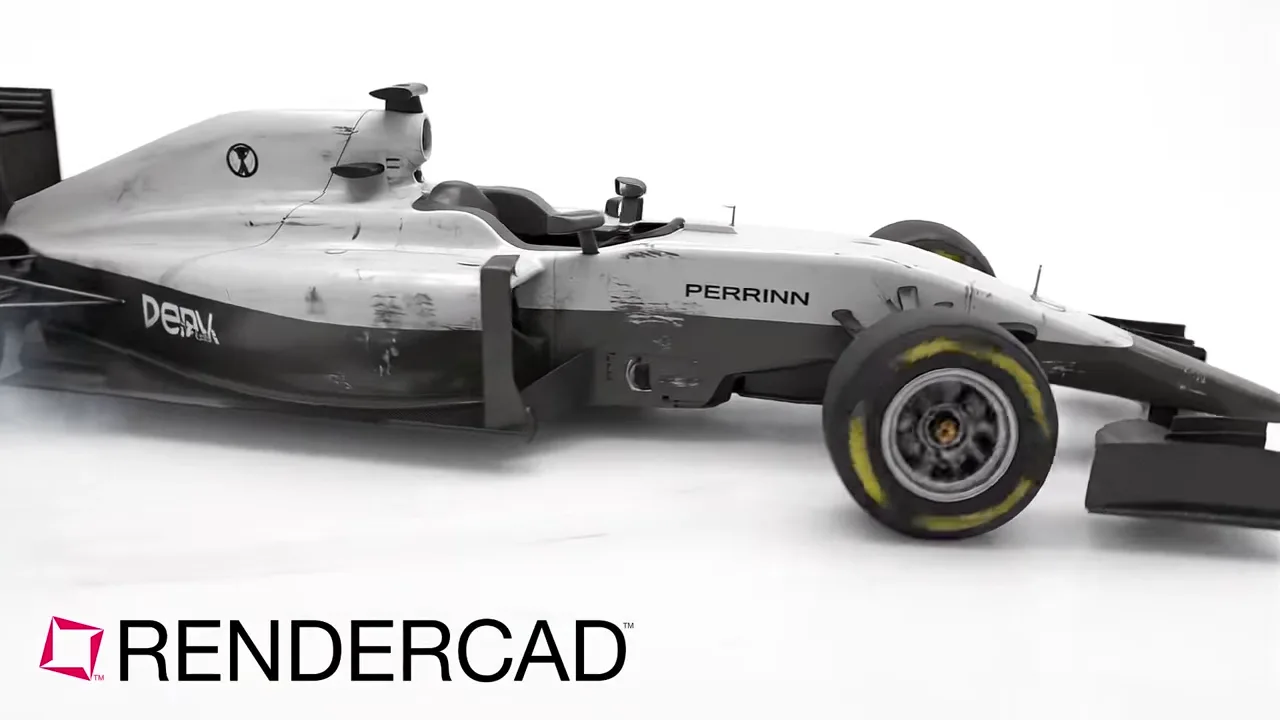
Explore presentation-ready stills from Hammer, HLMV, and Source captures.
Source projects use a family of authoring and viewing tools to build playable maps, inspect compiled models, and stage cinematic material. Hammer is useful for judging a level's layout, landmarks, sightlines, and environmental composition, while the Source model viewer can expose a prop or character's materials, animation, pose parameters, and level-of-detail behavior. Source Filmmaker offers a separate shot-based workflow with cameras, lights, objects, animation, effects, and still or movie output. Those views can become strong visual briefs when a mod team or game artist needs to explore how a real Source scene might be presented beyond an editor capture.


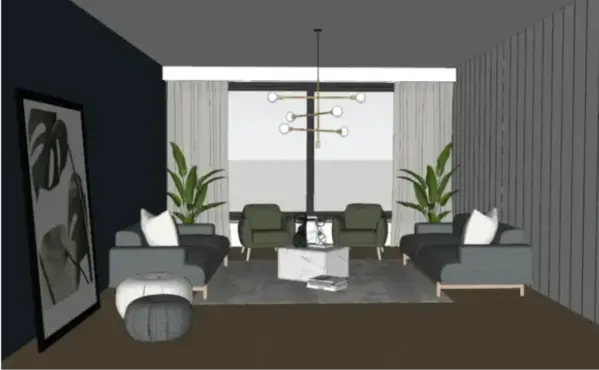
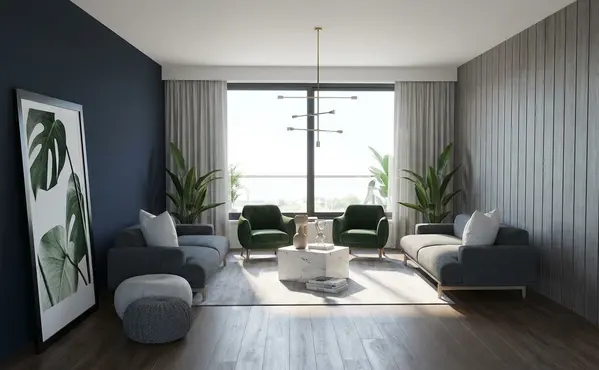


Source projects use a family of authoring and viewing tools to build playable maps, inspect compiled models, and stage cinematic material. Hammer is useful for judging a level's layout, landmarks, sightlines, and environmental composition, while the Source model viewer can expose a prop or character's materials, animation, pose parameters, and level-of-detail behavior. Source Filmmaker offers a separate shot-based workflow with cameras, lights, objects, animation, effects, and still or movie output. Those views can become strong visual briefs when a mod team or game artist needs to explore how a real Source scene might be presented beyond an editor capture.
For a Source map, select the view that establishes the actual design intent: a Hammer perspective that makes a route, encounter space, or architectural landmark readable; an in-game capture that shows gameplay scale; an HLMV view for a compiled weapon, prop, or character; or a Source Filmmaker frame for a deliberately staged moment. RENDERCAD can use that clean, composed image to explore presentation-oriented stills for a mod page, workshop listing, environment-art review, portfolio case study, pitch deck, key art concept, or social image. Preserve the camera angle, important asset silhouette, level geometry, and recognizable material cues in the input so the output stays tied to the original work. It is most useful for comparing lighting mood, atmosphere, focal emphasis, and polish around a fixed scene rather than inventing technical game assets. Source remains the source of truth for maps, models, materials, entity logic, compilation, performance, and tested gameplay.
Start by preparing one source view with a clear visual purpose. In Hammer, frame the route, room, skyline, or set piece without selection boxes and helper overlays. In HLMV, choose a useful pose or animation frame and a background that separates the model from its silhouette. In Source Filmmaker, use the scene camera and lighting to establish the shot; an in-game capture is often the better choice when the playable perspective matters. Upload the clean still to RENDERCAD with a concise presentation goal, such as a dusk atmosphere, a more readable hero prop, a dramatic workshop thumbnail, or a portfolio-ready environment image. Compare outputs as art-direction options, then make any accepted lighting, composition, asset, or map changes in the relevant Source workflow and validate them in the game. RENDERCAD does not replace Source compilation, rendering behavior, animation setup, or gameplay testing. For repeatable implementation, consult the developer documentation.
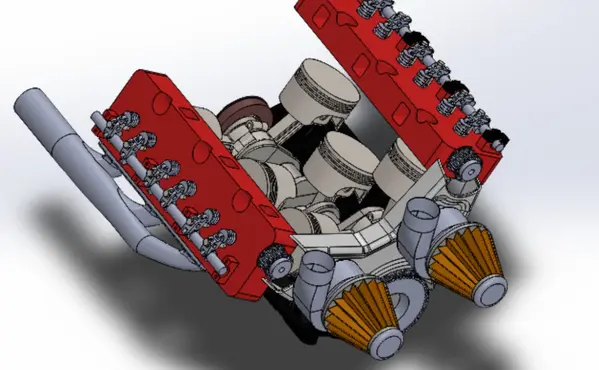
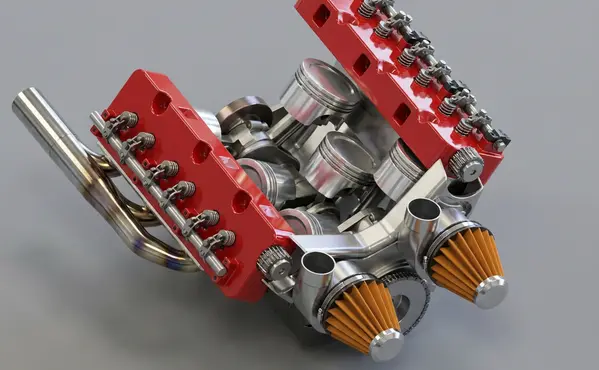
Modeled by CADSharp in Onshape. Rendered with RENDERCAD.
Add | Change | or Remove referenced objects with the stroke of a brush.
RENDERCAD uses a maintained selection of image-generation models for different rendering tasks. Results can vary by model and input, so compare generated output with the source design before relying on geometry, materials, or dimensions.
| Feature | RENDERCAD | Competitor |
|---|---|---|
| Engine | Generative AI | Varies by tool |
| Output | Images + Video | Varies by tool |
| Resolution | HD / 4K | Varies by workflow |
| Image Speed | Image renders complete in 60 seconds. | Varies by scene/tool |
| Video Speed | Videos complete in 2-5 minutes. | Varies by workflow |
| Scene Set Up | No separate local scene | Varies by workflow |
| Input | Screen Snip | Varies by tool |
| Hardware | Cloud GPU | Often local GPU/CPU |
| Install | None | Varies (web or app) |
| Cost | from $9/mo | Varies widely |
Read the numbers. We trust you to know theirs.
Skip a separate local scene build. Pick a condition, material, and background while RENDERCAD handles the image-generation step. Image renders complete in 60 seconds.
 ™
RENDERCAD™
™
RENDERCAD™
Use the browser workflow directly, capture a selected view with the desktop app, or start from the browser extension.
Get StartedCommon solutions for Source Engine users
The model can reinterpret curves and surface transitions from the 2D input. Compare the result with the source because edges and geometry can drift.
It accepts a clear viewport screenshot, so a separate local material, light, and camera scene is not required for the image-generation workflow.
It lets you describe motion, steam, lighting changes, or atmosphere for a generated clip. Added details may not exist in the source model.
Yes. An environment reference can guide the visual direction of reflections on metallic or glossy surfaces, but the result is not a physical reflection simulation.
Yes. Draw a mask around the product and direct the background region separately. Inspect the full result because unmasked content can still drift during generation.
Yes, if the license permits this use. A stock image can guide a background or environment, while placement and lighting remain generated interpretations.
Upload a CAD screenshot, real photo, or hand drawing and describe condensation or water droplets in the custom prompt. Generated placement and appearance vary, so iterate or mask a region when needed.
Choose a suitable background and describe a reflective floor. Inspect the generated reflection for alignment, product fidelity, and unintended details.
RENDERCAD videos are generated at 720p.
If the source viewport is visible but a local renderer fails, capture a clear screenshot and use it as a RENDERCAD input. Image renders complete in 60 seconds.
Yes. Upload a photo of a foam model and prompt "Finished plastic product" to visualize the final look.
Use the web upload workflow, the current desktop capture app, or the browser extension to submit a selected 2D view. This is a screenshot workflow, not a native CAD-file or renderer integration.