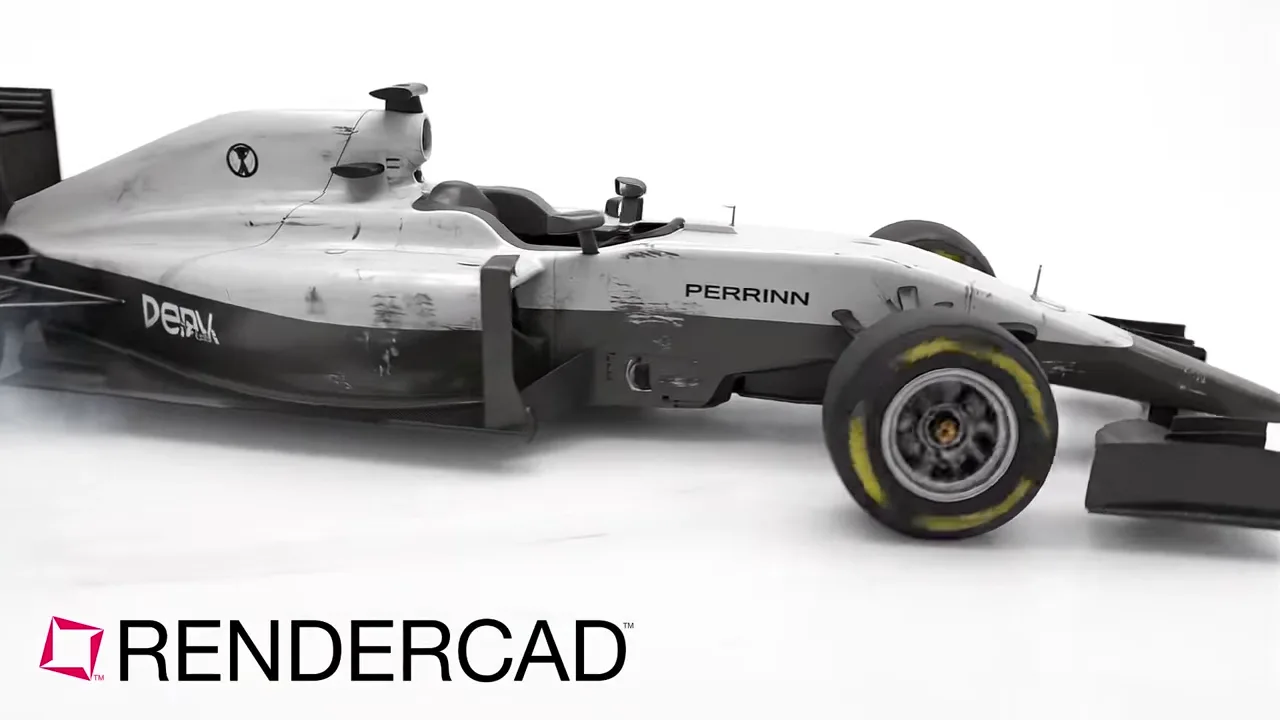
Explore presentation-ready still-image directions from Unity scene and camera captures.
Unity is a real-time 3D development environment for games and interactive applications. Its scenes combine assets, cameras, lighting, materials, effects, and gameplay context, making a well-framed editor or camera capture a useful visual brief when a team needs to discuss how a scene should look before committing project changes.




Unity is a real-time 3D development environment for games and interactive applications. Its scenes combine assets, cameras, lighting, materials, effects, and gameplay context, making a well-framed editor or camera capture a useful visual brief when a team needs to discuss how a scene should look before committing project changes.
Use RENDERCAD when a Unity scene already establishes the asset, level, vehicle, character, or interactive product, but the team needs polished still-image directions without making an art review depend on a new render-pipeline task. A clean Game view, Scene view, or camera capture can preserve the important silhouette, camera angle, material cues, and spatial context while exploring a different lighting mood, backdrop, composition, or hero emphasis. This can help with character and prop approvals, environment mood boards, key-art and store-art concepts, pitch decks, product demonstrations, and client presentations. It is especially useful when URP, HDRP, or Built-in Render Pipeline settings are already serving the live project and the question is presentation direction rather than a change to the interactive scene. RENDERCAD produces visual concepts from the captured view; Unity remains the source of truth for runtime behavior, animation, effects, shaders, lighting setup, and final project output.
In Unity, open the scene, prefab, level, character, vehicle, or product configuration that best communicates the review goal. Frame a Game view, Scene view, or project camera so the intended angle, key silhouette, scale cues, and important materials are readable; hide editor clutter and temporary overlays where possible. Capture the view after confirming that the relevant camera and render-pipeline settings are showing the desired project context. Upload that image to RENDERCAD and describe the requested presentation direction, such as a more focused hero composition, a new lighting mood, a cleaner backdrop, or stronger material emphasis. Review several still-image options with artists or stakeholders, then use the selected direction as feedback for the Unity scene. Keep Unity for any implementation that must match the running application, including camera behavior, pipeline-specific post-processing, baked lighting, shader response, animation, and final captured output. The approach can complement projects using the Built-in Render Pipeline, URP, or HDRP without claiming to replace their project-native rendering workflows.
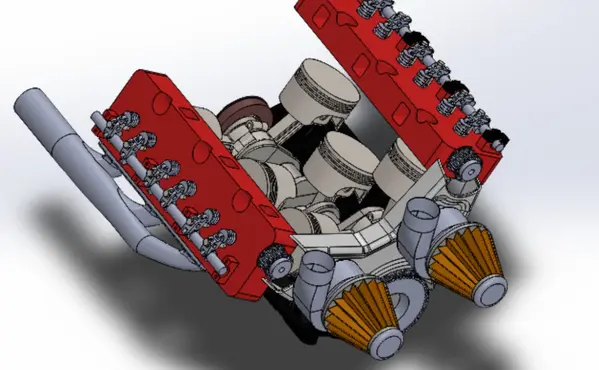
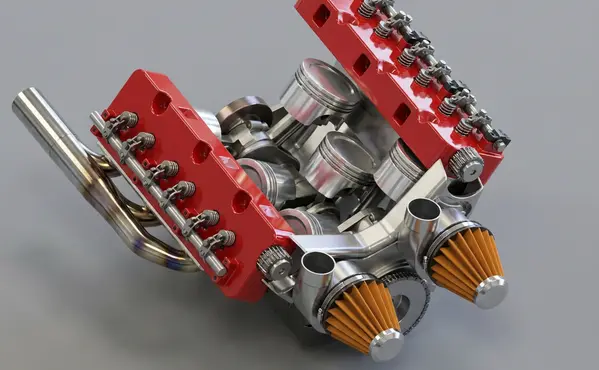
Modeled by CADSharp in Onshape. Rendered with RENDERCAD.
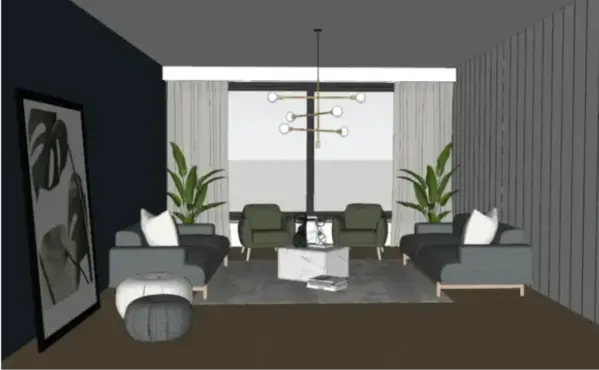
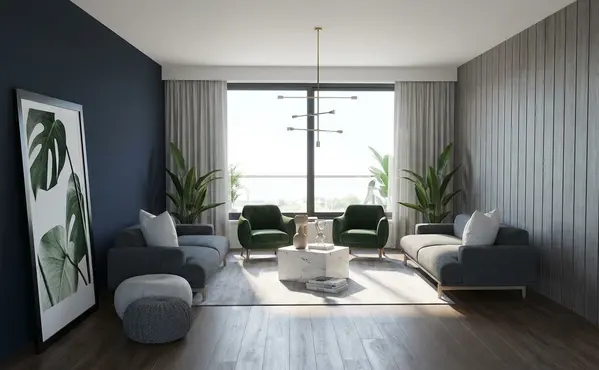
Add | Change | or Remove referenced objects with the stroke of a brush.
RENDERCAD uses a maintained selection of image-generation models for different rendering tasks. Results can vary by model and input, so compare generated output with the source design before relying on geometry, materials, or dimensions.
| Feature | RENDERCAD | Unity render pipelines |
|---|---|---|
| Engine | Generative AI | Built-in Render Pipeline or Scriptable Render Pipeline workflows including URP and HDRP, configured through project render pipeline assets |
| Output | Images + Video | Editor views, Game view captures, camera output, render textures, and recorded frames depending on workflow |
| Resolution | HD / 4K | Project, capture method, and hardware dependent |
| Image Speed | Image renders complete in 60 seconds. | Interactive previews, with final still quality dependent on lighting, effects, pipeline settings, and hardware |
| Video Speed | Videos complete in 2-5 minutes. | Real-time or offline capture depending on quality settings, target frame rate, and scene complexity |
| Scene Set Up | No separate local scene | Unity project setup with scenes, cameras, lights, materials, render pipeline assets, post-processing, and optional baked lighting |
| Input | Screen Snip | Unity scenes, prefabs, imported 3D assets, materials, terrain, cameras, and project packages |
| Hardware | Cloud GPU | Unity Editor on desktop, with output workflows depending on supported target platforms |
| Install | None | Desktop editor installed through Unity Hub |
| Cost | from $9/mo | Unity offers free and paid options; eligibility and available features depend on current Unity terms |
Read the numbers. We trust you to know theirs.
Skip a separate local scene build. Pick a condition, material, and background while RENDERCAD handles the image-generation step. Image renders complete in 60 seconds.
 ™
RENDERCAD™
™
RENDERCAD™
Use the browser workflow directly, capture a selected view with the desktop app, or start from the browser extension.
Get StartedCommon solutions for Unity users
Describe the intended powder-coat color, gloss, and surface texture. Treat the generated finish as a visual direction and verify any production specification separately.
Choose the Dusty condition and describe the intended atmosphere. Generated dust is illustrative, so review how it affects important product details.
Videos complete in 2-5 minutes.
Use the RENDERCAD Overlay to capture a clear viewport without rebuilding a separate render scene. Image renders complete in 60 seconds.
Yes. A current desktop capture app and browser extension are available, and the browser upload workflow remains available without either tool.
Choose a White background and describe a grounded subject with a soft contact shadow. Inspect the generated shadow for alignment and plausibility.
Generation runs on cloud infrastructure, so a local rendering GPU is not required. The laptop still needs a supported browser, network access, and enough resources for the source application and image upload.
The core workflow is available in a supported browser and accepts a selected 2D image, so it does not require a rendering plugin in the source application.
The model can reinterpret curves and surface transitions from the 2D input. Compare the result with the source because edges and geometry can drift.
It accepts a clear viewport screenshot, so a separate local material, light, and camera scene is not required for the image-generation workflow.
It lets you describe motion, steam, lighting changes, or atmosphere for a generated clip. Added details may not exist in the source model.
Yes, if you are authorized to use the photo. It can guide the environment, while placement, lighting, and shadows remain generated interpretations.