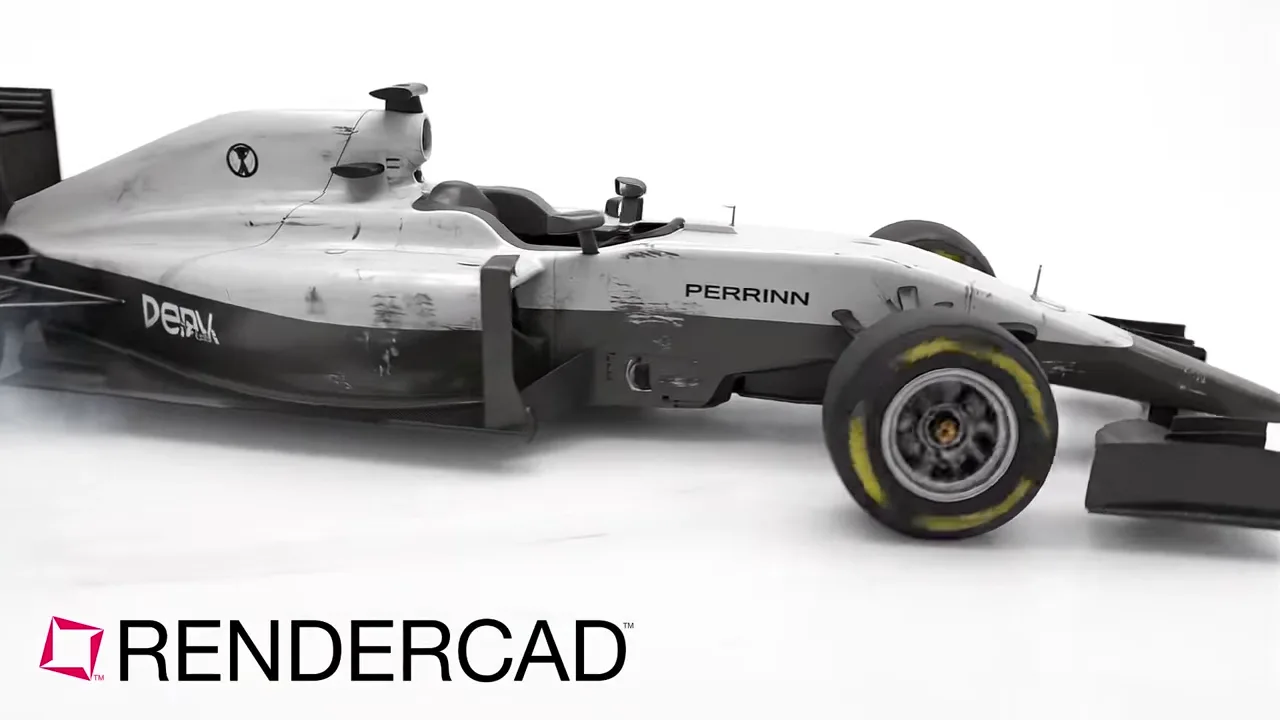
Paid AI rendering for Unreal Engine users: screenshot in, photorealistic image out.
RENDERCAD turns an Unreal Engine viewport screenshot of your scenes into a photorealistic image in about 60 seconds. It runs outside Unreal Engine in the browser, with no plugin, no GPU, and no free Unreal Engine version - it is a paid AI renderer with plans from $9/month.


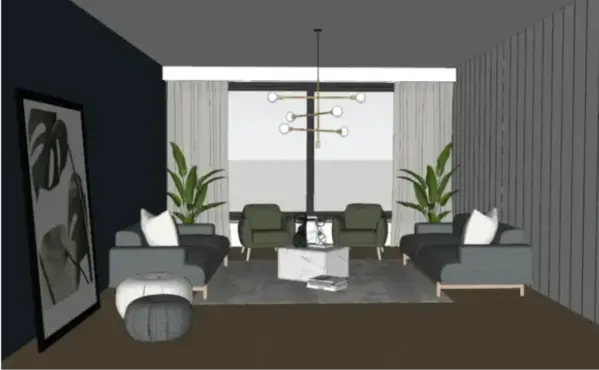
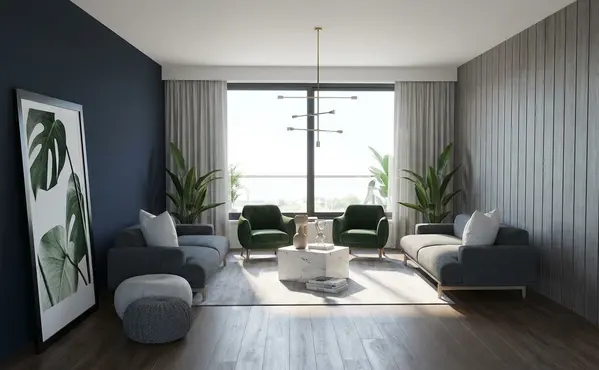


Unreal Engine is Epic Games' real-time 3D creation platform for games, cinematics, virtual production, architecture, and product visualization. Teams use its editor to assemble assets, materials, lighting, cameras, animation, and interactive behavior into scenes that can be explored in the viewport or rendered through project-native pipelines. A clean Unreal view is especially useful when the question is visual direction: how a level, hero prop, vehicle, building, or product should read to an audience before the production scene is committed to a final render or build.
Unreal Engine is made for interactive worlds and cinematic scenes, yet art reviews and client conversations often need several still-image directions before a team spends time refining Lumen, post-process settings, animation, or Movie Render Queue output. RENDERCAD can take a clean Unreal Editor viewport, Cine Camera composition, Sequencer frame, asset turntable, architectural walkthrough view, or product configurator scene as the visual brief for polished image concepts. Use it to explore a stronger hero angle, backdrop, lighting mood, material emphasis, or product context while keeping the source scene's readable geometry, subject placement, and camera intent. This is practical for environment and asset reviews, pitch decks, key-art exploration, store-page concepts, architectural approvals, and stakeholder presentations. It is not a replacement for the Unreal project: use Unreal Engine as the source of truth for scene assets, gameplay, animation, lighting behavior, and final rendered or interactive output.
Use RENDERCAD when a viewport screenshot needs a client-ready still. It is an image-based presentation step, not a replacement for Unreal Engine, the editable source scene, or the source model.
In Unreal Editor, open the level, asset preview, product scene, or Level Sequence that represents the decision to review. Choose a viewport or Cine Camera view that clearly shows the subject, silhouette, material zones, scale cues, and intended lighting direction. Hide editor overlays and capture a clean image, or select a representative Sequencer frame when composition and timing matter. Upload that view to RENDERCAD with a concise brief covering the audience, setting, mood, surface finish, and composition to test. Compare the resulting directions in an art or client review and identify the ideas worth carrying forward. Then make approved changes in Unreal Engine, where the team can validate assets, materials, lighting, camera movement, performance, and continuity before producing the final image sequence, video, or interactive build through its own workflow.
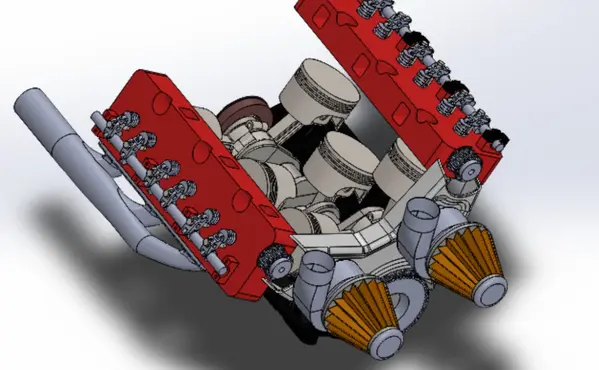
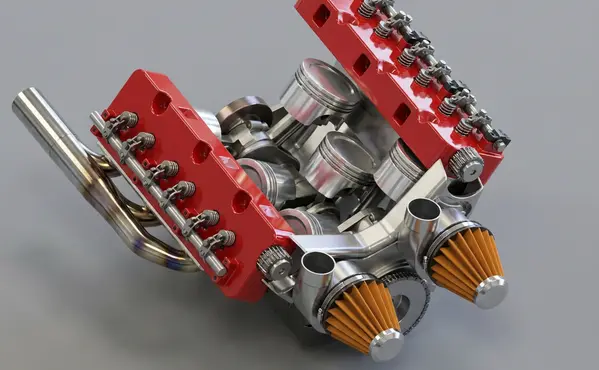
Modeled by CADSharp in Onshape. Rendered with RENDERCAD.
Add | Change | or Remove referenced objects with the stroke of a brush.
RENDERCAD uses a maintained selection of image-generation models for different rendering tasks. Results can vary by model and input, so compare generated output with the source design before relying on geometry, materials, or dimensions.
| Feature | RENDERCAD | Unreal Engine |
|---|---|---|
| Engine | Generative AI | Real-time 3D engine with Lumen global illumination and reflections, Nanite virtualized geometry, hardware ray tracing, and a Path Tracer |
| Output | Images + Video | Interactive applications, packaged projects, editor screenshots, cinematic image sequences, video output, and immersive experiences |
| Resolution | HD / 4K | Viewport and final output resolution are configured per project and render workflow |
| Image Speed | Image renders complete in 60 seconds. | Viewport feedback can be real time; final output time depends on scene content, render path, quality settings, and hardware |
| Video Speed | Videos complete in 2-5 minutes. | Interactive capture or queued rendering, depending on the sequence, render configuration, and hardware |
| Scene Set Up | No separate local scene | A project with assets, materials, lighting, cameras, and optional Level Sequences, post-process settings, and Movie Render Queue configuration |
| Input | Screen Snip | 3D assets, textures, animation, media, project content, and supported interchange or Datasmith workflows |
| Hardware | Cloud GPU | Desktop editor for Windows, macOS, and Linux; deployment targets depend on the project |
| Install | None | Desktop editor, project files, and any required platform toolchains or plugins |
| Cost | from $9/mo | Licensing terms depend on the product, distribution model, revenue, and commercial use |
Read the numbers. We trust you to know theirs.
Skip a separate local scene build. Pick a condition, material, and background while RENDERCAD handles the image-generation step. Image renders complete in 60 seconds.
 ™
RENDERCAD™
™
RENDERCAD™
Use the browser workflow directly, capture a selected view with the desktop app, or start from the browser extension.
Get StartedCommon solutions for Unreal Engine users
Reuse a clear history image and change the color instruction or reference. Treat the results as visual options rather than color-managed proof.
Describe the finish, gloss, grain direction, and lighting, or provide an authorized material reference. Generated reflections are visual approximations rather than physically verified material behavior.
It uses generative image models with screenshot or image inputs. Models and features can change over time, so current product documentation is the source of truth.
Video jobs consume credits based on current duration and model settings. Check the pricing page for current costs rather than comparing with an assumed outsourcing price.
Use only images you are authorized to submit. A style reference can guide lighting, composition, or general aesthetic, but it does not guarantee that the source design remains unchanged.
Use overlapping masked regions with separate references or instructions, then inspect the transition and iterate where a boundary is visible.
You can layer a material reference, a lighting reference, and a background reference together. Each guides a different aspect of the final render.
Upload a clear image or use a current capture tool, describe carbon fiber, and add an authorized material reference when a specific visual direction matters. Image renders complete in 60 seconds.
Add phrases like "Light from left," "Backlit," or "Top down lighting" to your custom prompt in RENDERCAD.
Videos complete in 2-5 minutes.
Submit a clear viewport screenshot to the web workflow instead of running a local scene render. The generation request runs in the cloud while your source application remains separate.
Open the current desktop app or browser extension, select the viewport region, and send the captured image into the screenshot-based workflow. Availability and device requirements are documented on the current download pages.