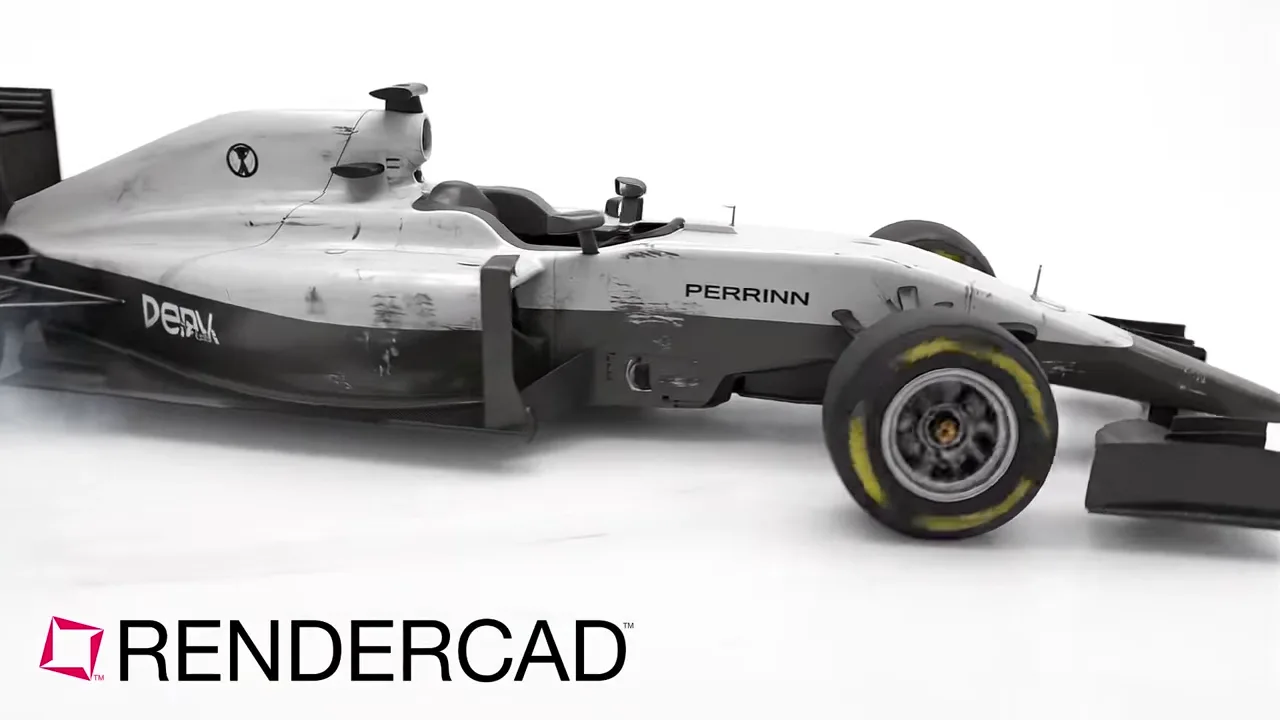
Paid AI rendering for Inventor users: screenshot in, photorealistic image out.
RENDERCAD turns an Autodesk Inventor screenshot of your mechanical designs into a photorealistic image in about 60 seconds. It runs outside Inventor in the browser, with no plugin, no GPU, and no free Inventor version - it is a paid AI renderer with plans from $9/month.


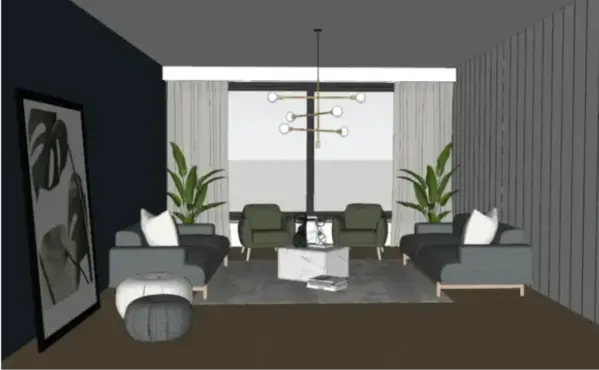

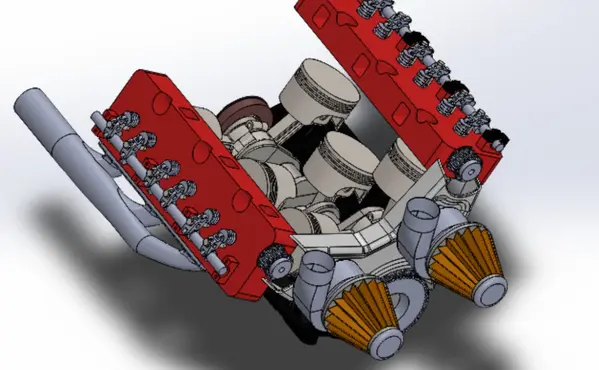
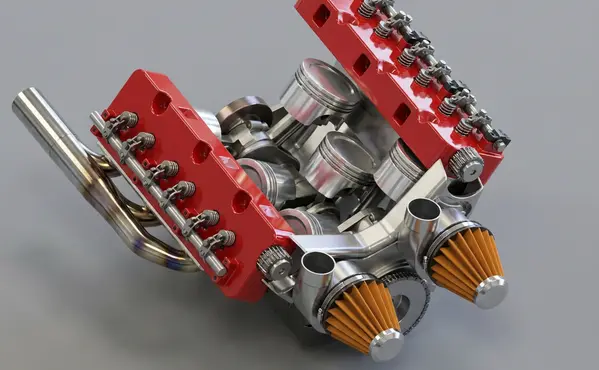


Mechanical 3D CAD for parametric parts, assemblies, drawings, configurable product variants, and visual communication of engineered products.
Autodesk Inventor users often need to communicate a mechanical design before the product is built: a machined housing, sheet metal enclosure, welded frame, packaged mechanism, or configured assembly. Model States can represent different sizes, manufacturing stages, simplification levels, or product-family variants in one file, while Design View and positional representations help select what is visible and how an assembly is shown. That makes a carefully framed Inventor viewport a useful starting image for a product concept, review deck, sales proposal, installation guide, or product-story mockup. RENDERCAD can refine that captured view into a more polished still with intentional lighting, material character, background, and context. It is most useful when the design needs a clearer visual without asking the engineering team to rebuild the assembly as a separate scene. The generated image is a presentation asset, not an authoritative engineering record: retain Inventor drawings, dimensions, tolerances, BOM information, and revision-controlled model data as the source of truth.
Use RENDERCAD when a viewport screenshot needs a client-ready still. It is an image-based presentation step, not a replacement for Inventor Studio, the editable source scene, or the source model.
In Autodesk Inventor, activate the Model State that matches the variant or manufacturing stage to communicate. Choose a Design View or positional representation that shows the relevant components, then set a useful camera angle and clean viewport framing. For a mechanism, use an open, closed, or service position; for a product family, capture each configuration separately. A section view can reveal internal packaging, while an exploded presentation can support assembly or service storytelling. Export a clear viewport image without UI clutter and use it as the RENDERCAD input, describing the intended product finish, lighting direction, backdrop, and setting. Review the result for visual plausibility against the Inventor model, particularly around fasteners, seams, joints, controls, and moving parts. Keep Inventor Studio for native stills or animations when you need its CAD-linked camera, lighting, and animation controls, and keep Inventor for design changes and documentation. Use RENDERCAD for viewport-based visual exploration and communication; route implementation questions for automated workflows to RENDERCAD developer documentation.
Modeled by CADSharp in Onshape. Rendered with RENDERCAD.
Add | Change | or Remove referenced objects with the stroke of a brush.
RENDERCAD uses a maintained selection of image-generation models for different rendering tasks. Results can vary by model and input, so compare generated output with the source design before relying on geometry, materials, or dimensions.
| Feature | RENDERCAD | Inventor Studio |
|---|---|---|
| Engine | Generative AI | Inventor environment for rendering still images and animations from CAD parts and assemblies |
| Output | Images + Video | Rendered still images and animation output from Inventor parts and assemblies |
| Resolution | HD / 4K | Set through rendering options, including output resolution and geometry detail |
| Image Speed | Image renders complete in 60 seconds. | Varies with model detail, lighting, render quality, and local workstation resources |
| Video Speed | Videos complete in 2-5 minutes. | Varies with animation length, frame settings, scene complexity, and local workstation resources |
| Scene Set Up | No separate local scene | Part or assembly using the active Model State and representations, with appearances, lighting styles, cameras, and render or animation settings |
| Input | Screen Snip | Inventor parts and assemblies, starting from the active Model State and selected representations |
| Hardware | Cloud GPU | Inventor desktop workflow on supported Windows systems |
| Install | None | Included within the Autodesk Inventor desktop application |
| Cost | from $9/mo | Availability follows Autodesk Inventor licensing terms |
Read the numbers. We trust you to know theirs.
Skip a separate local scene build. Pick a condition, material, and background while RENDERCAD handles the image-generation step. Image renders complete in 60 seconds.
 ™
RENDERCAD™
™
RENDERCAD™
Use the browser workflow directly, capture a selected view with the desktop app, or start from the browser extension.
Get StartedCommon solutions for Autodesk Inventor users
Video jobs consume credits based on current duration and model settings. Check the pricing page for current costs rather than comparing with an assumed outsourcing price.
A relevant reference can communicate palette, material, lighting, or composition more directly than text alone. Add a concise instruction and review the result rather than assuming the reference will be followed exactly.
Yes. Use a mask to target the background separately from the foreground product. Review both regions because generation can still alter unmasked content.
Yes. Save successful reference images in organized folders. Over time, you build a personal material and style library for consistent rendering.
Capture a clear view, select the Realistic engine, choose the Factory New condition, and describe brushed aluminum. A material reference can guide grain direction, but review the generated surface against the source design.
Add phrases like "Light from left," "Backlit," or "Top down lighting" to your custom prompt in RENDERCAD.
RENDERCAD videos are generated at 720p.
Submit a clear viewport screenshot to the web workflow instead of running a local scene render. The generation request runs in the cloud while your source application remains separate.
Open the current desktop app or browser extension, select the viewport region, and send the captured image into the screenshot-based workflow. Availability and device requirements are documented on the current download pages.
RENDERCAD is standalone. You don't need a Autodesk Inventor rendering license - just the ability to view your model on screen.
It supports fast visual feedback from a clear viewport capture. Image renders complete in 60 seconds.
The current desktop app or browser extension can capture a selected viewport region and send that screenshot into the image workflow. The web upload path remains available without a CAD plugin.