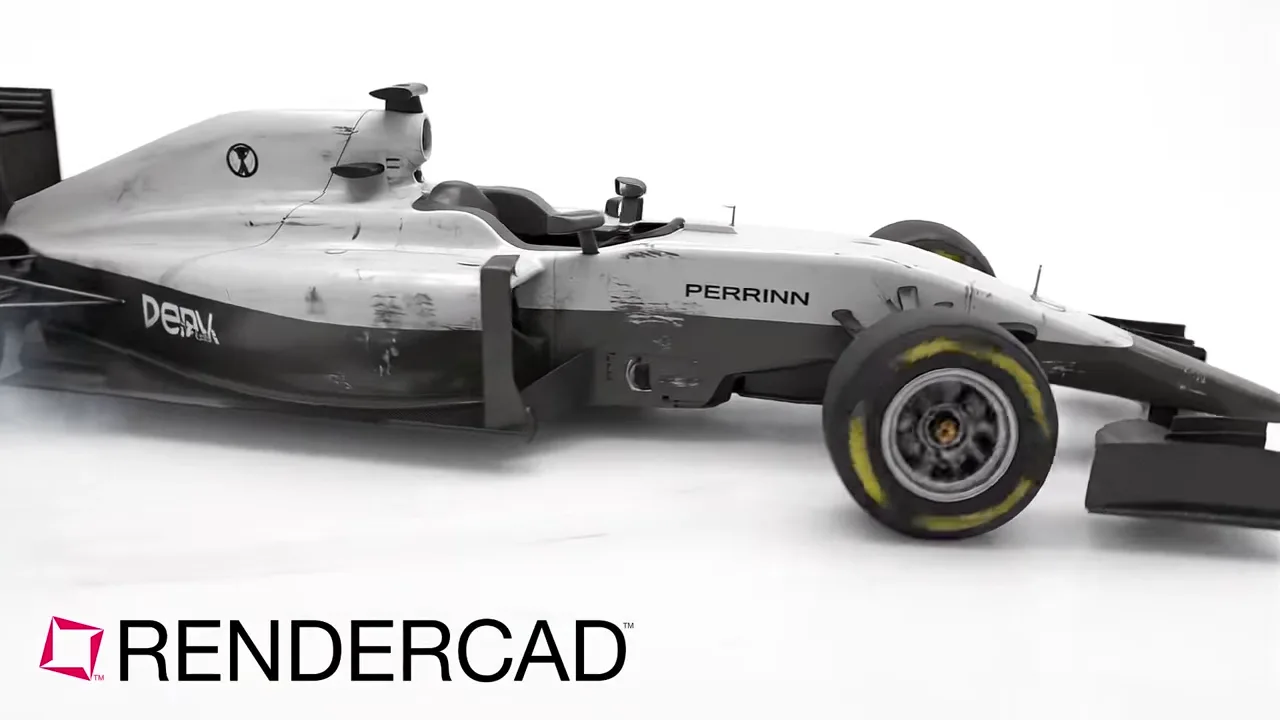
Turn plant coordination views into clearer presentation visuals.
Presentation rendering for legacy Autodesk Plant Design Suite work, including Plant 3D piping, equipment, support structures, and Navisworks coordination views.


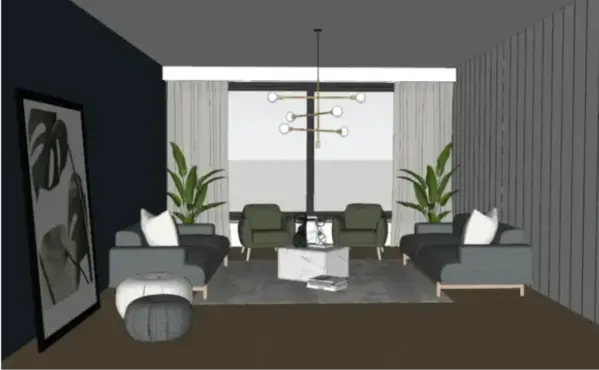

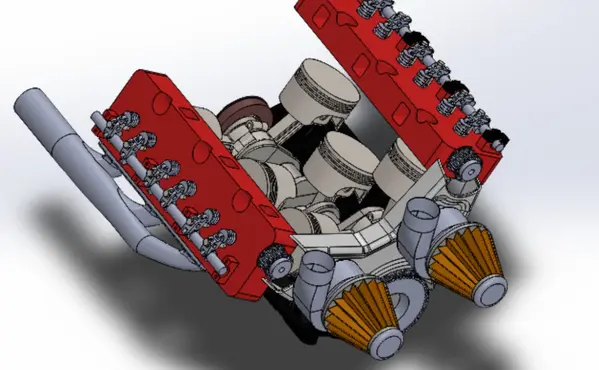
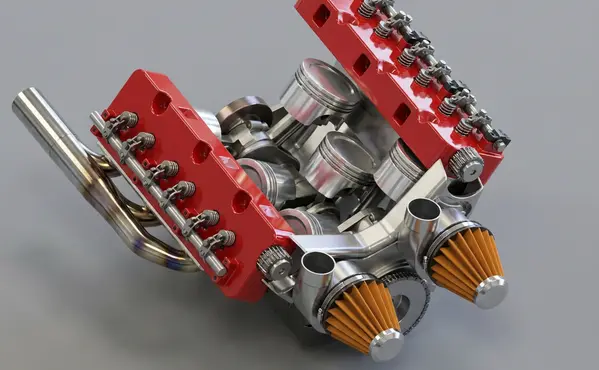


Presentation rendering for legacy Autodesk Plant Design Suite work, including Plant 3D piping, equipment, support structures, and Navisworks coordination views.
Plant Design Suite projects often brought together P&ID diagrams, Plant 3D models, and Navisworks review views for process-plant design and coordination. A useful presentation image can focus on a specific piping tie-in, equipment skid, pipe rack, pump area, access platform, or wider unit layout. RENDERCAD is suited to making a deliberately framed viewport capture or exported still easier to understand in a proposal, design review, project update, or stakeholder presentation. It is most useful after the team has chosen the camera and isolated the design story the image needs to tell, such as how a route reaches a vessel nozzle or how equipment sits within its structural context. The result is a communication visual, not a replacement for the engineering model, P&ID, tagged properties, drawings, clash review, or construction documentation.
In Plant 3D or Navisworks, open the coordinated view that best shows the piping, valves, fittings, equipment, supports, steel, and surrounding unit context relevant to the discussion. Isolate the needed area, use a camera that keeps route direction and clearances legible, and hide transient markup, selection highlights, and unrelated layers. Capture a clean viewport image or export a still, then upload it to RENDERCAD for a more polished presentation treatment with intentional lighting, materials, and contextual atmosphere. Review the output against the original view before sharing it, particularly around pipe routing, connections, equipment placement, and access structure. Return to the source model and project documentation for any design decision, measurement, tag, specification, or coordination check.
Modeled by CADSharp in Onshape. Rendered with RENDERCAD.
Add | Change | or Remove referenced objects with the stroke of a brush.
RENDERCAD uses a maintained selection of image-generation models for different rendering tasks. Results can vary by model and input, so compare generated output with the source design before relying on geometry, materials, or dimensions.
| Feature | RENDERCAD | Competitor |
|---|---|---|
| Engine | Generative AI | Varies by tool |
| Output | Images + Video | Varies by tool |
| Resolution | HD / 4K | Varies by workflow |
| Image Speed | Image renders complete in 60 seconds. | Varies by scene/tool |
| Video Speed | Videos complete in 2-5 minutes. | Varies by workflow |
| Scene Set Up | No separate local scene | Varies by workflow |
| Input | Screen Snip | Varies by tool |
| Hardware | Cloud GPU | Often local GPU/CPU |
| Install | None | Varies (web or app) |
| Cost | from $9/mo | Varies widely |
Read the numbers. We trust you to know theirs.
Skip a separate local scene build. Pick a condition, material, and background while RENDERCAD handles the image-generation step. Image renders complete in 60 seconds.
 ™
RENDERCAD™
™
RENDERCAD™
Use the browser workflow directly, capture a selected view with the desktop app, or start from the browser extension.
Get StartedCommon solutions for Plant Design Suite users
Yes. Mask the region that needs adjustment and provide a focused instruction. RENDERCAD generates a new image, so inspect both the targeted region and the rest of the output for drift.
Share only reference images your team is authorized to use, together with the instructions and review criteria that produced a useful result. Reusing a reference can guide consistency but does not guarantee identical output.
Describe chrome or a silver mirror finish and choose an environment that provides useful reflections. Inspect the output for artifacts and unintended reflected details.
Choose the Dusty condition and describe the intended atmosphere. Generated dust is illustrative, so review how it affects important product details.
Yes, use the "Details" field in the video tab to describe elements like "Steam rising" or "Lights flickering."
Use the RENDERCAD Overlay to capture a clear viewport without rebuilding a separate render scene. Image renders complete in 60 seconds.
Yes. A current desktop capture app and browser extension are available, and the browser upload workflow remains available without either tool.
Use the Realistic engine with a clear input, a specific material description, and a suitable background or reference. Results vary, so review the output against the source product.
Generation runs on cloud infrastructure, so a local rendering GPU is not required. The laptop still needs a supported browser, network access, and enough resources for the source application and image upload.
The core workflow is available in a supported browser and accepts a selected 2D image, so it does not require a rendering plugin in the source application.
The model can reinterpret curves and surface transitions from the 2D input. Compare the result with the source because edges and geometry can drift.
It accepts a clear viewport screenshot, so a separate local material, light, and camera scene is not required for the image-generation workflow.