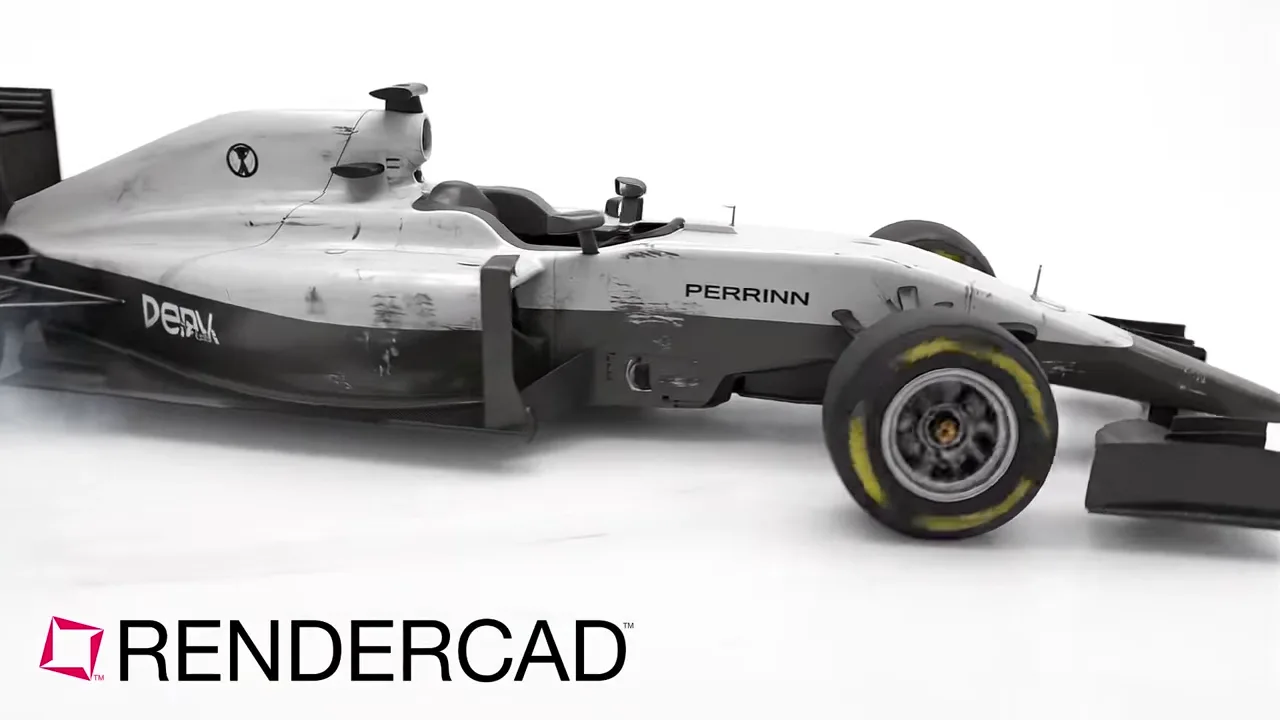
Paid AI rendering for Maya users: screenshot in, photorealistic image out.
RENDERCAD turns a Maya viewport screenshot of your 3D scenes into a photorealistic image in about 60 seconds. It runs outside Maya in the browser, with no plugin, no GPU, and no free Maya version - it is a paid AI renderer with plans from $9/month.


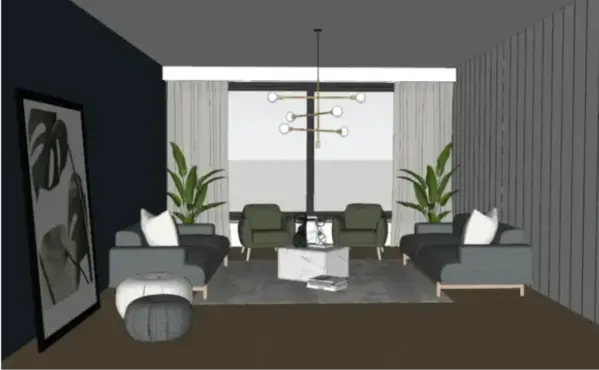
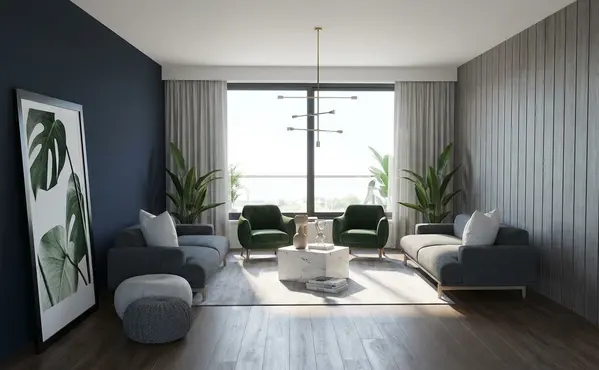


Autodesk Maya is 3D software for modeling, animation, effects, look development, and rendering. Artists use it to build and stage characters, props, and environments, then develop shots through cameras, posing, lighting, materials, simulation, and scene assembly.
A Maya scene can hold the creative evidence needed to judge an image before it is ready for final rendering: a rigged character in a readable pose, a carefully chosen camera, an environment blockout, a Bifrost effects pass, or a lighting and color study. RENDERCAD can turn a clean viewport capture of that work into a more polished still for a pitch frame, key-art exploration, creature presentation, environment mood study, or review board. This is particularly useful when an animation or asset team needs to compare visual directions while the scene is still changing. Use it to explore presentation, atmosphere, and image priorities from the established Maya composition, rather than to replace the scene. The Maya file, approved assets, and final camera remain the source of truth for production decisions.
Use RENDERCAD when a viewport screenshot needs a client-ready still. It is an image-based presentation step, not a replacement for Arnold for Maya, the editable source scene, or the source model.
In Maya, choose the intended shot camera or a deliberate perspective view, frame the subject at the scale that communicates the idea, and hide selection outlines, rig controls, guides, manipulators, and other viewport clutter. Capture a character pose, prop turn, environment composition, effects blockout, or lighting study with enough visible structure to preserve the shot. Bring that image to RENDERCAD to test presentation lighting, mood, surface emphasis, and key-art direction for a review or pitch. Compare the resulting stills against the original Maya view, then carry the selected direction back into the scene. Return to Maya and Arnold for scene-accurate geometry, materials, lighting, AOVs, motion blur, frame continuity, and final animation sequences. Consult the RENDERCAD developer documentation when an automated image workflow is appropriate.
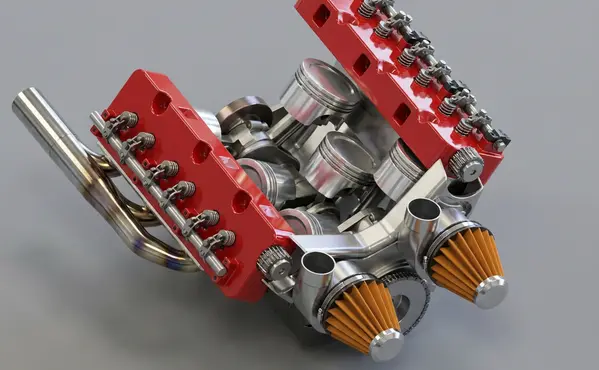
Modeled by CADSharp in Onshape. Rendered with RENDERCAD.
Add | Change | or Remove referenced objects with the stroke of a brush.
RENDERCAD uses a maintained selection of image-generation models for different rendering tasks. Results can vary by model and input, so compare generated output with the source design before relying on geometry, materials, or dimensions.
| Feature | RENDERCAD | Arnold for Maya |
|---|---|---|
| Engine | Generative AI | CPU rendering with optional Arnold GPU rendering on supported systems |
| Output | Images + Video | Still images and frame sequences, including EXR, Deep EXR, JPEG, PNG, and TIFF |
| Resolution | HD / 4K | Set in Maya render settings; practical limits depend on scene complexity and available system resources |
| Image Speed | Image renders complete in 60 seconds. | Scene-dependent; sampling, lighting, shaders, hair, volumes, and hardware determine render time |
| Video Speed | Videos complete in 2-5 minutes. | Animation can be rendered as a sequence or batch; throughput depends on scene complexity, sampling, and available compute |
| Scene Set Up | No separate local scene | Maya scene with cameras, lights, materials, render settings, optional AOVs, and a selected CPU or GPU render device |
| Input | Screen Snip | Native Maya scene data through the Arnold for Maya plug-in |
| Hardware | Cloud GPU | Maya desktop workflows on Windows, macOS, and Linux; Arnold GPU rendering requires supported hardware and is not available on every platform |
| Install | None | Arnold for Maya plug-in used within Maya |
| Cost | from $9/mo | Maya licensing and Arnold rendering options vary by subscription and rendering workflow |
Read the numbers. We trust you to know theirs.
Skip a separate local scene build. Pick a condition, material, and background while RENDERCAD handles the image-generation step. Image renders complete in 60 seconds.
 ™
RENDERCAD™
™
RENDERCAD™
Use the browser workflow directly, capture a selected view with the desktop app, or start from the browser extension.
Get StartedCommon solutions for Maya users
Video jobs consume credits based on current duration and model settings. Check the pricing page for current costs rather than comparing with an assumed outsourcing price.
Yes, if you are authorized to use them. Catalog images can guide a visual direction, but generated quality and product fidelity vary.
Yes. Mask each region and assign an authorized texture reference or instruction. Review material boundaries, scale, and product fidelity after generation.
You can layer a material reference, a lighting reference, and a background reference together. Each guides a different aspect of the final render.
Describe chrome or a silver mirror finish and choose an environment that provides useful reflections. Inspect the output for artifacts and unintended reflected details.
Add phrases like "Light from left," "Backlit," or "Top down lighting" to your custom prompt in RENDERCAD.
Yes. Choose the Dolly In or Dolly Out camera preset in the Video panel, then review the clip for product and geometry fidelity.
Submit a clear viewport screenshot to the web workflow instead of running a local scene render. The generation request runs in the cloud while your source application remains separate.
Open the current desktop app or browser extension, select the viewport region, and send the captured image into the screenshot-based workflow. Availability and device requirements are documented on the current download pages.
Start with a clear, well-framed viewport and describe the intended material and lighting. Image renders complete in 60 seconds, and you can iterate or mask a region when an artifact remains.
It supports fast visual feedback from a clear viewport capture. Image renders complete in 60 seconds.
The current desktop app or browser extension can capture a selected viewport region and send that screenshot into the image workflow. The web upload path remains available without a CAD plugin.