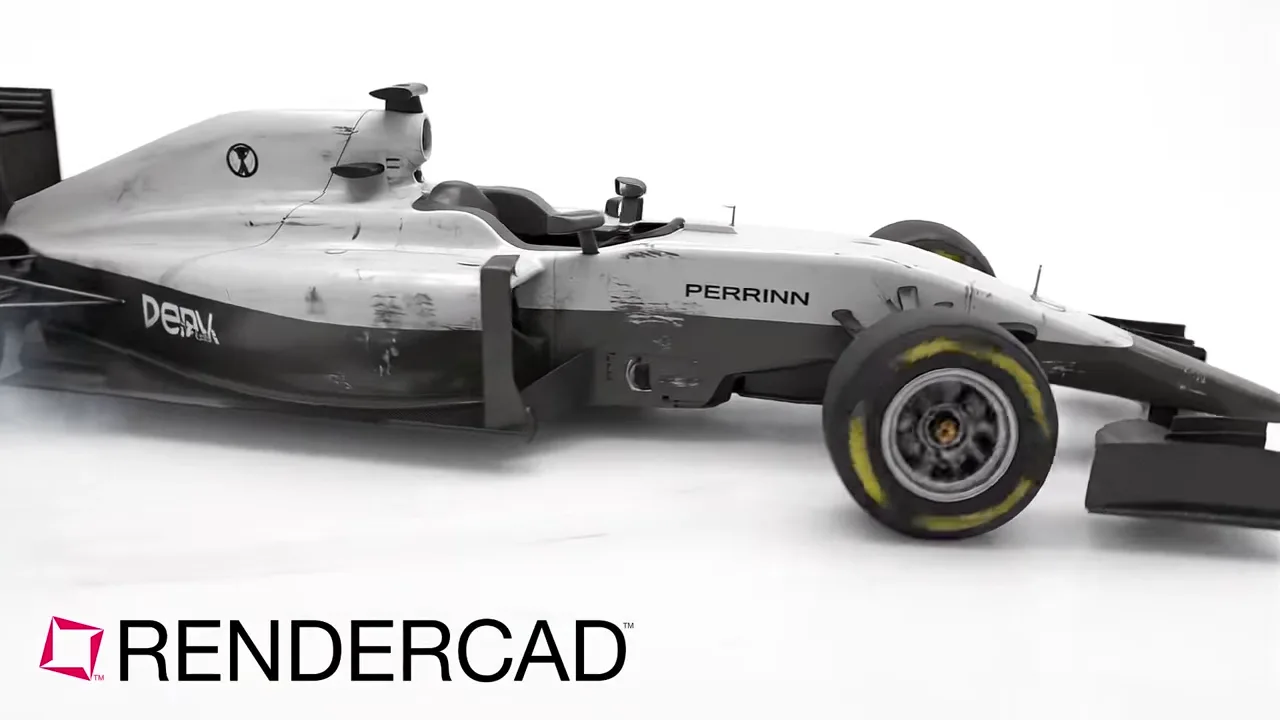
Polished stills for MotionBuilder motion capture and character-animation reviews.
Autodesk MotionBuilder is character animation software used to map and characterize characters, apply motion data, retarget performances, refine animation with Control rigs, and save animated scenes in FBX workflows. Its Viewer is useful for checking a pose, silhouette, interaction, and floor contact while an animator works through a take or Story sequence.


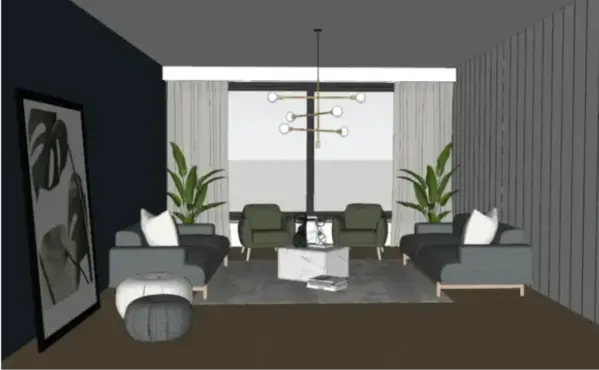
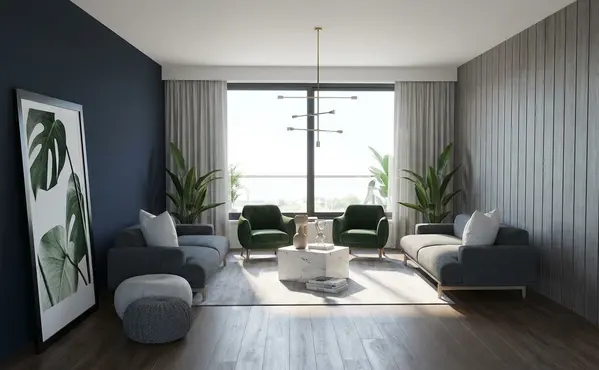


Autodesk MotionBuilder is character animation software used to map and characterize characters, apply motion data, retarget performances, refine animation with Control rigs, and save animated scenes in FBX workflows. Its Viewer is useful for checking a pose, silhouette, interaction, and floor contact while an animator works through a take or Story sequence.
MotionBuilder teams often need a single frame that makes a performance decision legible before the animation is final. After characterizing a skeleton, a character can be driven by an Actor with motion data, another character, or a Control rig; animation can then be plotted and refined. RENDERCAD fits the presentation step: turn a carefully chosen Viewer capture of a landing, reach, handoff, reaction, or two-character beat into a more polished still for dailies, previs, director feedback, character approvals, and pitch or presentation boards. The most useful source view shows the intended camera angle, full body or key interaction, props, and readable floor contact. RENDERCAD does not replace MotionBuilder for motion cleanup, retargeting, timing, keyframes, rig controls, or the authoritative FBX animation export.
Open the relevant take or Story sequence in MotionBuilder and confirm that the selected character, motion source, and Control rig state show the performance you want to discuss. Scrub to the decisive frame, then frame the Viewer around the silhouette, face direction, hands, props, and ground relationship. Use a scene camera or a clear working angle, and reduce visible helpers or interface clutter where practical without hiding information needed for review. Capture that viewport and upload it to RENDERCAD to create a presentation-ready still. Share it alongside the take for animation dailies, previs, character notes, or stakeholder boards. Return to MotionBuilder for every animation decision, including editing, filtering, plotting, and FBX delivery.
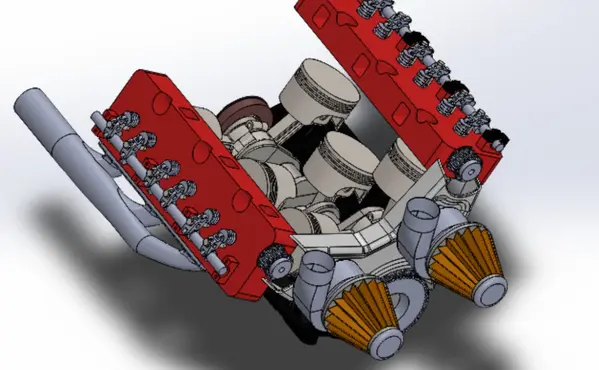
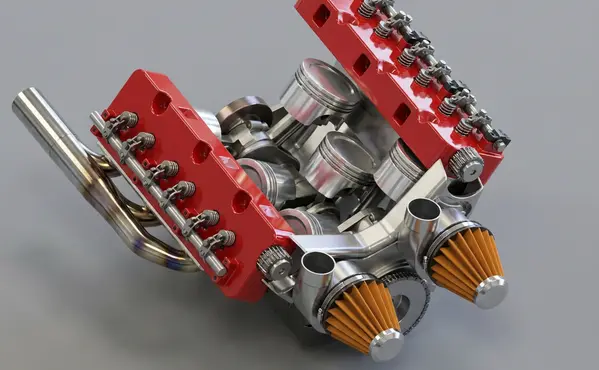
Modeled by CADSharp in Onshape. Rendered with RENDERCAD.
Add | Change | or Remove referenced objects with the stroke of a brush.
RENDERCAD uses a maintained selection of image-generation models for different rendering tasks. Results can vary by model and input, so compare generated output with the source design before relying on geometry, materials, or dimensions.
| Feature | RENDERCAD | Competitor |
|---|---|---|
| Engine | Generative AI | Varies by tool |
| Output | Images + Video | Varies by tool |
| Resolution | HD / 4K | Varies by workflow |
| Image Speed | Image renders complete in 60 seconds. | Varies by scene/tool |
| Video Speed | Videos complete in 2-5 minutes. | Varies by workflow |
| Scene Set Up | No separate local scene | Varies by workflow |
| Input | Screen Snip | Varies by tool |
| Hardware | Cloud GPU | Often local GPU/CPU |
| Install | None | Varies (web or app) |
| Cost | from $9/mo | Varies widely |
Read the numbers. We trust you to know theirs.
Skip a separate local scene build. Pick a condition, material, and background while RENDERCAD handles the image-generation step. Image renders complete in 60 seconds.
 ™
RENDERCAD™
™
RENDERCAD™
Use the browser workflow directly, capture a selected view with the desktop app, or start from the browser extension.
Get StartedCommon solutions for MotionBuilder users
Describe the finish, gloss, grain direction, and lighting, or provide an authorized material reference. Generated reflections are visual approximations rather than physically verified material behavior.
It uses generative image models with screenshot or image inputs. Models and features can change over time, so current product documentation is the source of truth.
Video jobs consume credits based on current duration and model settings. Check the pricing page for current costs rather than comparing with an assumed outsourcing price.
Use authorized product photography to guide angles, shadows, or highlights. Review the result for product and brand fidelity.
Mask individual components and assign color prompts or authorized references. Verify brand color in a color-managed workflow rather than relying on generated accuracy.
You can layer a material reference, a lighting reference, and a background reference together. Each guides a different aspect of the final render.
While RENDERCAD generates full rectangular images, you can set the Background to "White" or "Grey" in Advanced Settings for easy masking in post-production.
Add phrases like "Light from left," "Backlit," or "Top down lighting" to your custom prompt in RENDERCAD.
Upload a CAD screenshot, real photo, or hand drawing, open the Video panel, and choose an available duration, camera preset, and product motion. Videos complete in 2-5 minutes.
Submit a clear viewport screenshot to the web workflow instead of running a local scene render. The generation request runs in the cloud while your source application remains separate.
Open the current desktop app or browser extension, select the viewport region, and send the captured image into the screenshot-based workflow. Availability and device requirements are documented on the current download pages.
Use the web upload workflow, the current desktop capture app, or the browser extension to submit a selected 2D view. This is a screenshot workflow, not a native CAD-file or renderer integration.