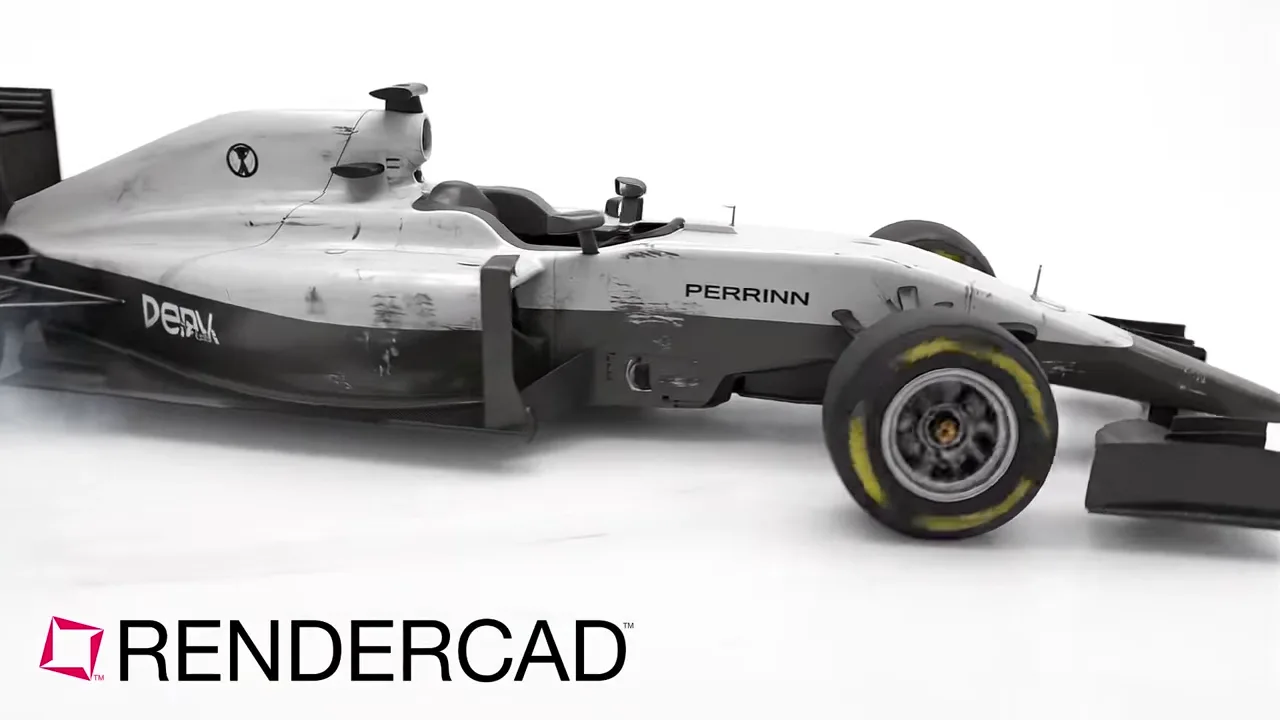
Polished companion visuals for approved ParaView analysis views.
ParaView is an open-source scientific data analysis and visualization application for exploring simulation and measurement datasets. Researchers and engineers use its visualization pipeline to inspect spatial data through render views and filters such as slices, contours, clips, streamlines, and volume displays. Its saved images and animation frames can also provide a grounded starting point for communication-focused visuals.


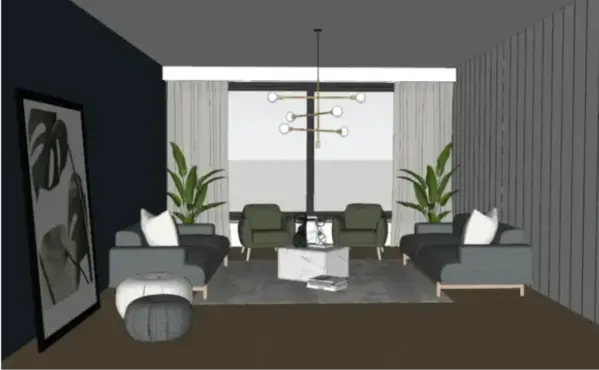
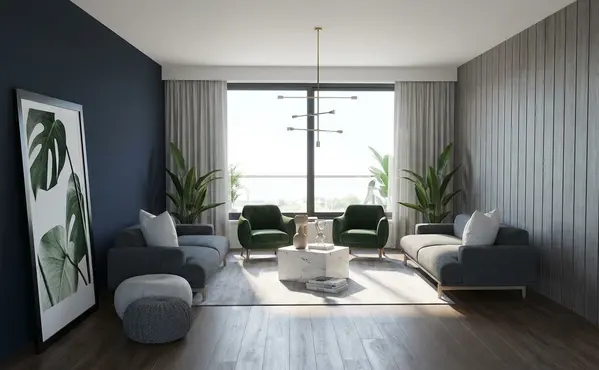
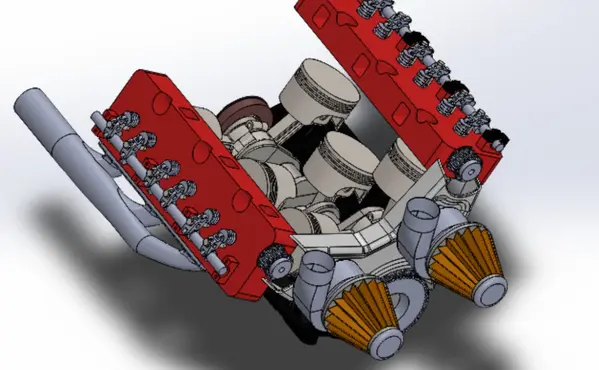


ParaView is an open-source scientific data analysis and visualization application for exploring simulation and measurement datasets. Researchers and engineers use its visualization pipeline to inspect spatial data through render views and filters such as slices, contours, clips, streamlines, and volume displays. Its saved images and animation frames can also provide a grounded starting point for communication-focused visuals.
ParaView is designed to turn scientific and engineering datasets into interpretable views. A CFD team might use contours, streamlines, slices, and a carefully chosen color map to explain flow around a component; a research team may inspect a volume, particle result, or time-varying simulation before sharing a result beyond the analysis group. The useful RENDERCAD input is not raw data or an unfinished viewport. It is a deliberate ParaView render view or saved frame that already shows the approved timestep, visible datasets, filters, camera, and visual hierarchy. RENDERCAD can turn a copy of that view into a polished companion image for a report cover, proposal, conference slide, project page, or explanatory graphic. It is especially useful when the analytical view needs clearer environmental context or a more presentation-oriented finish. ParaView remains the source of truth for the data pipeline, numerical ranges, legend, annotations, and any conclusion drawn from the result.
Build and validate the visualization in ParaView first. Load the appropriate dataset, apply only the filters needed to reveal the story, set the timestep when the data changes over time, and confirm the camera, visible geometry, color map, range, legend, and annotations with the technical team. Save a clean still from the render view or select a representative animation frame. Upload a copy to RENDERCAD for a companion visual aimed at non-specialist communication, while preserving the ParaView image for technical review. Before publishing, compare the companion visual with the approved source view so it does not imply altered geometry, flow behavior, measurements, or values. Use ParaView and the underlying dataset for analysis, reproducibility, and quantitative decisions; use the RENDERCAD output as supporting presentation material rather than evidence.
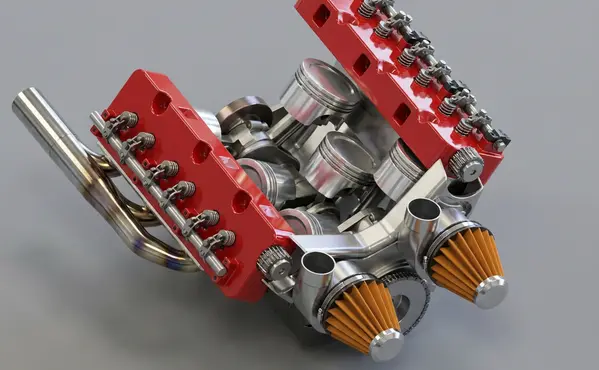
Modeled by CADSharp in Onshape. Rendered with RENDERCAD.
Add | Change | or Remove referenced objects with the stroke of a brush.
RENDERCAD uses a maintained selection of image-generation models for different rendering tasks. Results can vary by model and input, so compare generated output with the source design before relying on geometry, materials, or dimensions.
| Feature | RENDERCAD | Competitor |
|---|---|---|
| Engine | Generative AI | Varies by tool |
| Output | Images + Video | Varies by tool |
| Resolution | HD / 4K | Varies by workflow |
| Image Speed | Image renders complete in 60 seconds. | Varies by scene/tool |
| Video Speed | Videos complete in 2-5 minutes. | Varies by workflow |
| Scene Set Up | No separate local scene | Varies by workflow |
| Input | Screen Snip | Varies by tool |
| Hardware | Cloud GPU | Often local GPU/CPU |
| Install | None | Varies (web or app) |
| Cost | from $9/mo | Varies widely |
Read the numbers. We trust you to know theirs.
Skip a separate local scene build. Pick a condition, material, and background while RENDERCAD handles the image-generation step. Image renders complete in 60 seconds.
 ™
RENDERCAD™
™
RENDERCAD™
Use the browser workflow directly, capture a selected view with the desktop app, or start from the browser extension.
Get StartedCommon solutions for ParaView users
The core workflow is available in a supported browser and accepts a selected 2D image, so it does not require a rendering plugin in the source application.
The model can reinterpret curves and surface transitions from the 2D input. Compare the result with the source because edges and geometry can drift.
It accepts a clear viewport screenshot, so a separate local material, light, and camera scene is not required for the image-generation workflow.
It lets you describe motion, steam, lighting changes, or atmosphere for a generated clip. Added details may not exist in the source model.
Use only images you are authorized to submit. A style reference can guide lighting, composition, or general aesthetic, but it does not guarantee that the source design remains unchanged.
Yes. Draw a mask around the product and direct the background region separately. Inspect the full result because unmasked content can still drift during generation.
Reuse the same authorized lighting, material, and style references, then review every output against the brand system. References can help consistency but do not guarantee it.
Describe chrome or a silver mirror finish and choose an environment that provides useful reflections. Inspect the output for artifacts and unintended reflected details.
Choose a suitable background and describe a reflective floor. Inspect the generated reflection for alignment, product fidelity, and unintended details.
Upload a CAD screenshot, real photo, or hand drawing, open the Video panel, and choose an available duration, camera preset, and product motion. Videos complete in 2-5 minutes.
If the source viewport is visible but a local renderer fails, capture a clear screenshot and use it as a RENDERCAD input. Image renders complete in 60 seconds.
Yes. Upload a photo of a foam model and prompt "Finished plastic product" to visualize the final look.