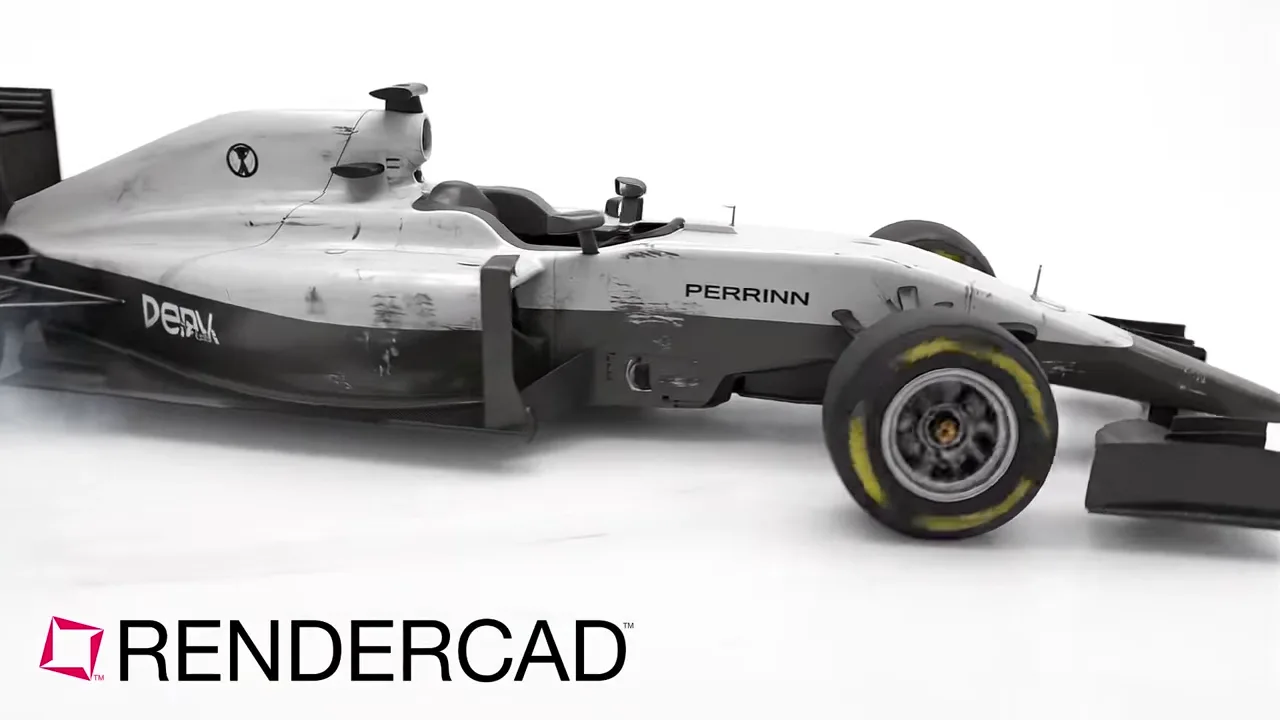
Turn Paper journal pages into focused render-style concept studies.
Paper is an iPhone and iPad sketching, drawing, and collage app built around journal pages. Designers can combine a quick perspective sketch with photos, cut-out references, color, and annotations to frame an idea before a detailed model or final artwork exists. That makes a focused Paper page useful as a visual brief for early product, interior, retail, packaging, campaign, or storyboard exploration.


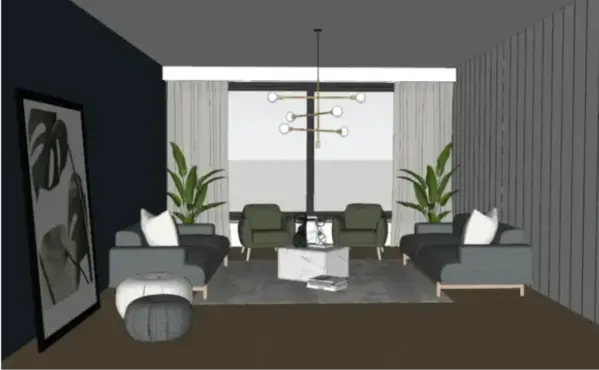
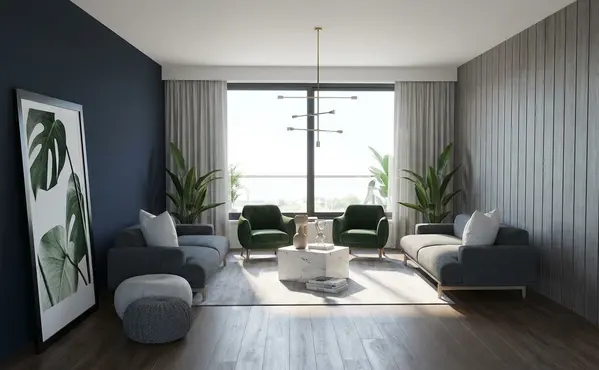


Paper is an iPhone and iPad sketching, drawing, and collage app built around journal pages. Designers can combine a quick perspective sketch with photos, cut-out references, color, and annotations to frame an idea before a detailed model or final artwork exists. That makes a focused Paper page useful as a visual brief for early product, interior, retail, packaging, campaign, or storyboard exploration.
Use Paper when the key decision is visual direction rather than engineering detail. A single journal page can hold a product silhouette or room perspective alongside material references, a color cue, and a few contextual images. Paper's collage workflow is particularly helpful for establishing what should feel prominent in the final scene: a furniture finish, storefront atmosphere, packaging palette, vehicle setting, or narrative moment in a storyboard. For RENDERCAD, the strongest input is a clean page with one clear hero subject, readable viewpoint, and only the references that should influence the result. RENDERCAD can turn that brief into render-style studies of materials, lighting, shadows, and surrounding context for a design review, presentation board, pitch, or creative exploration. It should not be treated as the source of truth for dimensions, construction, final artwork, or production-approved colors and materials; keep those decisions in the appropriate design files and specifications.
In Paper, dedicate a journal page to one scene or concept. Start with the sketch, photo, or collage element that defines the subject and camera view, then add only references that communicate the desired finish, palette, lighting, or environment. Use the page as a composition board rather than a collection of unrelated inspiration, and hide or remove handwritten notes, alternates, and elements that should not appear in the visual. Export the selected page as an image or capture a clean screenshot. Upload that image to RENDERCAD with a concise direction such as matte ceramic in soft window light, a warm retail display, or an editorial outdoor setting. Review several visual directions, select the one that best supports the brief, and bring it back into Paper for paintover, storyboard sequencing, or feedback. If the sketch changes materially, export the revised page and generate a fresh study rather than relying on an earlier result.
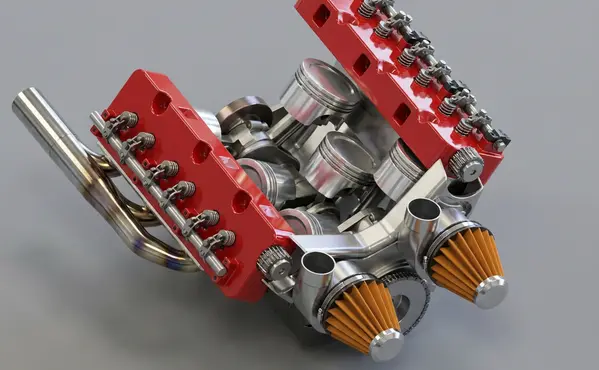
Modeled by CADSharp in Onshape. Rendered with RENDERCAD.
Add | Change | or Remove referenced objects with the stroke of a brush.
RENDERCAD uses a maintained selection of image-generation models for different rendering tasks. Results can vary by model and input, so compare generated output with the source design before relying on geometry, materials, or dimensions.
| Feature | RENDERCAD | Competitor |
|---|---|---|
| Engine | Generative AI | Varies by tool |
| Output | Images + Video | Varies by tool |
| Resolution | HD / 4K | Varies by workflow |
| Image Speed | Image renders complete in 60 seconds. | Varies by scene/tool |
| Video Speed | Videos complete in 2-5 minutes. | Varies by workflow |
| Scene Set Up | No separate local scene | Varies by workflow |
| Input | Screen Snip | Varies by tool |
| Hardware | Cloud GPU | Often local GPU/CPU |
| Install | None | Varies (web or app) |
| Cost | from $9/mo | Varies widely |
Read the numbers. We trust you to know theirs.
Skip a separate local scene build. Pick a condition, material, and background while RENDERCAD handles the image-generation step. Image renders complete in 60 seconds.
 ™
RENDERCAD™
™
RENDERCAD™
Use the browser workflow directly, capture a selected view with the desktop app, or start from the browser extension.
Get StartedCommon solutions for Paper users
Mask the visible label area and attach authorized artwork as a reference to guide the generated mockup. Verify spelling, shape, color, placement, and perspective; add exact production artwork afterward in a graphics or packaging-design tool.
Share only reference images your team is authorized to use, together with the instructions and review criteria that produced a useful result. Reusing a reference can guide consistency but does not guarantee identical output.
Upload a clear image, then choose a worn condition or describe rust and age in the prompt. Review the result because the generated wear pattern may not match real use or material behavior.
Choose the Dusty condition and describe the intended atmosphere. Generated dust is illustrative, so review how it affects important product details.
Choose the Orbit camera preset in the Video panel. Review the generated clip because viewpoint changes and product details can vary from a single-image input.
Use the RENDERCAD Overlay to capture a clear viewport without rebuilding a separate render scene. Image renders complete in 60 seconds.
Yes. A current desktop capture app and browser extension are available, and the browser upload workflow remains available without either tool.
Add a familiar scale cue such as a person, hand, or furniture item, then verify the generated relationship against known dimensions in the source model.
Generation runs on cloud infrastructure, so a local rendering GPU is not required. The laptop still needs a supported browser, network access, and enough resources for the source application and image upload.
The core workflow is available in a supported browser and accepts a selected 2D image, so it does not require a rendering plugin in the source application.
The model can reinterpret curves and surface transitions from the 2D input. Compare the result with the source because edges and geometry can drift.
It accepts a clear viewport screenshot, so a separate local material, light, and camera scene is not required for the image-generation workflow.