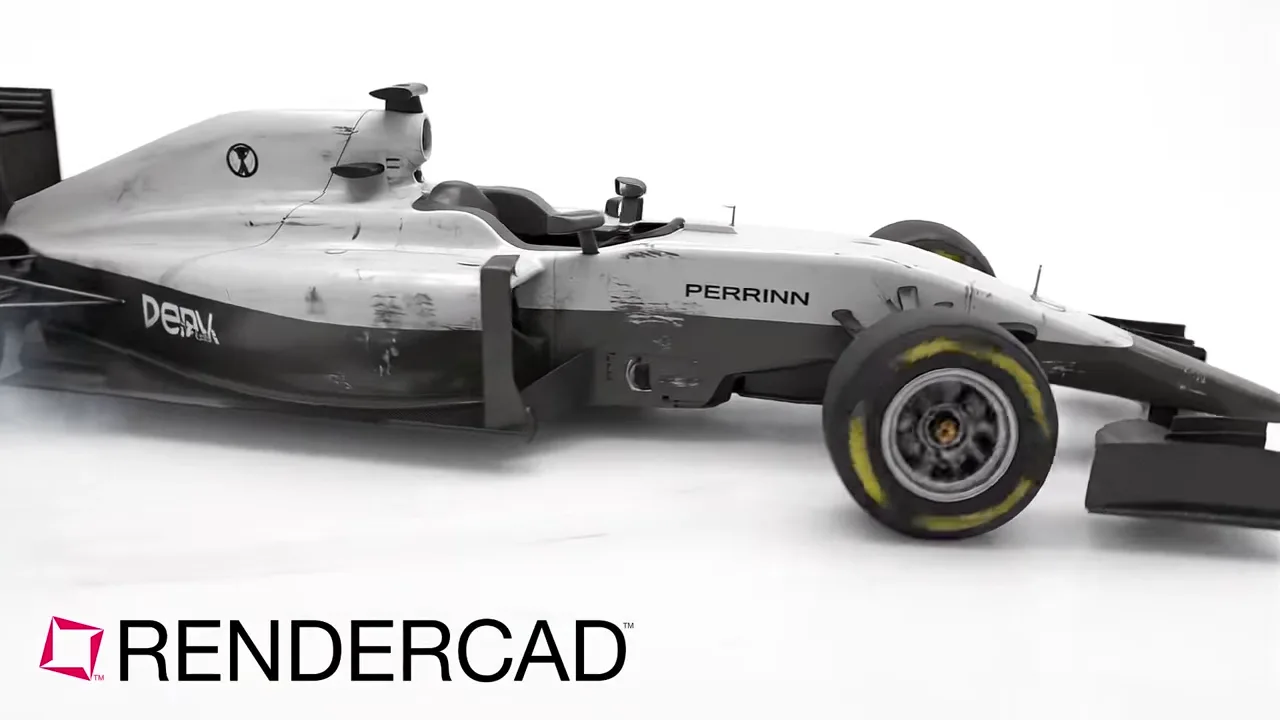
Develop PaintTool SAI linework and color studies into render-style concept images.
Digital painting software for pressure-sensitive illustration, clean linework, layered color studies, and character or environment concepts


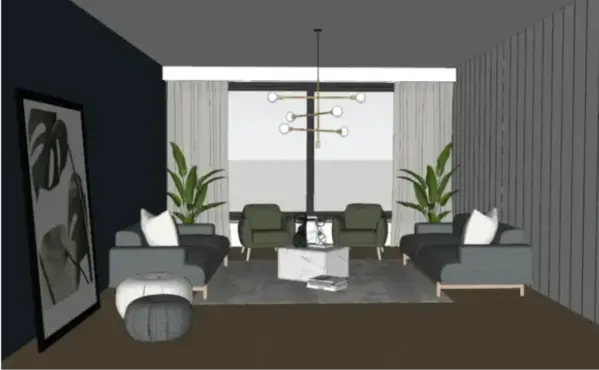
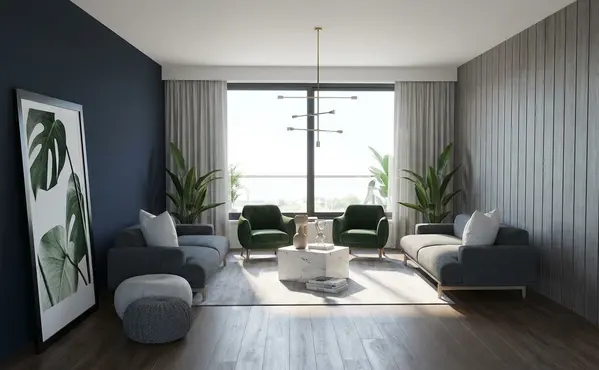


Digital painting software for pressure-sensitive illustration, clean linework, layered color studies, and character or environment concepts
PaintTool SAI is useful when a pressure-shaped ink line, a small set of color flats, and a readable focal point already describe a character, prop, product, interior, or illustrated environment. Its normal and linework layers help an artist keep contours, local color, and paint experiments distinct while developing a concept. RENDERCAD can be useful once that canvas has a settled silhouette and viewpoint but the team needs to test a more finished presentation direction. A clean exported canvas gives it the strongest starting point: clear outlines, unambiguous forms, and intentional areas of light and shadow make it easier to explore material character, atmosphere, background context, and studio or cinematic lighting. The resulting still can support a concept review, art direction board, packaging discussion, or a visual reference for a later PaintTool SAI paintover. It should not be treated as the source of truth for the editable illustration, exact line quality, or final authored details.
In PaintTool SAI, separate the linework, flats, and lighting studies while resolving one selected view. Keep the character pose, product angle, room perspective, or scene horizon easy to read, then hide guides, reference layers, and alternate sketches. Use Export as to make a flattened image for review, preserving the editable SAI file and its layers separately. Upload the clean image to RENDERCAD with a concise description of the subject, desired materials, light direction, background, and mood. Specify which silhouette, proportions, color relationships, or composition should remain close to the drawing. Compare several presentation directions, then bring a chosen result back into SAI as a reference layer for paintover, a pitch board, a cover concept, or a review frame. For repeat image workflows, developer documentation is available at RENDERCAD developer documentation.
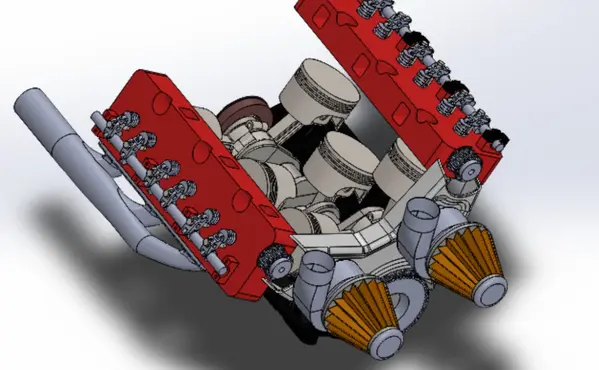
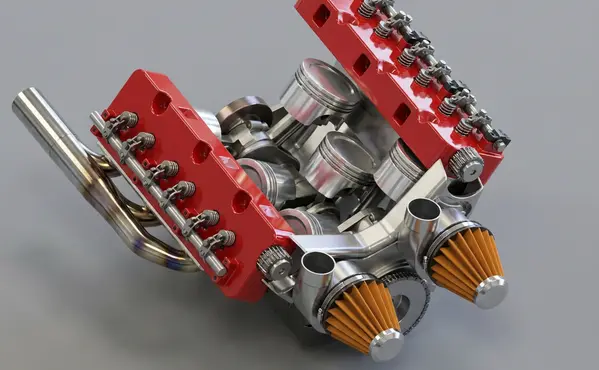
Modeled by CADSharp in Onshape. Rendered with RENDERCAD.
Add | Change | or Remove referenced objects with the stroke of a brush.
RENDERCAD uses a maintained selection of image-generation models for different rendering tasks. Results can vary by model and input, so compare generated output with the source design before relying on geometry, materials, or dimensions.
| Feature | RENDERCAD | Competitor |
|---|---|---|
| Engine | Generative AI | Varies by tool |
| Output | Images + Video | Varies by tool |
| Resolution | HD / 4K | Varies by workflow |
| Image Speed | Image renders complete in 60 seconds. | Varies by scene/tool |
| Video Speed | Videos complete in 2-5 minutes. | Varies by workflow |
| Scene Set Up | No separate local scene | Varies by workflow |
| Input | Screen Snip | Varies by tool |
| Hardware | Cloud GPU | Often local GPU/CPU |
| Install | None | Varies (web or app) |
| Cost | from $9/mo | Varies widely |
Read the numbers. We trust you to know theirs.
Skip a separate local scene build. Pick a condition, material, and background while RENDERCAD handles the image-generation step. Image renders complete in 60 seconds.
 ™
RENDERCAD™
™
RENDERCAD™
Use the browser workflow directly, capture a selected view with the desktop app, or start from the browser extension.
Get StartedCommon solutions for PaintTool SAI users
It uses generative image models with screenshot or image inputs. Models and features can change over time, so current product documentation is the source of truth.
Video jobs consume credits based on current duration and model settings. Check the pricing page for current costs rather than comparing with an assumed outsourcing price.
With the Realistic engine selected, use Add Instruction to attach an authorized material image and describe how it should guide the render. The reference guides the generated image; it does not modify the native PaintTool SAI model or guarantee a material match.
Mask visible components separately when they need different material or color direction. Keep the source model or drawing beside the output because generated boundaries and part relationships can drift.
Yes. Save successful reference images in organized folders. Over time, you build a personal material and style library for consistent rendering.
Describe chrome or a silver mirror finish and choose an environment that provides useful reflections. Inspect the output for artifacts and unintended reflected details.
Add phrases like "Light from left," "Backlit," or "Top down lighting" to your custom prompt in RENDERCAD.
Start from an image that clearly shows the existing separated components, then choose the Exploded View product motion. Review the clip against the source because generated motion can alter part boundaries or relationships.
Submit a clear viewport screenshot to the web workflow instead of running a local scene render. The generation request runs in the cloud while your source application remains separate.
Open the current desktop app or browser extension, select the viewport region, and send the captured image into the screenshot-based workflow. Availability and device requirements are documented on the current download pages.
Log into RENDERCAD Studio in a supported browser, upload a clear CAD screenshot or another supported 2D input, and generate an image for review.
It supports fast visual feedback from a clear viewport capture. Image renders complete in 60 seconds.