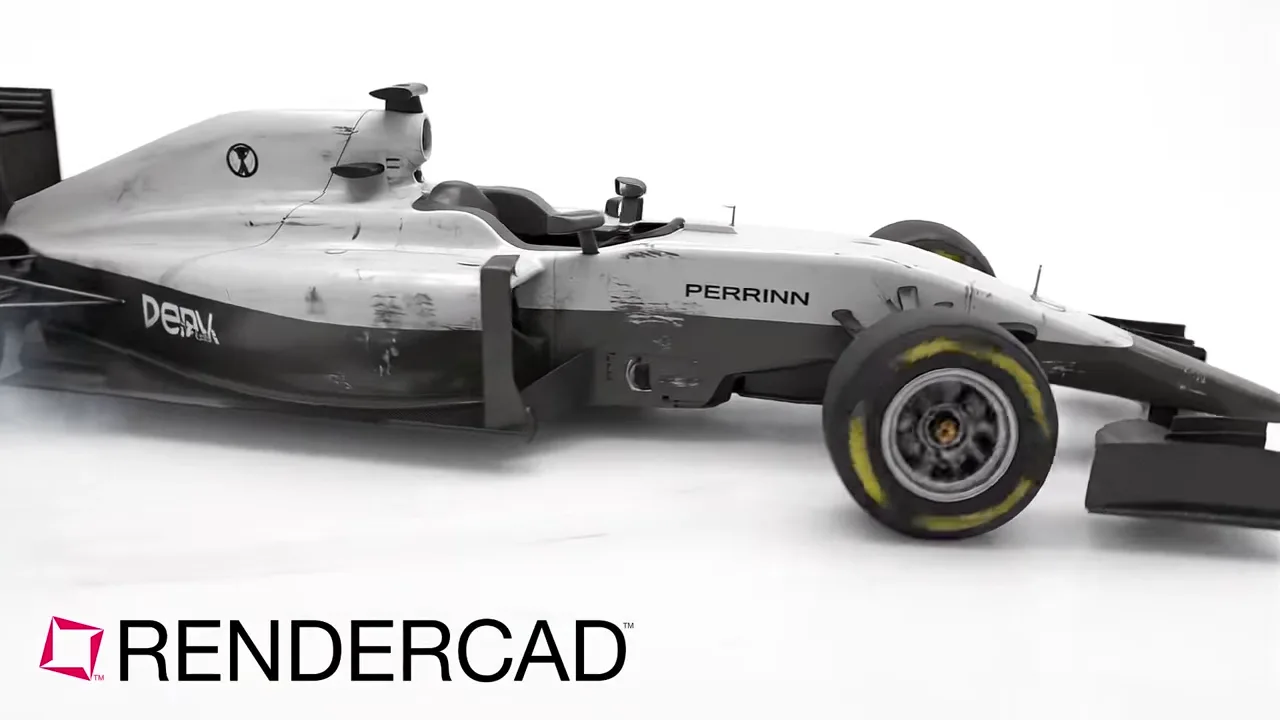
Clearer presentation visuals for PowerShape scan-to-CAD reconstruction work.
PowerShape Reverse Engineering works with scan data and STL meshes to repair geometry and rebuild usable wireframe, surface, and solid models. It is well suited to molds, dies, tooling, legacy parts, and other complex forms where the scan is a starting reference rather than a presentation-ready asset. RENDERCAD helps turn a selected PowerShape viewport into a clearer visual once the engineering model is ready to explain.


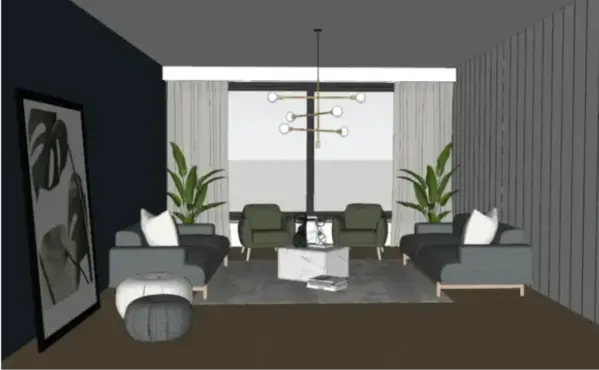

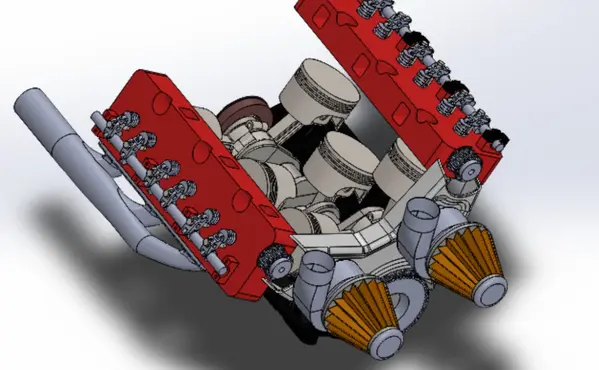
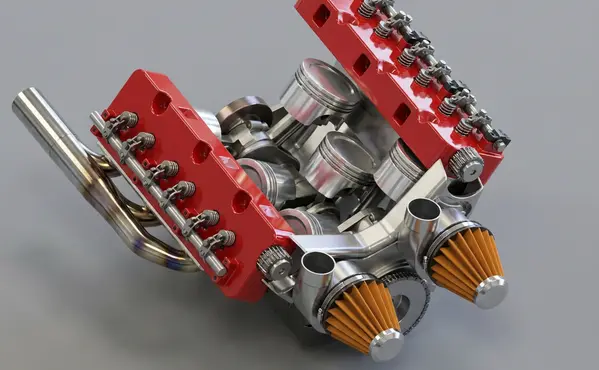


PowerShape Reverse Engineering works with scan data and STL meshes to repair geometry and rebuild usable wireframe, surface, and solid models. It is well suited to molds, dies, tooling, legacy parts, and other complex forms where the scan is a starting reference rather than a presentation-ready asset. RENDERCAD helps turn a selected PowerShape viewport into a clearer visual once the engineering model is ready to explain.
PowerShape Reverse Engineering is used to take measured scan data or an STL mesh through repair and reconstruction into wireframe, surfaces, and, where appropriate, a solid model. A team may be rebuilding a worn mold component, a die feature, an electrode, or a legacy manufactured part without usable original CAD. The useful visual is rarely the entire working scene. It is usually a clean view of the repaired scan, the rebuilt surface region, or the finished reconstructed part that lets a reviewer understand the intended shape and physical role of the component.
RENDERCAD supports the communication stage after that work is established. A carefully framed PowerShape capture can be developed into a presentation visual for a repair proposal, design review, engineering update, or customer conversation. For example, retain the mesh only when it helps show the scan-derived condition, or show the reconstructed surface or solid when the discussion is about the proposed finished form. A polished image can clarify form, finish, and context, but it cannot validate scan fidelity, surface continuity, fit, tolerance, or manufacturing readiness. PowerShape and the underlying measurement data remain the source of truth for reconstruction and engineering decisions.
In PowerShape, first import and assess the scan or mesh, then complete the relevant repair and reconstruction work before preparing a visual. Mesh cleanup may include correcting common faults or filling suitable holes; reconstruction can use extracted curves and fitted surfaces before the result is converted or developed further as needed. Isolate one meaningful state of the part: the repaired mesh for a condition discussion, a surface patch for a reconstruction review, or the finished solid for a repair or remake proposal.
Set a view that makes the silhouette, key transitions, and scale of the component readable. Hide construction curves, mesh facets, boundaries, and diagnostic information unless they explain the specific decision. Capture the viewport and give RENDERCAD direction about the material, finish, setting, and audience. Use the resulting image in a review deck, proposal, or update, while retaining the native PowerShape model and measurement workflow for inspection, comparison, tolerance decisions, and any downstream manufacturing work.
Modeled by CADSharp in Onshape. Rendered with RENDERCAD.
Add | Change | or Remove referenced objects with the stroke of a brush.
RENDERCAD uses a maintained selection of image-generation models for different rendering tasks. Results can vary by model and input, so compare generated output with the source design before relying on geometry, materials, or dimensions.
| Feature | RENDERCAD | Competitor |
|---|---|---|
| Engine | Generative AI | Varies by tool |
| Output | Images + Video | Varies by tool |
| Resolution | HD / 4K | Varies by workflow |
| Image Speed | Image renders complete in 60 seconds. | Varies by scene/tool |
| Video Speed | Videos complete in 2-5 minutes. | Varies by workflow |
| Scene Set Up | No separate local scene | Varies by workflow |
| Input | Screen Snip | Varies by tool |
| Hardware | Cloud GPU | Often local GPU/CPU |
| Install | None | Varies (web or app) |
| Cost | from $9/mo | Varies widely |
Read the numbers. We trust you to know theirs.
Skip a separate local scene build. Pick a condition, material, and background while RENDERCAD handles the image-generation step. Image renders complete in 60 seconds.
 ™
RENDERCAD™
™
RENDERCAD™
Use the browser workflow directly, capture a selected view with the desktop app, or start from the browser extension.
Get StartedCommon solutions for PowerShape Reverse Engineering users
Upload a clear image, choose the Realistic engine, and describe a large soft light source or overcast lighting. Generated shadows are visual approximations, not a physical lighting calculation.
Yes, use the "Details" field in the video tab to describe elements like "Steam rising" or "Lights flickering."
No local NVIDIA rendering GPU is required. Use a supported browser to upload an image or a current capture tool to select a screenshot; generation runs on cloud infrastructure.
The Render History page lets you browse and download retained images and videos. Storage duration depends on the account plan, so download assets you need before they expire.
Describe the color code name (e.g., "Traffic Red") in the prompt.
The core workflow starts from a selected 2D view, so it does not require native CAD-file conversion or source-model upload.
Reuse a clear history image and change the color instruction or reference. Treat the results as visual options rather than color-managed proof.
Describe the finish, gloss, grain direction, and lighting, or provide an authorized material reference. Generated reflections are visual approximations rather than physically verified material behavior.
It uses generative image models with screenshot or image inputs. Models and features can change over time, so current product documentation is the source of truth.
Video jobs consume credits based on current duration and model settings. Check the pricing page for current costs rather than comparing with an assumed outsourcing price.
Yes. An environment reference can guide the visual direction of reflections on metallic or glossy surfaces, but the result is not a physical reflection simulation.
Yes. Use a mask to target the background separately from the foreground product. Review both regions because generation can still alter unmasked content.