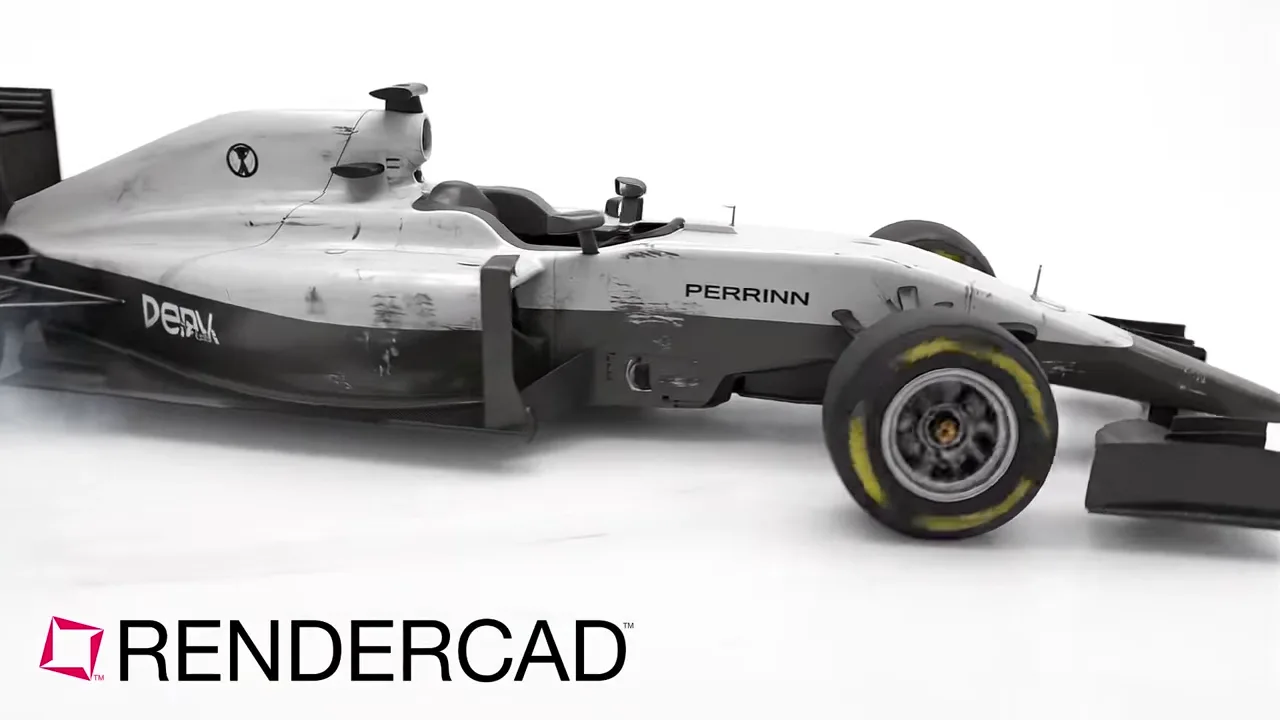
Presentation-ready stills from Presagis OpenFlight, terrain, and simulation views.
Presagis supports visual database, terrain, OpenFlight, and simulation-oriented workflows. Its audience often needs to communicate a scene that is technically grounded - for example, a vehicle placed in terrain, a modeled airport area, an urban training location, or a sensor and display viewpoint - to reviewers who do not need the full simulation application. A carefully framed viewport or runtime capture can preserve the scene context, geometry, and intended operational viewpoint while becoming a clearer presentation asset.


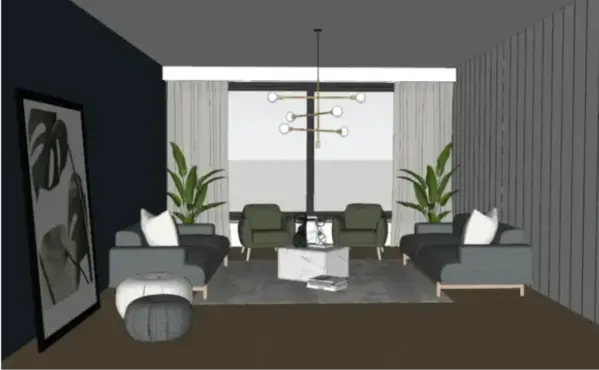
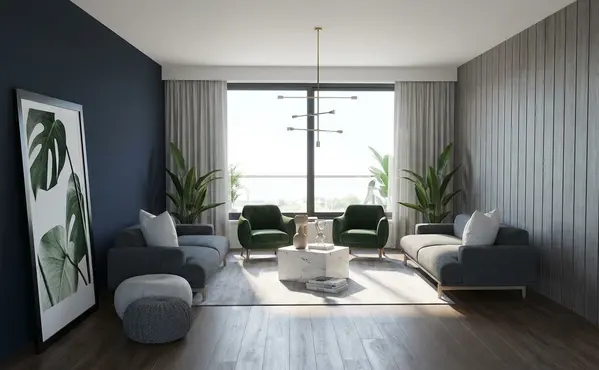


Presagis supports visual database, terrain, OpenFlight, and simulation-oriented workflows. Its audience often needs to communicate a scene that is technically grounded - for example, a vehicle placed in terrain, a modeled airport area, an urban training location, or a sensor and display viewpoint - to reviewers who do not need the full simulation application. A carefully framed viewport or runtime capture can preserve the scene context, geometry, and intended operational viewpoint while becoming a clearer presentation asset.
Presagis users can turn an OpenFlight asset, Creator model view, terrain database scene, or simulation viewport capture into a clearer presentation image. RENDERCAD is most useful once the source view already communicates the important visual intent - such as a vehicle route through terrain, an airport or urban scene, a cockpit display context, or a training scenario - but the team needs a polished still for a concept deck, design review, storyboard, proposal, or documentation.
Choose a view that makes the modeled subject and its setting legible together. A low-angle vehicle view may explain scale and terrain interaction; a higher overview may better show a landing area, road network, or scene composition. For a display or sensor-oriented image, retain the surrounding platform or environment needed to explain what the viewpoint represents. RENDERCAD can improve the visual presentation of that captured intent, but it does not replace Presagis for OpenFlight content, terrain or database authoring, simulation behavior, runtime validation, or operational accuracy.
In Presagis, frame the model, terrain area, vehicle, display, or scenario moment that needs to be explained. Set a useful camera height and crop, then reduce nonessential application controls, diagnostics, grids, and labels before capturing the image. Keep visible only the scene details that establish the story: the subject, terrain or built context, key structures, and any meaningful lighting or weather cues.
Upload the clean capture to RENDERCAD with a short visual brief focused on presentation qualities rather than changing the scenario. Review the result beside the original Presagis view to check the silhouette, viewpoint, environmental context, and any details relevant to the review. Use the finished still in design reviews, scenario briefings, proposal graphics, training storyboards, or documentation. Return to Presagis and the underlying source data for revisions, technical decisions, and anything that must be simulated or verified.
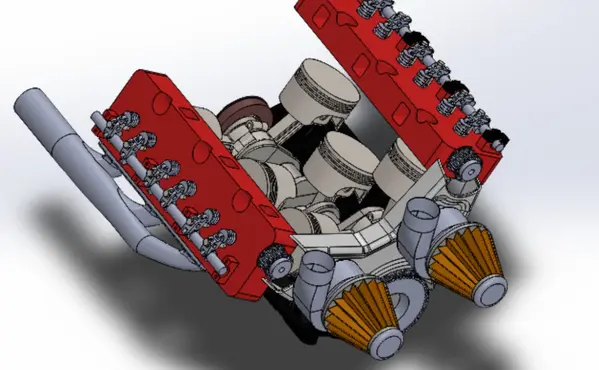
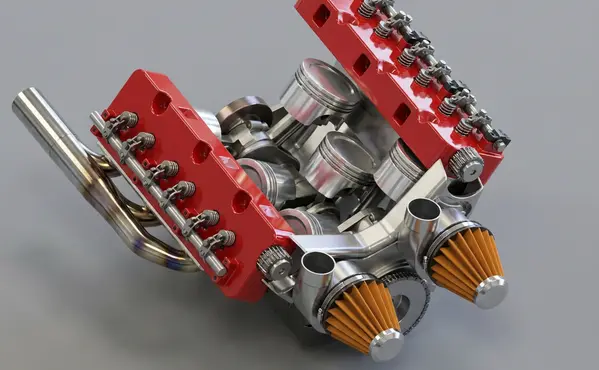
Modeled by CADSharp in Onshape. Rendered with RENDERCAD.
Add | Change | or Remove referenced objects with the stroke of a brush.
RENDERCAD uses a maintained selection of image-generation models for different rendering tasks. Results can vary by model and input, so compare generated output with the source design before relying on geometry, materials, or dimensions.
| Feature | RENDERCAD | Competitor |
|---|---|---|
| Engine | Generative AI | Varies by tool |
| Output | Images + Video | Varies by tool |
| Resolution | HD / 4K | Varies by workflow |
| Image Speed | Image renders complete in 60 seconds. | Varies by scene/tool |
| Video Speed | Videos complete in 2-5 minutes. | Varies by workflow |
| Scene Set Up | No separate local scene | Varies by workflow |
| Input | Screen Snip | Varies by tool |
| Hardware | Cloud GPU | Often local GPU/CPU |
| Install | None | Varies (web or app) |
| Cost | from $9/mo | Varies widely |
Read the numbers. We trust you to know theirs.
Skip a separate local scene build. Pick a condition, material, and background while RENDERCAD handles the image-generation step. Image renders complete in 60 seconds.
 ™
RENDERCAD™
™
RENDERCAD™
Use the browser workflow directly, capture a selected view with the desktop app, or start from the browser extension.
Get StartedCommon solutions for Presagis users
Add phrases like "Light from left," "Backlit," or "Top down lighting" to your custom prompt in RENDERCAD.
Choose the Seamless loop end-frame option to guide the clip toward a looping transition. Review the exported loop because continuity can vary by model and source image.
Submit a clear viewport screenshot to the web workflow instead of running a local scene render. The generation request runs in the cloud while your source application remains separate.
Open the current desktop app or browser extension, select the viewport region, and send the captured image into the screenshot-based workflow. Availability and device requirements are documented on the current download pages.
Describe the color code name (e.g., "Traffic Red") in the prompt.
It supports fast visual feedback from a clear viewport capture. Image renders complete in 60 seconds.
The current desktop app or browser extension can capture a selected viewport region and send that screenshot into the image workflow. The web upload path remains available without a CAD plugin.
Choose a background or describe the intended environment and lighting. Generated reflections and illumination are visual interpretations, not a scene-based light simulation.
4K is an optional output-resolution step. It increases pixel dimensions but does not restore missing source detail or guarantee print suitability.
It guides the video toward a looping transition. Review continuity after export because the first and last frames may still need editing.
Use authorized product photography to guide angles, shadows, or highlights. Review the result for product and brand fidelity.
Yes. Mask the region that needs adjustment and provide a focused instruction. RENDERCAD generates a new image, so inspect both the targeted region and the rest of the output for drift.