Create presentation images from selected Creo View review states.
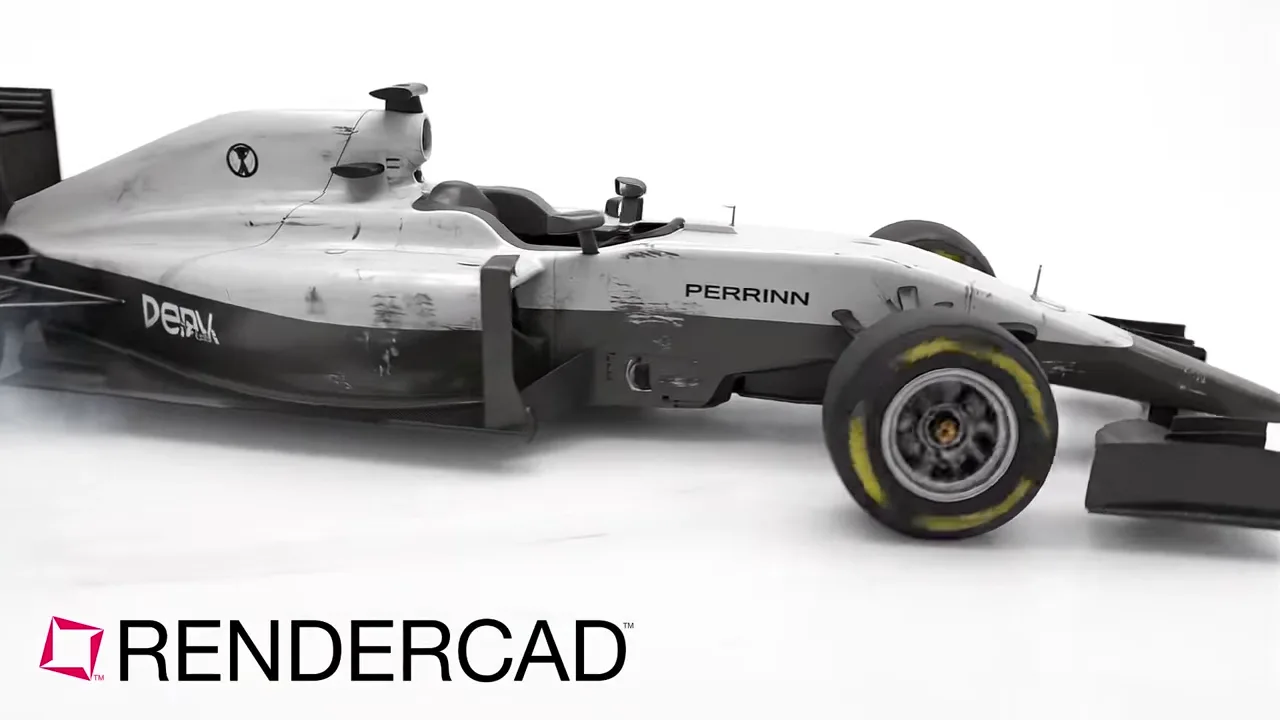
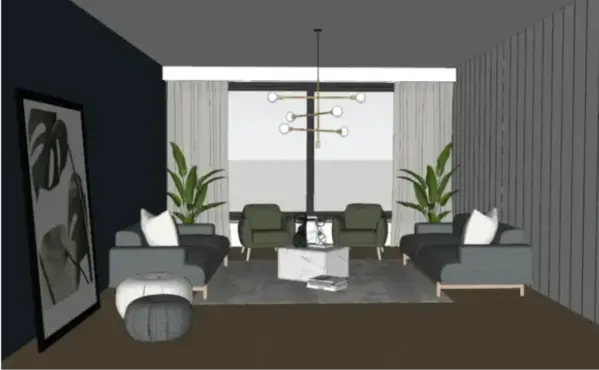
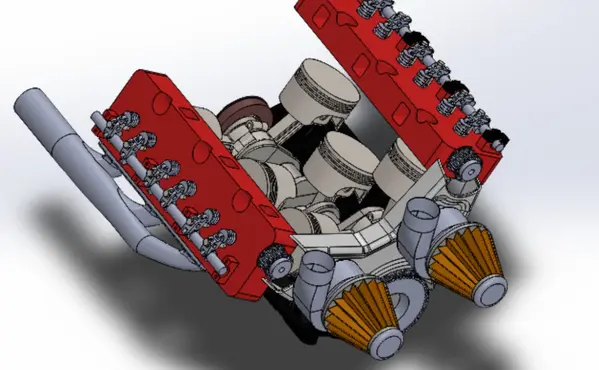
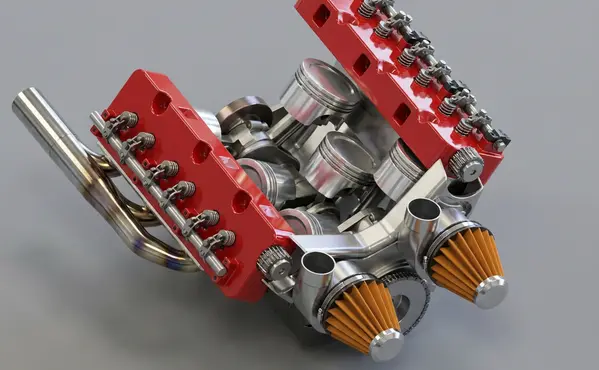
Begin with one clean PNG or JPEG saved or captured from the selected Creo View state. Page media shows general RENDERCAD examples and an Onshape motion example, not Creo View footage, viewables, markups, comparison results, or native output.





Creo View 13.0 is PTC visualization and review software for MCAD and ECAD viewables, assemblies, drawings, images, documents, and product structures. Creo View Express provides unlicensed viewing; Creo View Lite adds limited viewing, markup, and Windchill interoperability; licensed Creo View is configured for MCAD, ECAD, or both. Review, export, comparison, interference, design-check, and animation capabilities depend on the assigned edition, configuration, and optional licenses.
Use this workflow after the published product view has been arranged around a clear review point. An MCAD view might isolate a housing, show an assembly relationship, expose a section, or present an exploded state. An ECAD view might focus on selected PCB layers, components, or a schematic area. Available tools depend on the installed edition and licenses.
RENDERCAD can give that selected state a cleaner background, clearer visual hierarchy, more deliberate lighting, or a presentation-oriented material treatment. Use the result in a review recap, supplier conversation, product overview, training page, or service document. Keep measurements, markups, comparison results, product structure, and engineering decisions in Creo View and the managed source data.
In Creo View, set the orientation and zoom, then show only the structure needed for the discussion. Apply a section, exploded position, visibility change, or appearance override when it clarifies the product state. For ECAD, retain the layers and components that establish context. Decide whether measurements and markups help the image or create clutter.
Where the active edition provides image export, save the prepared view as PNG or JPEG; otherwise make a clean capture with panels and selection highlighting removed. Send the flat image to RENDERCAD with one clearly stated presentation goal. Compare every result with the original view. Return to Creo View for measurements, annotations, comparisons, interference work, animation, or changes to the controlled review state.
This RENDERCAD motion example uses an Onshape model, not Creo View. Generated motion begins with one finished image and does not use the viewable, product structure, saved view, Creo View Animator sequence, or product data.
Mark part of the presentation image and request a visual change to its color, finish, lighting, background, or emphasis. This edits pixels rather than Creo View components, appearance overrides, measurements, or markups.
Try another image model for a cleaner studio view, service-document style, supplier presentation, or product story. Compare each interpretation with the selected Creo View state because component edges and assembly relationships can drift.
| Feature | RENDERCAD | Creo View 13.0 (edition and configuration dependent) |
|---|---|---|
| Engine | Generative image models | PTC product-data visualization and review client for configured MCAD and ECAD viewables |
| Output | Presentation images + optional generated video | BMP, GIF, JPEG, PNG, TGA, and TIFF view images; additional vector, 3D, and animation output depends on edition and licenses |
| Resolution | HD / 4K | Set by the active view and selected image-export settings |
| Image Speed | About 60 seconds | Interactive local viewing; response and export time depend on data size, view state, hardware, and settings |
| Optional motion | Generated image-to-video | Animation playback is available; creating or editing animations requires licensed Creo View with the Animator option |
| Scene Set Up | Flat PNG or JPEG + prompt | Published product structure or viewable with orientation, visibility, appearance, and edition-dependent sections, markups, measurements, or animation |
| Input | One PNG or JPEG | Supported Creo View MCAD or ECAD viewables, drawings, images, and documents, subject to configuration and installed filters |
| Hardware | Cloud processing | 64-bit Windows 11; PTC 13.0 also lists Red Hat Enterprise Linux x64 while marking Linux support deprecated |
| Install | Web app | Installed Creo View desktop client; Windchill interoperability depends on edition and deployment |
| Cost | From $9/mo | Creo View Express requires no license and is described by PTC as free-for-life; Lite, full Creo View, and optional applications require applicable PTC licensing |
Creo View holds the published structure and review information. RENDERCAD interprets one flattened PNG or JPEG and creates separate presentation imagery without access to that product data.
Set orientation, zoom, visibility, color, section, or exploded position around one point. Keep enough neighboring structure for context, then remove panels, selections, temporary markups, or measurements that distract from the image.
 ™
RENDERCAD™
™
RENDERCAD™
Where the edition provides image export, save the view as PNG or JPEG; otherwise capture the selected region with the desktop app. RENDERCAD receives visible pixels rather than a Creo View viewable or review session.
Get StartedCreo View 13.0 editions, review states, image handoff, and optional tools
Express provides basic viewing without a license. Lite provides limited viewing and markup with Windchill interoperability. Licensed Creo View provides the full MCAD- or ECAD-based capability set, subject to its configured licenses.
No. Features vary by edition and MCAD or ECAD configuration. PTC requires additional licenses for MCAD Design Check, Interference Analysis, and Animator, and for ECAD Compare.
PTC's 13.0 prerequisites list 64-bit Windows 11 and qualifying Red Hat Enterprise Linux x64 systems. PTC also marks Linux support deprecated, so deployment decisions should follow the current platform-support matrix.
Open the selected viewable, set the needed orientation, visibility, appearance, section, or exploded state, then save the view as JPEG or PNG where the active edition provides the command. A clean viewport capture is an alternative.
Keep only annotations needed to explain the discussion, and retain the original Creo View annotation set as the review record. Generated imagery should not be used to reproduce or verify dimensions, redlines, tags, labels, or disposition status.
No. Creo View Express, Lite, and full Creo View without the Animator license can play animations. Creating and editing an animation requires licensed Creo View with the Animator option.
No. It receives pixels from one PNG, JPEG, or viewport capture. PVS, PVZ, EDA, product structure, parts, view states, ECAD layers, markups, measurements, comparisons, and animation tracks do not transfer.
Compare it with the selected Creo View state and use the controlled viewable to confirm product details. Return to Creo View or the managed engineering source for geometry, part identity, dimensions, markup disposition, comparison, interference, or validation decisions.