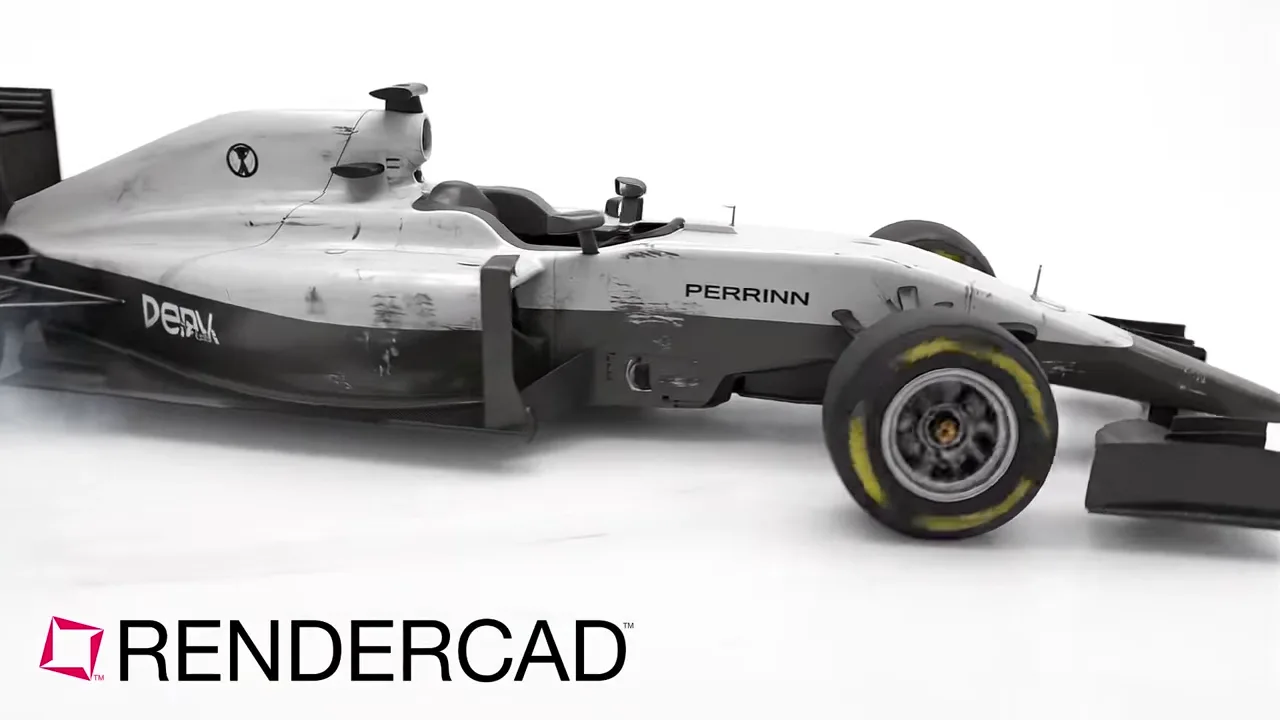
Turn selected eDrawings review views into clear product visuals.
Interactive CAD viewer for reviewing shared eDrawings files, SOLIDWORKS parts and assemblies, and drawing sheets before creating clear product visuals.


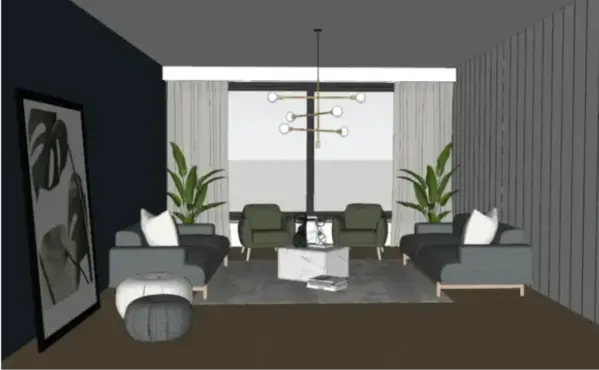

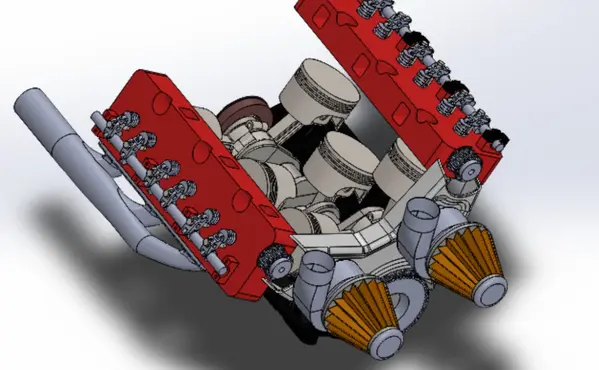
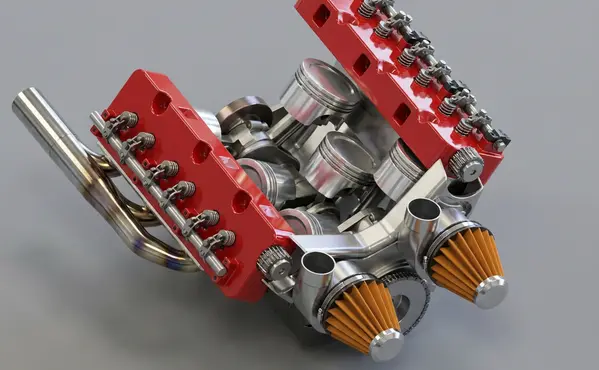


Interactive CAD viewer for reviewing shared eDrawings files, SOLIDWORKS parts and assemblies, and drawing sheets before creating clear product visuals.
SolidWorks eDrawings is a useful review handoff when a SOLIDWORKS part, assembly, or drawing must be understood by people outside the authoring CAD workspace. Reviewers can navigate a shared model, choose a saved configuration or named view, inspect an exploded state, and examine an available section view. That makes the viewer a practical place to agree on the exact story a visual needs to tell: how an assembly fits together, which variant is being discussed, or what hidden internal feature should be visible.
After the engineering team selects that view, capture a clean shaded viewport without temporary comments, selection highlights, dimensions, or UI clutter. RENDERCAD can use the capture as the visual starting point for a polished still suited to a proposal, sales deck, assembly instruction, product page, or design presentation. An exploded assembly can be especially effective when the image needs to explain component relationships, while a controlled section can support a concise cutaway visual. Keep the original eDrawings document as the source for geometry review, markups, measurements, configuration choices, and approval decisions. A render-style output improves communication, but it should not replace the CAD file or drawing for technical verification.
Open the shared eDrawings document and first choose the intended configuration, drawing sheet, named orientation, exploded state, or section view. Frame the model at a readable scale and use a consistent shaded display so the silhouette and component boundaries are clear. Remove review-only markup from the capture unless it is intentionally part of an instructional image. Upload the clean viewport image to RENDERCAD, describe the desired presentation context and materials, and generate a render-style still. Review the result against the eDrawings source before publishing, especially if an exploded position or cutaway must remain easy to interpret. Retain eDrawings for measurements, comments, and engineering signoff; use the final visual for communication rather than dimensional authority.
Modeled by CADSharp in Onshape. Rendered with RENDERCAD.
Add | Change | or Remove referenced objects with the stroke of a brush.
RENDERCAD uses a maintained selection of image-generation models for different rendering tasks. Results can vary by model and input, so compare generated output with the source design before relying on geometry, materials, or dimensions.
| Feature | RENDERCAD | Competitor |
|---|---|---|
| Engine | Generative AI | Varies by tool |
| Output | Images + Video | Varies by tool |
| Resolution | HD / 4K | Varies by workflow |
| Image Speed | Image renders complete in 60 seconds. | Varies by scene/tool |
| Video Speed | Videos complete in 2-5 minutes. | Varies by workflow |
| Scene Set Up | No separate local scene | Varies by workflow |
| Input | Screen Snip | Varies by tool |
| Hardware | Cloud GPU | Often local GPU/CPU |
| Install | None | Varies (web or app) |
| Cost | from $9/mo | Varies widely |
Read the numbers. We trust you to know theirs.
Skip a separate local scene build. Pick a condition, material, and background while RENDERCAD handles the image-generation step. Image renders complete in 60 seconds.
 ™
RENDERCAD™
™
RENDERCAD™
Use the browser workflow directly, capture a selected view with the desktop app, or start from the browser extension.
Get StartedCommon solutions for SolidWorks eDrawings users
Choose the Orbit camera preset and keep the source image as the authority for product shape and visible details. Generated parallax and newly revealed areas can vary.
Use the RENDERCAD Overlay to capture a clear viewport without rebuilding a separate render scene. Image renders complete in 60 seconds.
Yes. A current desktop capture app and browser extension are available, and the browser upload workflow remains available without either tool.
Log into RENDERCAD Studio in a supported browser, upload a clear CAD screenshot or another supported 2D input, and generate an image for review.
Generation runs on cloud infrastructure, so a local rendering GPU is not required. The laptop still needs a supported browser, network access, and enough resources for the source application and image upload.
The core workflow is available in a supported browser and accepts a selected 2D image, so it does not require a rendering plugin in the source application.
The model can reinterpret curves and surface transitions from the 2D input. Compare the result with the source because edges and geometry can drift.
It accepts a clear viewport screenshot, so a separate local material, light, and camera scene is not required for the image-generation workflow.
It lets you describe motion, steam, lighting changes, or atmosphere for a generated clip. Added details may not exist in the source model.
With the Realistic engine selected, use Add Instruction to attach an authorized material image and describe how it should guide the render. The reference guides the generated image; it does not modify the native SolidWorks eDrawings model or guarantee a material match.
Image references and masks are applied during the initial image render. Once you have your styled image, use the Image-to-Video feature to animate it with camera movements.
Yes, if the license permits this use. A stock image can guide a background or environment, while placement and lighting remain generated interpretations.