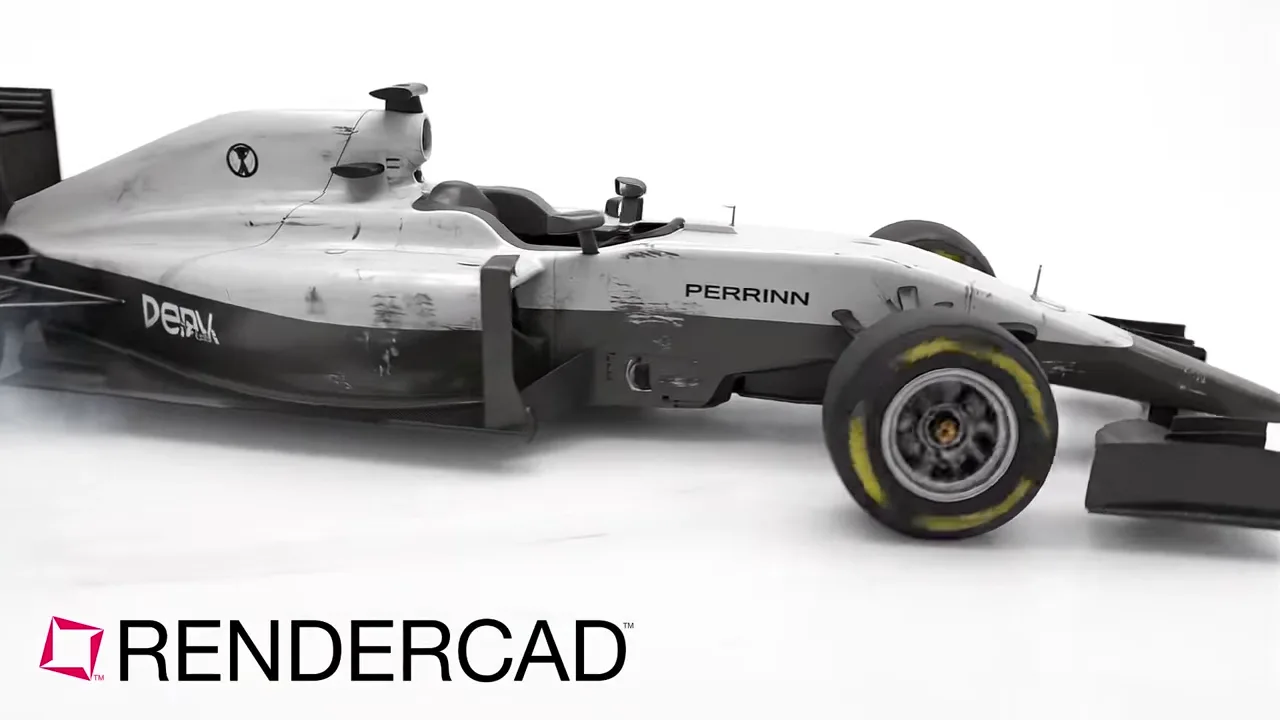
Presentation images from Creo Parametric design views.
Creo Parametric is parametric 3D CAD for mechanical parts and assemblies, with tools for drawings, model-based definition, appearances, saved orientations, and product visualization. Its models often need a clear visual explanation alongside the engineering definition, whether the subject is a molded housing, machined mechanism, sheet metal product, cast component, or configured assembly.


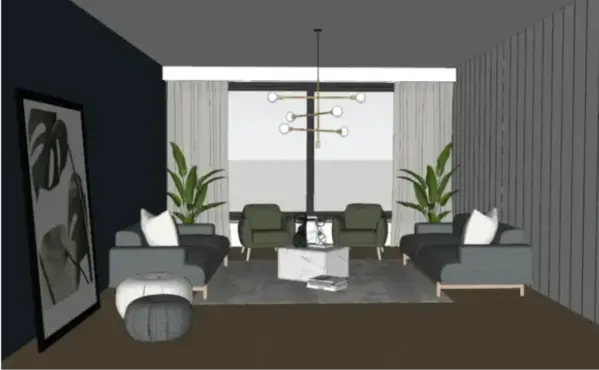

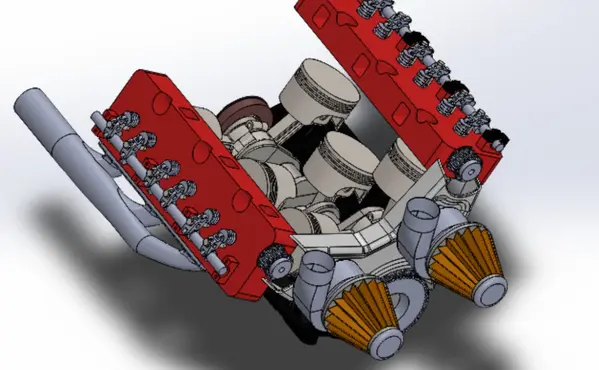
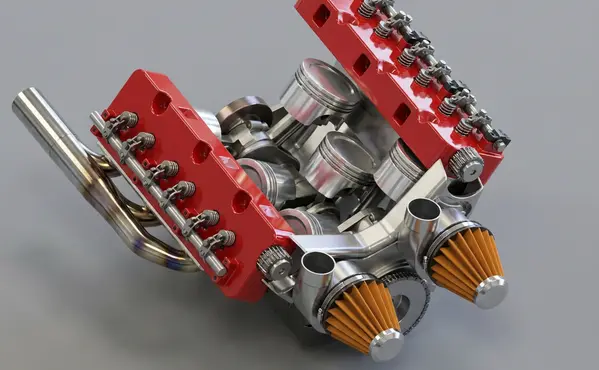


Creo Parametric is parametric 3D CAD for mechanical parts and assemblies, with tools for drawings, model-based definition, appearances, saved orientations, and product visualization. Its models often need a clear visual explanation alongside the engineering definition, whether the subject is a molded housing, machined mechanism, sheet metal product, cast component, or configured assembly.
Creo Parametric teams can use RENDERCAD when an approved design view needs to become a more persuasive presentation image. A clean shaded viewport of an injection-molded enclosure, machined component, sheet metal assembly, cast part, consumer product concept, or exploded mechanism gives the image-generation step a grounded starting point. The most useful captures make the product silhouette, key interfaces, part separation, and intended finish easy to read before any visual treatment is added.
Use the resulting stills for design reviews, supplier conversations, proposal decks, documentation covers, product concept presentations, and early marketing exploration. RENDERCAD can help explore lighting, background, material contrast, and product-focused context without replacing the CAD model. Keep Creo Parametric as the source of truth for parametric geometry, assembly relationships, dimensions, drawings, model-based definition, tolerances, and engineering changes. Do not use a generated image to validate fit, manufacture, or the exact physical appearance of a material.
In Creo Parametric, open the part or assembly and select a saved orientation or a deliberate perspective view that explains the design. For an assembly, an exploded state can clarify component order; for internal features, a section or simplified display may be more useful. Set visible component appearances and colors that identify the intended materials, then hide datums, dimensions, annotations, construction geometry, and unrelated components before capturing a high-resolution viewport.
Give RENDERCAD the capture with a concise direction for the audience and visual intent, such as a studio product shot, an engineering review image, or a clean catalog-style composition. Check the output against the Creo view before sharing it, especially where fasteners, seams, joints, labels, and component boundaries matter. Use Creo Render Studio when the work requires its native scene, appearance, lighting, or render controls. Use RENDERCAD as a separate image-generation step from an approved Creo design view; route API implementation questions to RENDERCAD developer documentation.
Modeled by CADSharp in Onshape. Rendered with RENDERCAD.
Add | Change | or Remove referenced objects with the stroke of a brush.
RENDERCAD uses a maintained selection of image-generation models for different rendering tasks. Results can vary by model and input, so compare generated output with the source design before relying on geometry, materials, or dimensions.
| Feature | RENDERCAD | Competitor |
|---|---|---|
| Engine | Generative AI | Varies by tool |
| Output | Images + Video | Varies by tool |
| Resolution | HD / 4K | Varies by workflow |
| Image Speed | Image renders complete in 60 seconds. | Varies by scene/tool |
| Video Speed | Videos complete in 2-5 minutes. | Varies by workflow |
| Scene Set Up | No separate local scene | Varies by workflow |
| Input | Screen Snip | Varies by tool |
| Hardware | Cloud GPU | Often local GPU/CPU |
| Install | None | Varies (web or app) |
| Cost | from $9/mo | Varies widely |
Read the numbers. We trust you to know theirs.
Skip a separate local scene build. Pick a condition, material, and background while RENDERCAD handles the image-generation step. Image renders complete in 60 seconds.
 ™
RENDERCAD™
™
RENDERCAD™
Use the browser workflow directly, capture a selected view with the desktop app, or start from the browser extension.
Get StartedCommon solutions for Creo Parametric users
Provide a material reference or describe the intended scale, then compare the result with known dimensions and the source model.
Yes, if you are authorized to use them. Catalog images can guide a visual direction, but generated quality and product fidelity vary.
Image references and masks are applied during the initial image render. Once you have your styled image, use the Image-to-Video feature to animate it with camera movements.
Yes. Use authorized previous renders as style references, then review the new output because visual consistency can vary.
Capture the model, describe the wood species and grain direction, and add an authorized material reference when needed. Generated grain varies and should be reviewed for scale and orientation.
Upload a CAD screenshot, real photo, or hand drawing and describe warm golden-hour light and the intended direction. Review the generated color and shadows because the interpretation can vary.
Videos complete in 2-5 minutes.
Yes. RENDERCAD's Render Studio works on Safari or Chrome on Mac, allowing you to turn CAD screenshots, real photos, and hand drawings into pro renders easily.
Generating images or videos consumes credits. Your balance refreshes monthly based on your subscription plan.
RENDERCAD is standalone. You don't need a Creo Parametric rendering license - just the ability to view your model on screen.
RENDERCAD can place a clear viewport capture into a described lifestyle environment, such as a kitchen or office, and produce options for review.
The screenshot workflow uses image inputs, presets, and plain-language direction. Teams should still review generated output with the appropriate designer or product owner.