Presentation render concepts from OpenBridge bridge-model views.
Bentley OpenBridge Designer is a bridge engineering environment for creating and coordinating physical and analytical models, then developing design, detailing, documentation, and visualization deliverables for steel and concrete bridges. Its model-centric workflow can bring together bridge geometry with roadway approaches, terrain, access ramps, and related infrastructure context. A carefully composed 3D view is therefore useful beyond technical coordination: it can show how a proposed crossing sits in its corridor, how a superstructure meets its substructure, or how a bridge option reads from a public or project-facing viewpoint.





Bentley OpenBridge Designer is a bridge engineering environment for creating and coordinating physical and analytical models, then developing design, detailing, documentation, and visualization deliverables for steel and concrete bridges. Its model-centric workflow can bring together bridge geometry with roadway approaches, terrain, access ramps, and related infrastructure context. A carefully composed 3D view is therefore useful beyond technical coordination: it can show how a proposed crossing sits in its corridor, how a superstructure meets its substructure, or how a bridge option reads from a public or project-facing viewpoint.
Bentley OpenBridge supports model-based bridge engineering across physical and analytical models for steel and concrete structures. RENDERCAD is useful when the team needs a clear visual explanation of an approved design view rather than a dense engineering viewport. Start with a perspective that answers a practical question: how a river crossing relates to its banks and approaches, how a highway overpass frames an interchange, how a viaduct spans a valley, or how piers, abutments, deck, and bearings read together at a review scale. The resulting render can support design-option discussions, public-facing proposal material, stakeholder reviews, and bid or planning presentations. It can also help communicate early landscape, daylight, material, and atmosphere directions around a bridge model. Do not use a generated image to validate clearance, drainage, reinforcement, load behavior, construction staging, quantities, or code compliance. OpenBridge remains the source of truth for bridge geometry, analysis, detailing, coordinated data, and issued deliverables.
In OpenBridge, save a 3D perspective centered on the decision being communicated: span arrangement, roadway approach, deck profile, support layout, site crossing, or alternative alignment. Keep enough terrain, road geometry, water, or adjacent context to establish scale, but isolate the bridge elements that matter most. Hide dimensions, grids, temporary reference geometry, analytical displays, clash markers, and annotations that do not belong in a presentation image. Capture the clean viewport and use RENDERCAD to explore lighting, materials, vegetation, weather, and camera-level atmosphere while preserving the approved bridge composition. Review the result against the OpenBridge view before presenting it, especially where the image could be mistaken for construction information. Return to OpenBridge for revisions, engineering checks, drawing production, reports, and formal documentation. For repeatable visual workflows based on approved views, see RENDERCAD developer documentation.
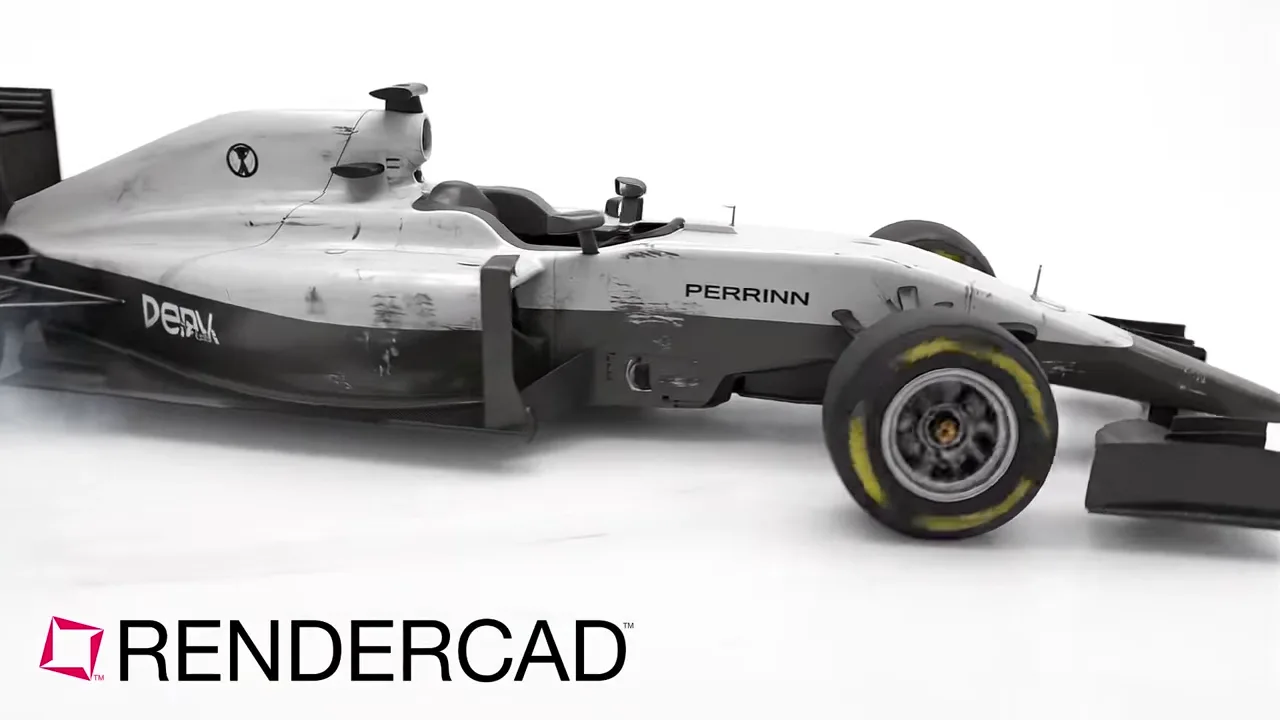
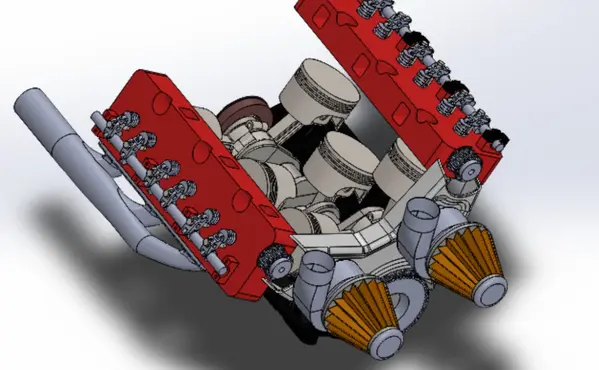
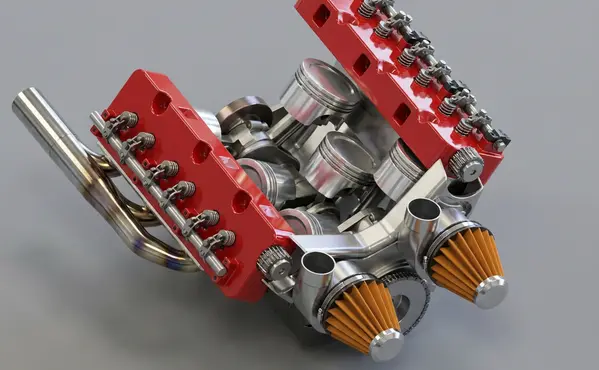
Modeled by CADSharp in Onshape. Rendered with RENDERCAD.
Add | Change | or Remove referenced objects with the stroke of a brush.
RENDERCAD uses a maintained selection of image-generation models for different rendering tasks. Results can vary by model and input, so compare generated output with the source design before relying on geometry, materials, or dimensions.
| Feature | RENDERCAD | Competitor |
|---|---|---|
| Engine | Generative AI | Varies by tool |
| Output | Images + Video | Varies by tool |
| Resolution | HD / 4K | Varies by workflow |
| Image Speed | Image renders complete in 60 seconds. | Varies by scene/tool |
| Video Speed | Videos complete in 2-5 minutes. | Varies by workflow |
| Scene Set Up | No separate local scene | Varies by workflow |
| Input | Screen Snip | Varies by tool |
| Hardware | Cloud GPU | Often local GPU/CPU |
| Install | None | Varies (web or app) |
| Cost | from $9/mo | Varies widely |
Read the numbers. We trust you to know theirs.
Skip a separate local scene build. Pick a condition, material, and background while RENDERCAD handles the image-generation step. Image renders complete in 60 seconds.
 ™
RENDERCAD™
™
RENDERCAD™
Use the browser workflow directly, capture a selected view with the desktop app, or start from the browser extension.
Get StartedCommon solutions for Bentley OpenBridge users
Yes. You can add up to six authorized reference images per render and provide instructions or masks for targeted direction.
Image references and masks are applied during the initial image render. Once you have your styled image, use the Image-to-Video feature to animate it with camera movements.
Photograph an authorized prototype or sample and use it as a material reference. Verify color, texture scale, gloss, and product fidelity because generated output will not match reality exactly.
Upload a clear image or use a current capture tool, describe carbon fiber, and add an authorized material reference when a specific visual direction matters. Image renders complete in 60 seconds.
Upload a CAD screenshot, real photo, or hand drawing and describe warm golden-hour light and the intended direction. Review the generated color and shadows because the interpretation can vary.
RENDERCAD videos are generated at 720p.
Yes. RENDERCAD's Render Studio works on Safari or Chrome on Mac, allowing you to turn CAD screenshots, real photos, and hand drawings into pro renders easily.
Generating images or videos consumes credits. Your balance refreshes monthly based on your subscription plan.
Prompt "1950s appliance style, retro photography."
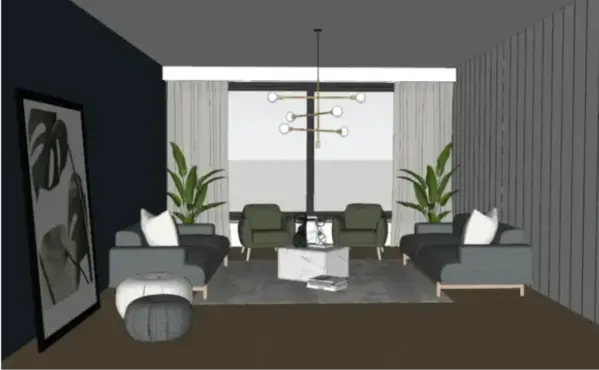
RENDERCAD can place a clear viewport capture into a described lifestyle environment, such as a kitchen or office, and produce options for review.
The screenshot workflow uses image inputs, presets, and plain-language direction. Teams should still review generated output with the appropriate designer or product owner.
Use a condition preset or regional instruction to explore dust, scratches, or age. Generated wear patterns do not predict real product use.