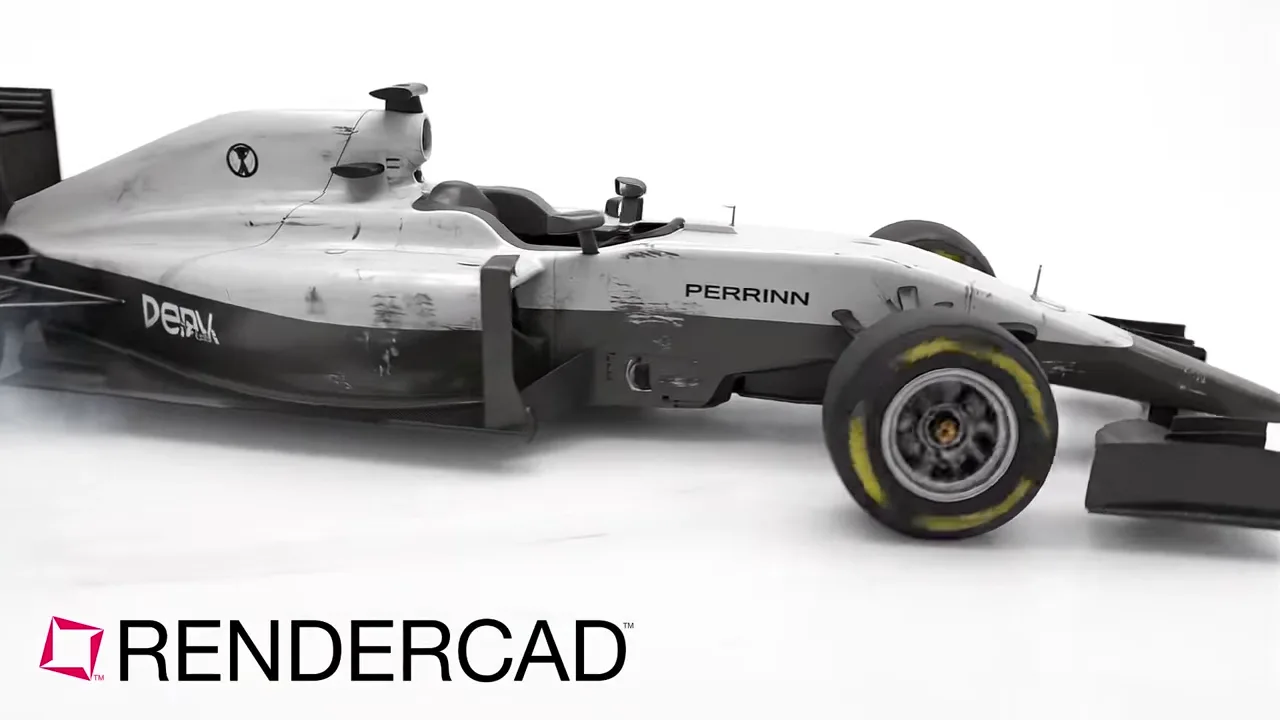
Develop clear Bentley LumenRT infrastructure views for presentations.
Bentley LumenRT is real-time visualization software for bringing infrastructure CAD and BIM models into contextual images, videos, and interactive presentations. Its workflow supports synchronized scenes from design applications and can add digital nature, lighting, weather, water, traffic, people, and motion to communicate how a proposed road, bridge, rail route, station, or site may appear in context.


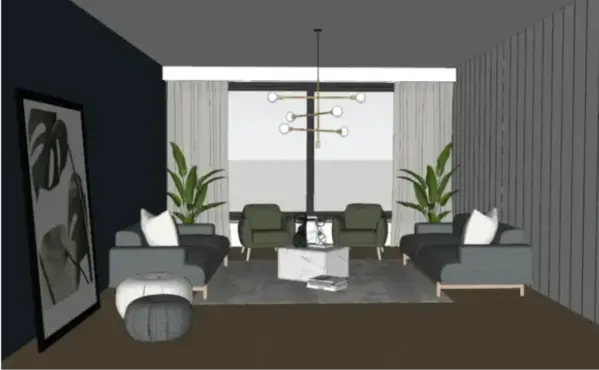



Bentley LumenRT is real-time visualization software for bringing infrastructure CAD and BIM models into contextual images, videos, and interactive presentations. Its workflow supports synchronized scenes from design applications and can add digital nature, lighting, weather, water, traffic, people, and motion to communicate how a proposed road, bridge, rail route, station, or site may appear in context.
Bentley LumenRT helps infrastructure teams turn a prepared CAD or BIM model into an understandable visual scene. It is especially useful for a road alignment, bridge crossing, rail corridor, station approach, streetscape, flood or waterfront scheme, or landscape-led site where context, seasonal planting, traffic, water, and daylight help a non-technical audience read the proposal. RENDERCAD can extend a chosen LumenRT still when the team needs to test a clearer presentation direction for a consultation board, planning image, design review, or client deck. Start with a deliberate LumenRT camera, because its viewpoint, model geometry, and scene layout give the result its engineering basis. Then use RENDERCAD to explore an image treatment such as calmer overcast light, a warmer evening atmosphere, more coherent planting, refined surface appearance, or a less distracting background. The output is best treated as a presentation visual, not as evidence of construction detail, quantities, approvals, or site conditions.
Create or synchronize the design scene in LumenRT from the project model, then choose one camera that explains the decision at stake: a driver's approach to an interchange, a pedestrian view of a station, a bridge from the riverbank, or a streetscape at eye level. Set the model, terrain, digital nature, lighting, and any animated context needed for that specific view, then hide interface panels, selection outlines, temporary objects, and confidential annotations before taking a clean still. Upload the selected image to RENDERCAD with a focused brief that identifies the elements that must remain legible and the visual direction to explore. Review the result beside the LumenRT source view, retaining LumenRT and the underlying CAD or BIM model as the source of truth for geometry, alignment, clearances, and design changes. Use approved presentation stills in stakeholder material where an illustrative visual is appropriate, while returning to the source model for technical decisions.
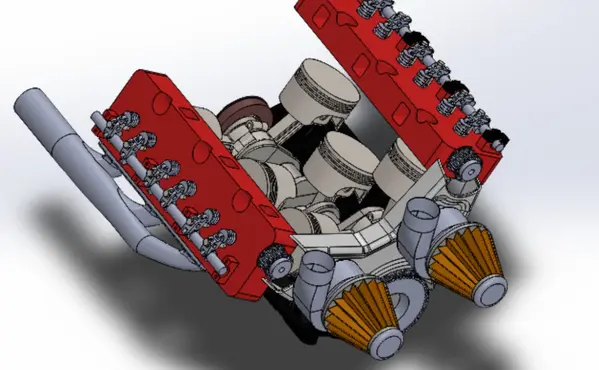
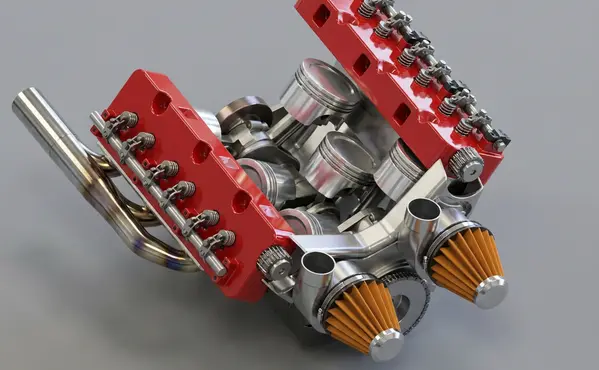
Modeled by CADSharp in Onshape. Rendered with RENDERCAD.
Add | Change | or Remove referenced objects with the stroke of a brush.
RENDERCAD uses a maintained selection of image-generation models for different rendering tasks. Results can vary by model and input, so compare generated output with the source design before relying on geometry, materials, or dimensions.
| Feature | RENDERCAD | Bentley LumenRT |
|---|---|---|
| Engine | Generative AI | Real-time visualization for infrastructure CAD/BIM scenes with digital nature, lighting, animation, and interactive presentation tools |
| Output | Images + Video | Infrastructure images, videos, animations, LiveCubes, and Web Project Tours |
| Resolution | HD / 4K | Image and video output settings are selected for the scene and presentation workflow |
| Image Speed | Image renders complete in 60 seconds. | Designed for real-time visualization; export time varies with scene content, effects, settings, and hardware |
| Video Speed | Videos complete in 2-5 minutes. | Animation output time varies with sequence length, scene content, effects, settings, and hardware |
| Scene Set Up | No separate local scene | CAD/BIM scene prepared with a camera, context, digital nature, lighting, and optional animated elements before presentation output |
| Input | Screen Snip | CAD/BIM scenes, including synchronized workflows from MicroStation, Revit, and SketchUp |
| Hardware | Cloud GPU | Infrastructure visualization software used with CAD, GIS, and BIM workflows |
| Install | None | Software access and licensing are required for the LumenRT workflow |
| Cost | from $9/mo | Licensing options and terms vary by region and purchase path |
Read the numbers. We trust you to know theirs.
Skip a separate local scene build. Pick a condition, material, and background while RENDERCAD handles the image-generation step. Image renders complete in 60 seconds.
 ™
RENDERCAD™
™
RENDERCAD™
Use the browser workflow directly, capture a selected view with the desktop app, or start from the browser extension.
Get StartedCommon solutions for Bentley LumenRT users
Generating images or videos consumes credits. Your balance refreshes monthly based on your subscription plan.
Prompt "1950s appliance style, retro photography."
RENDERCAD can place a clear viewport capture into a described lifestyle environment, such as a kitchen or office, and produce options for review.
The screenshot workflow uses image inputs, presets, and plain-language direction. Teams should still review generated output with the appropriate designer or product owner.
Use a condition preset or regional instruction to explore dust, scratches, or age. Generated wear patterns do not predict real product use.
A supported browser can submit a clear 2D input without a local rendering GPU.
The current desktop app or browser extension can capture a selected view and send the screenshot into RENDERCAD without a CAD rendering plugin.
Yes. You can add up to six authorized reference images per render and provide instructions or masks for targeted direction.
Yes. Mask each region and assign an authorized texture reference or instruction. Review material boundaries, scale, and product fidelity after generation.
Set up masks for each customizable component. Swap material references for each masked region to quickly visualize different product configurations.
Use a clear capture, choose the Factory New condition, and describe the intended plastic type, color, and finish. Review the generated surface because gloss, texture, and molded details can vary.
Upload a clear image, choose the Realistic engine, and describe a large soft light source or overcast lighting. Generated shadows are visual approximations, not a physical lighting calculation.