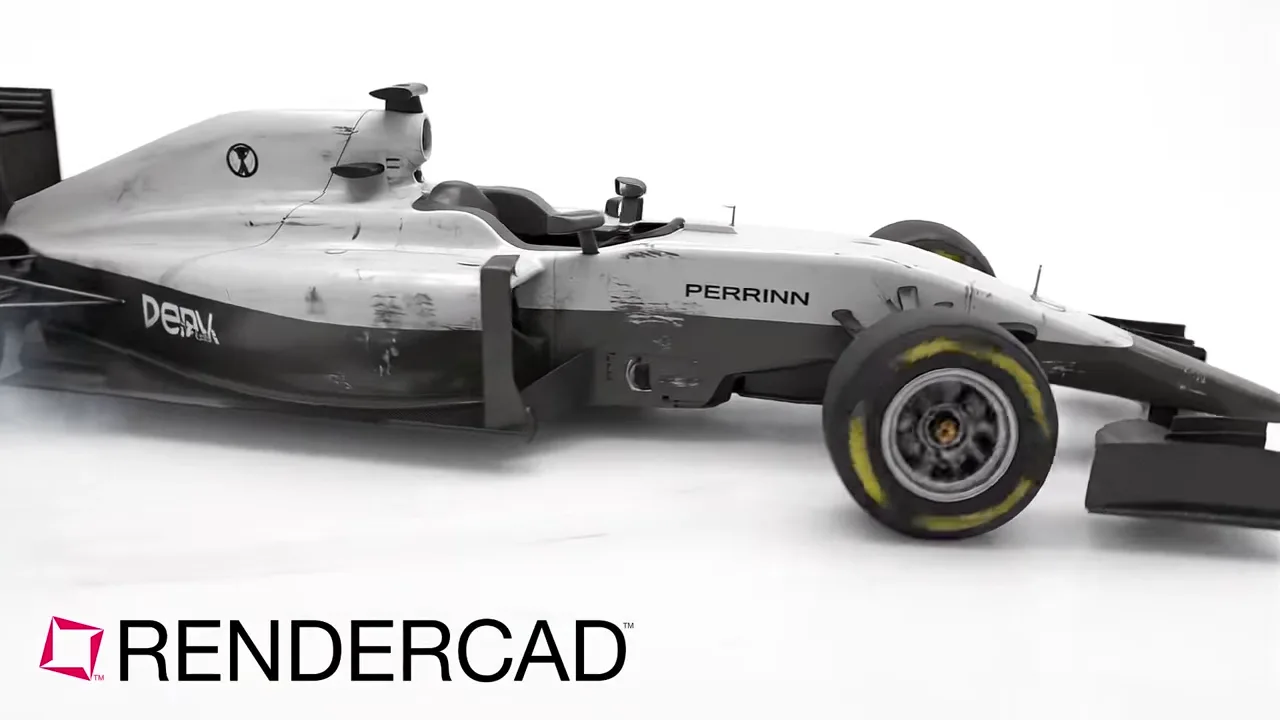
Turn MicroStation DGN views into clearer infrastructure presentation visuals.
Infrastructure CAD software for creating, modeling, documenting, and visualizing DGN-based 2D and 3D design information, including referenced design data and real-world context.


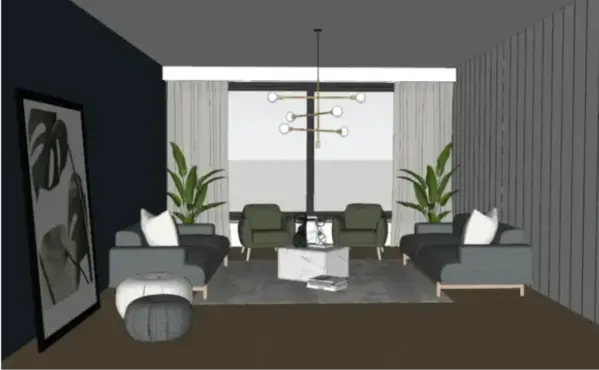

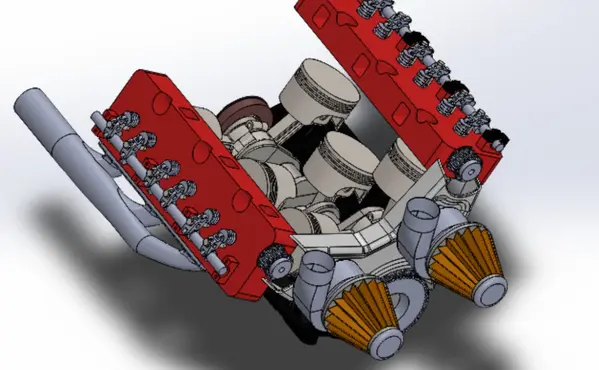
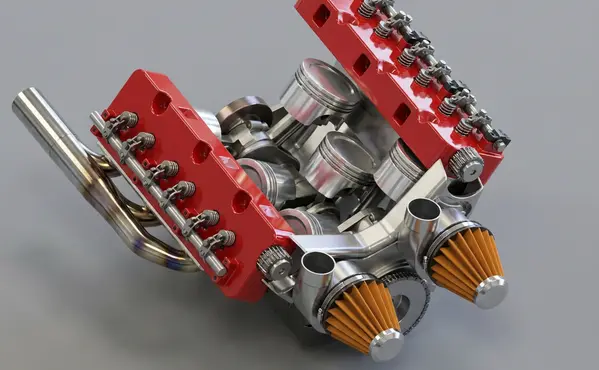


Infrastructure CAD software for creating, modeling, documenting, and visualizing DGN-based 2D and 3D design information, including referenced design data and real-world context.
Bentley MicroStation is used by infrastructure teams to create precise 2D drawings and 3D design models for projects such as bridges, road corridors, rail facilities, utilities, stations, sites, and building assets. A DGN view may also bring together referenced 2D or 3D design content, DWG data, imagery, or point-cloud context. RENDERCAD is most useful once a MicroStation camera view already communicates the proposed condition but needs to be easier for a non-CAD audience to read. Start with a perspective, elevation, or carefully composed orthographic view of the relevant asset, then use RENDERCAD to explore a more presentation-ready treatment with clearer materials, lighting, planting, sky, and surrounding context. The resulting image can support a proposal, design review, planning discussion, public meeting, or project update. It is a communication layer, not a replacement for the DGN model, engineering documentation, dimensions, or approved project data maintained in MicroStation.
Open the DGN model in MicroStation and prepare a saved view that tells one clear infrastructure story. If the model includes referenced files or existing-condition context, show only the content needed to explain the proposed bridge span, interchange, station platform, utility facility, streetscape, facade, or site. Set the view orientation and display style, then hide levels, dimensions, selection highlights, dialogs, and temporary markup that do not belong in a presentation image. Capture a clean viewport at a useful scale and send that image to RENDERCAD with direction about the intended material character, season, lighting, or level of activity. Review the generated image against the source view before using it in a deck or stakeholder communication. Return to MicroStation for any design, measurement, coordination, or documentation decision, since the DGN file and its controlled project data remain the source of truth.
Modeled by CADSharp in Onshape. Rendered with RENDERCAD.
Add | Change | or Remove referenced objects with the stroke of a brush.
RENDERCAD uses a maintained selection of image-generation models for different rendering tasks. Results can vary by model and input, so compare generated output with the source design before relying on geometry, materials, or dimensions.
| Feature | RENDERCAD | Competitor |
|---|---|---|
| Engine | Generative AI | Varies by tool |
| Output | Images + Video | Varies by tool |
| Resolution | HD / 4K | Varies by workflow |
| Image Speed | Image renders complete in 60 seconds. | Varies by scene/tool |
| Video Speed | Videos complete in 2-5 minutes. | Varies by workflow |
| Scene Set Up | No separate local scene | Varies by workflow |
| Input | Screen Snip | Varies by tool |
| Hardware | Cloud GPU | Often local GPU/CPU |
| Install | None | Varies (web or app) |
| Cost | from $9/mo | Varies widely |
Read the numbers. We trust you to know theirs.
Skip a separate local scene build. Pick a condition, material, and background while RENDERCAD handles the image-generation step. Image renders complete in 60 seconds.
 ™
RENDERCAD™
™
RENDERCAD™
Use the browser workflow directly, capture a selected view with the desktop app, or start from the browser extension.
Get StartedCommon solutions for Bentley MicroStation users
Image references and masks are applied during the initial image render. Once you have your styled image, use the Image-to-Video feature to animate it with camera movements.
When a client provides an image they are authorized to use, attach it with a concise instruction describing the relevant lighting, material, palette, or composition. Review the generated interpretation with the client.
While RENDERCAD generates full rectangular images, you can set the Background to "White" or "Grey" in Advanced Settings for easy masking in post-production.
Choose the Dusty condition and describe the intended atmosphere. Generated dust is illustrative, so review how it affects important product details.
Start from an image that clearly shows the existing separated components, then choose the Exploded View product motion. Review the clip against the source because generated motion can alter part boundaries or relationships.
Use the RENDERCAD Overlay to capture a clear viewport without rebuilding a separate render scene. Image renders complete in 60 seconds.
Yes. A current desktop capture app and browser extension are available, and the browser upload workflow remains available without either tool.
Add a familiar scale cue such as a person, hand, or furniture item, then verify the generated relationship against known dimensions in the source model.
Generation runs on cloud infrastructure, so a local rendering GPU is not required. The laptop still needs a supported browser, network access, and enough resources for the source application and image upload.
The core workflow is available in a supported browser and accepts a selected 2D image, so it does not require a rendering plugin in the source application.
The model can reinterpret curves and surface transitions from the 2D input. Compare the result with the source because edges and geometry can drift.
It accepts a clear viewport screenshot, so a separate local material, light, and camera scene is not required for the image-generation workflow.