
Turn a clean Bentley Navigator review view into a clearer presentation image.
Start with a flat PNG or JPG. Page media shows general RENDERCAD examples, not Bentley Navigator footage, interface screens, or i-model files.





Bentley Navigator is legacy i-model review and coordination software, not an authoring tool. Its saved views retain camera location and orientation plus displayed categories and models. Navigator CONNECT Edition and Navigator Mobile are in Expiring Support; Bentley lists 10.02.01.124 as the final Navigator update.
Use this workflow after a review team has identified the condition it needs to explain. A clean Navigator view can show clearance around a bridge support, the relationship between rail and utilities, a plant routing concern, or an interface between building systems with enough surrounding context to make the issue understandable.
The resulting presentation image can support a design review, owner update, issue summary, proposal, or public explanation. It does not replace the i-model review. Return to the Bentley review environment for geometry, properties, clashes, issues, markups, measurements, revisions, and approvals. Only visible pixels enter RENDERCAD; none of this transfers as structured or authoritative project data.
Open the relevant i-model and choose the saved view, section, or coordination condition that explains the decision. Confirm the intended project state, isolate the useful disciplines, and keep enough model context to provide visual scale and orientation cues. Hide panels, selections, temporary markup, and measurements unless they are essential to what the audience needs to see.
Capture a clean view and provide it to RENDERCAD as PNG or JPG. Describe one communication goal, such as a restrained review visual or a clearer stakeholder image. Compare the result with the approved source view, and return to the Bentley environment whenever the model, review record, or technical decision needs to change.
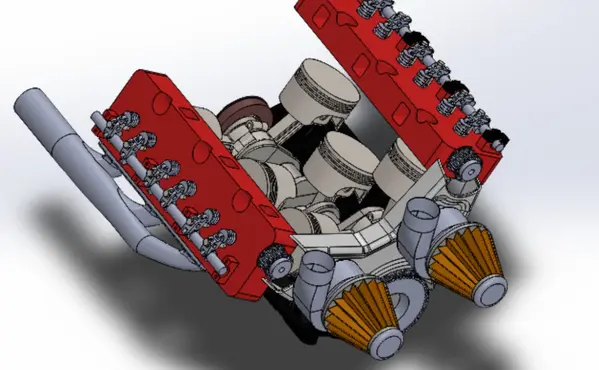
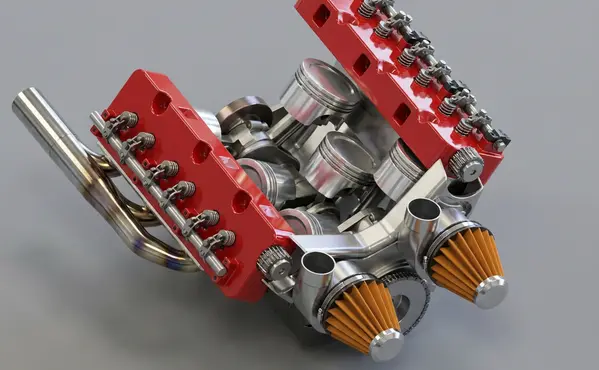
This example uses an Onshape model, not Bentley Navigator. Generated motion begins with a finished presentation still, not an i-model or saved view.
Brush over part of the generated still and describe the visual change. This edits the presentation image; it does not alter the i-model, saved view, review items, markup, measurements, or project record.
Explore a clearer atmosphere, background, or presentation treatment for the intended audience. Compare every result with the approved Navigator view before using it to explain the reviewed condition.
| Feature | RENDERCAD | Bentley Navigator (legacy) |
|---|---|---|
| Engine | Generative image models | Interactive i-model review and coordination tools |
| Output | Images + optional video | Review views with saved camera, categories, and models |
| Resolution | HD / 4K | Viewport capture resolution depends on display and capture settings |
| Image Speed | About 60 seconds | Interactive viewport performance depends on model complexity and hardware |
| Motion output | Generated image-to-video | Not a presentation image-to-video workflow |
| Scene Set Up | Flat image + prompt | Open the i-model, select the relevant saved view, filter model content, and prepare a clean review view |
| Input | PNG or JPG | Primarily published i-models; CONNECT also opened or converted VUE, RVM, DGN, and DWG subject to documented requirements |
| Hardware | Cloud processing | Legacy desktop and mobile review applications |
| Install | Web app | An existing legacy Navigator installation and project-data access are required |
| Cost | From $9/mo | Legacy product; no current public price listed |
Navigator is the review environment for the i-model and its project context. RENDERCAD starts from a flat image and creates a presentation still or optional generated video.
Choose the saved view or coordination condition that carries the message. Keep the affected element, useful disciplines, orientation, and visual scale cues readable, then remove interface clutter that the audience does not need.
 ™
RENDERCAD™
™
RENDERCAD™
Upload a PNG or JPG in the browser, or capture the selected Navigator view with the desktop app. The browser extension applies only to browser content. RENDERCAD does not open i-models or Navigator project data.
Get StartedBentley Navigator files, review views, and output
No. RENDERCAD accepts a flat PNG or JPG. The i-model, element properties, clashes, issues, markups, measurements, revisions, approvals, and saved-view data do not enter the image workflow.
Use the saved view, section, or coordination condition that explains one clear point. Show the affected element and enough surrounding model context to provide orientation and visual scale cues, then verify exact measurements in Bentley.
Keep them only when the audience needs them to understand the condition. Otherwise, hide panels, selections, temporary markup, and measurements before capture so the presentation image starts from a clean, readable view.
Keep the disciplines and nearby assets needed to explain the condition, then filter unrelated content. A useful capture shows why the location matters without making the viewer search through the full coordination model.
No. It is a presentation image, not an i-model view or project record. Verify geometry, properties, clashes, issues, status, markup, measurements, revisions, and approvals in the Bentley review environment.
No. RENDERCAD helps present a selected flat view. Use Navigator or the current Bentley review workflow for navigation, model data, coordination, issue handling, measurements, and technical decisions.
RENDERCAD can create optional generated image-to-video motion from a finished still. It is not Navigator navigation or a model-based camera path, and details can change because the motion begins from one flat image.
Navigator CONNECT Edition and Mobile are in Expiring Support; 10.02.01.124 is the final listed update, and V8i support ended in 2020. Bentley's notice points to iTwin Design Review; current materials describe ProjectWise Design Review as iTwin-powered, with SYNCHRO Field for mobile work and Bentley View for simple viewing.