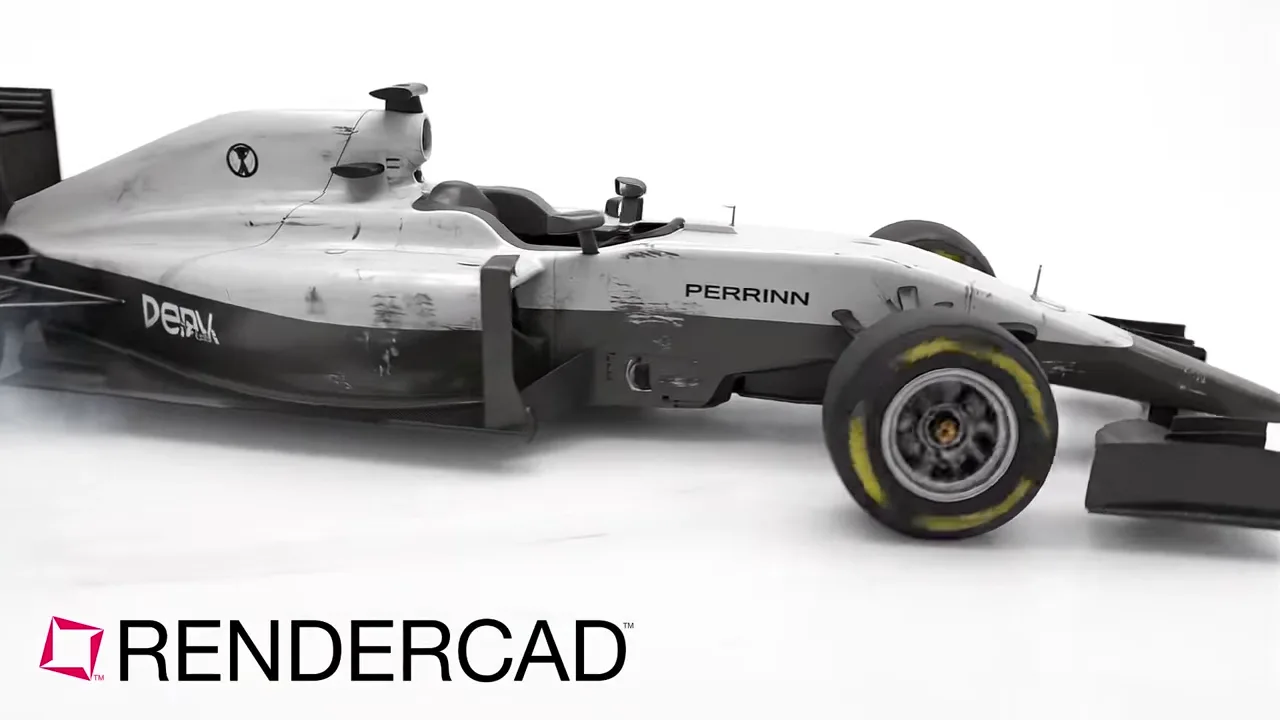
Clearer presentation renders from Bentley civil utility and drainage views.
Presentation rendering for Bentley civil utility views that bring existing services, proposed drainage, terrain, and roadway context into a single readable project image.


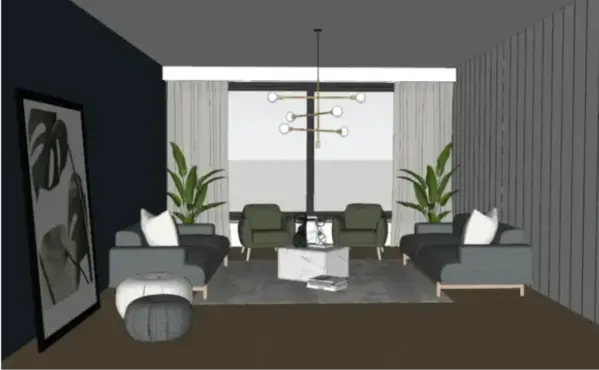

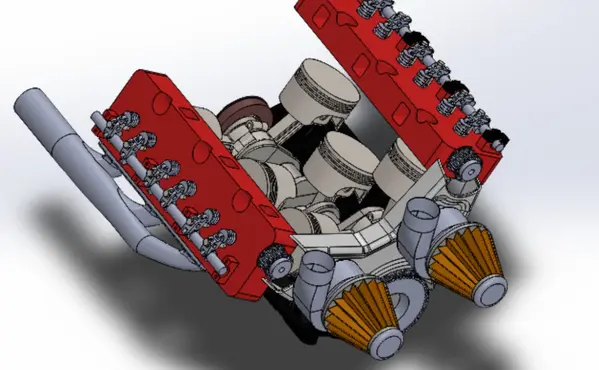
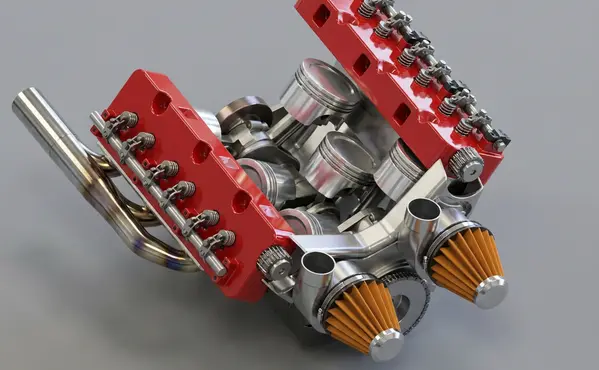


Presentation rendering for Bentley civil utility views that bring existing services, proposed drainage, terrain, and roadway context into a single readable project image.
Bentley subsurface utility workflows bring existing utilities, proposed drainage, structures, terrain, and roadway geometry together so civil teams can understand a corridor before work reaches the field. That information can be technically rich but difficult to explain in a standard 3D design view, especially at a road crossing, drainage outfall, service relocation, or congested tie-in. RENDERCAD can turn a deliberately framed viewport capture into a clearer presentation image that emphasizes the route, apparent depth relationship, key structures, and nearby site features. Use it for design-review boards, public-facing project narratives, proposal graphics, and discussions with non-specialist stakeholders. It is useful when the image must explain a selected design condition, not every object in the model. The Bentley model, survey control, utility records, profiles, clash checks, hydraulic results, and construction documents remain the source of truth; RENDERCAD does not validate utility locations, cover, conflicts, connectivity, or engineering compliance.
In the Bentley civil model, isolate one decision area: a roadway crossing, existing-versus-proposed relocation, drainage connection, or dense utility corridor. Frame an oblique 3D view that retains terrain, roadway edges, a few relevant structures, and only the utility systems needed to establish the story. A cutaway or transparent ground treatment can help show buried routes, but avoid a view where every network is visible at once. Remove temporary handles, selection graphics, and dense annotation while keeping purposeful colors or linework that distinguish existing from proposed elements. Capture the prepared viewport and use RENDERCAD to explore a polished still image with clear foreground, context, and visual hierarchy. Review the output against the Bentley view before sharing it, and return to the engineering model for any dimension, depth, quantity, or coordination decision.
Modeled by CADSharp in Onshape. Rendered with RENDERCAD.
Add | Change | or Remove referenced objects with the stroke of a brush.
RENDERCAD uses a maintained selection of image-generation models for different rendering tasks. Results can vary by model and input, so compare generated output with the source design before relying on geometry, materials, or dimensions.
| Feature | RENDERCAD | Competitor |
|---|---|---|
| Engine | Generative AI | Varies by tool |
| Output | Images + Video | Varies by tool |
| Resolution | HD / 4K | Varies by workflow |
| Image Speed | Image renders complete in 60 seconds. | Varies by scene/tool |
| Video Speed | Videos complete in 2-5 minutes. | Varies by workflow |
| Scene Set Up | No separate local scene | Varies by workflow |
| Input | Screen Snip | Varies by tool |
| Hardware | Cloud GPU | Often local GPU/CPU |
| Install | None | Varies (web or app) |
| Cost | from $9/mo | Varies widely |
Read the numbers. We trust you to know theirs.
Skip a separate local scene build. Pick a condition, material, and background while RENDERCAD handles the image-generation step. Image renders complete in 60 seconds.
 ™
RENDERCAD™
™
RENDERCAD™
Use the browser workflow directly, capture a selected view with the desktop app, or start from the browser extension.
Get StartedCommon solutions for Bentley Subsurface Utilities users
Mask visible components separately when they need different material or color direction. Keep the source model or drawing beside the output because generated boundaries and part relationships can drift.
Yes. Mask a region, then assign a specific reference image just to that masked area. Other areas can have different references or default to the prompt.
Upload a clear image, describe denim, cotton, velvet, or another fabric, and add a material reference when available. Check the generated weave scale and direction against the intended product.
Choose a suitable background and describe a reflective floor. Inspect the generated reflection for alignment, product fidelity, and unintended details.
Yes, use the "Details" field in the video tab to describe elements like "Steam rising" or "Lights flickering."
If the source viewport is visible but a local renderer fails, capture a clear screenshot and use it as a RENDERCAD input. Image renders complete in 60 seconds.
Yes. Upload a photo of a foam model and prompt "Finished plastic product" to visualize the final look.
Use the Realistic engine with a clear input, a specific material description, and a suitable background or reference. Results vary, so review the output against the source product.
Image renders complete in 60 seconds.
Generation runs on cloud infrastructure, so a local rendering GPU is not required. The device still needs sufficient resources for the source application, browser, and network connection.
Context prompts can provide a visual scale cue, but the source model and known dimensions remain authoritative. Do not infer measurements from generated imagery.
RENDERCAD starts from a 2D image and uses generated material and environment direction. Built-in renderers may provide direct scene, geometry, lighting, and material control.