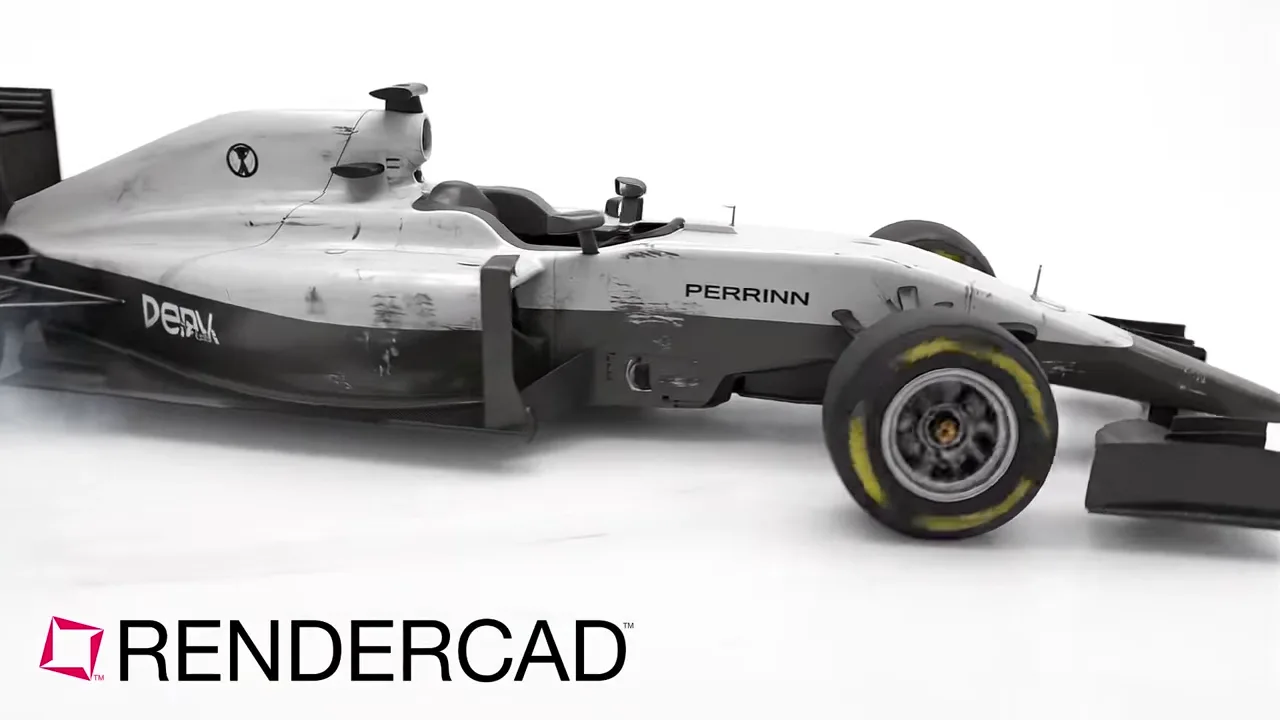
Create presentation visuals from Bentley point-cloud and reality-mesh views.
Presentation visuals from Bentley point-cloud and reality-mesh views that communicate existing infrastructure conditions.


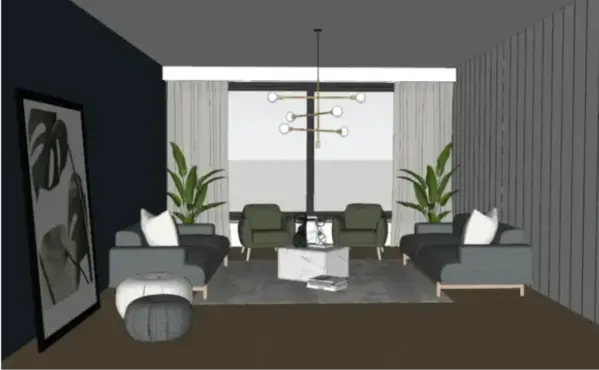



Presentation visuals from Bentley point-cloud and reality-mesh views that communicate existing infrastructure conditions.
Bentley point-cloud workflows bring surveyed existing conditions into infrastructure design and communication. Teams may work with LiDAR point clouds, photo-textured reality meshes, scalable terrain, raster imagery, and engineering-model overlays to understand a bridge bay, roadway corridor, rail approach, plant area, facade, or wider site context. Bentley tools can clean, segment, classify, clip, section, and combine this reality data with design information before a view is selected for explanation. RENDERCAD is useful at that presentation stage: start from a clean, deliberately framed viewport and create a polished still for an as-built narrative, option review, proposal, project update, or stakeholder conversation. It is especially helpful when the audience needs to grasp the spatial setting without navigating a dense technical scene. The original Bentley view remains the source of truth for scan evidence, coordinates, measurements, classification, geometry, and engineering decisions. A RENDERCAD image should communicate the chosen view, not replace the point cloud, reality mesh, or controlled engineering record.
In the Bentley reality-data workspace, isolate the area that tells the story and set a camera angle that retains the relationship between the scan or mesh, terrain, and any design overlay. Use the available clipping, sectioning, point classification, color, and display controls to reduce surrounding noise; hide cursors, selection states, measurement labels, and other interface elements before capture. For example, a clipped roadway cut can show the relationship between terrain and a proposed alignment, while a plant scan can focus attention on access or clearance context. Upload the clean viewport to RENDERCAD with a presentation brief such as restrained report imagery, clear daylight context, or an approachable stakeholder visual. Use the output in communication material, then compare it with the original Bentley view whenever a statement depends on factual geometry, dimensions, asset condition, or survey accuracy.
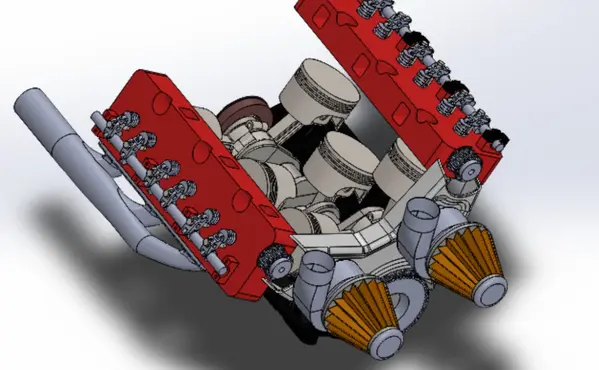
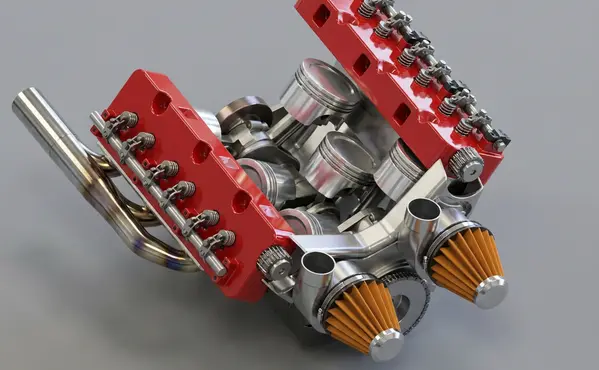
Modeled by CADSharp in Onshape. Rendered with RENDERCAD.
Add | Change | or Remove referenced objects with the stroke of a brush.
RENDERCAD uses a maintained selection of image-generation models for different rendering tasks. Results can vary by model and input, so compare generated output with the source design before relying on geometry, materials, or dimensions.
| Feature | RENDERCAD | Competitor |
|---|---|---|
| Engine | Generative AI | Varies by tool |
| Output | Images + Video | Varies by tool |
| Resolution | HD / 4K | Varies by workflow |
| Image Speed | Image renders complete in 60 seconds. | Varies by scene/tool |
| Video Speed | Videos complete in 2-5 minutes. | Varies by workflow |
| Scene Set Up | No separate local scene | Varies by workflow |
| Input | Screen Snip | Varies by tool |
| Hardware | Cloud GPU | Often local GPU/CPU |
| Install | None | Varies (web or app) |
| Cost | from $9/mo | Varies widely |
Read the numbers. We trust you to know theirs.
Skip a separate local scene build. Pick a condition, material, and background while RENDERCAD handles the image-generation step. Image renders complete in 60 seconds.
 ™
RENDERCAD™
™
RENDERCAD™
Use the browser workflow directly, capture a selected view with the desktop app, or start from the browser extension.
Get StartedCommon solutions for Bentley Point Cloud users
Describe the finish, gloss, grain direction, and lighting, or provide an authorized material reference. Generated reflections are visual approximations rather than physically verified material behavior.
It uses generative image models with screenshot or image inputs. Models and features can change over time, so current product documentation is the source of truth.
Video jobs consume credits based on current duration and model settings. Check the pricing page for current costs rather than comparing with an assumed outsourcing price.
Yes. An environment reference can guide the visual direction of reflections on metallic or glossy surfaces, but the result is not a physical reflection simulation.
Yes. Mask the region that needs adjustment and provide a focused instruction. RENDERCAD generates a new image, so inspect both the targeted region and the rest of the output for drift.
Yes. Save successful reference images in organized folders. Over time, you build a personal material and style library for consistent rendering.
Upload a clear image, then choose a worn condition or describe rust and age in the prompt. Review the result because the generated wear pattern may not match real use or material behavior.
Add phrases like "Light from left," "Backlit," or "Top down lighting" to your custom prompt in RENDERCAD.
Start from an image that clearly shows the existing separated components, then choose the Exploded View product motion. Review the clip against the source because generated motion can alter part boundaries or relationships.
Submit a clear viewport screenshot to the web workflow instead of running a local scene render. The generation request runs in the cloud while your source application remains separate.
Open the current desktop app or browser extension, select the viewport region, and send the captured image into the screenshot-based workflow. Availability and device requirements are documented on the current download pages.
Use the web upload workflow, the current desktop capture app, or the browser extension to submit a selected 2D view. This is a screenshot workflow, not a native CAD-file or renderer integration.