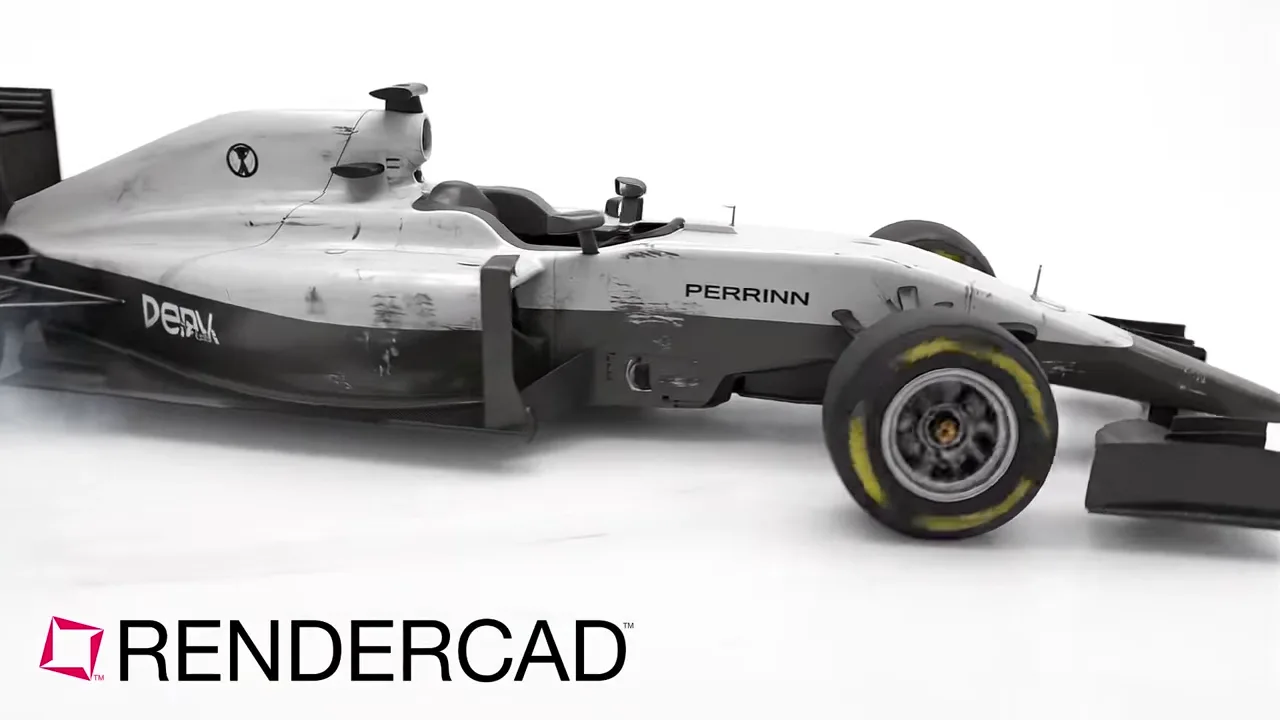
Turn Alibre Design parts, assemblies, and enclosures into product-focused visuals from a prepared viewport.
Alibre Design is parametric mechanical CAD for modeling parts, assemblies, sheet metal components, and production drawings. Its assembly workspace can organize components and exploded states, while its sheet metal tools support formed parts and flat patterns. Those engineering views can also give product teams a useful visual starting point when a design needs to be understood outside a drawing or CAD review.


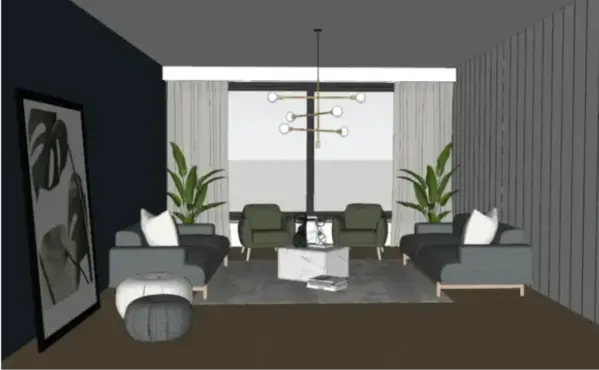
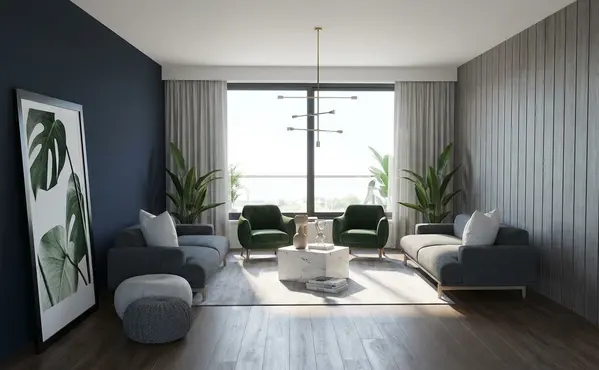
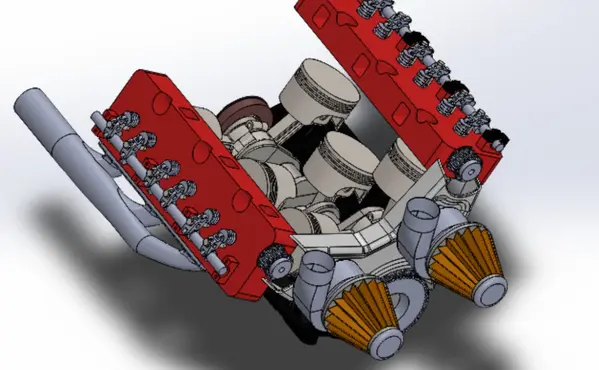
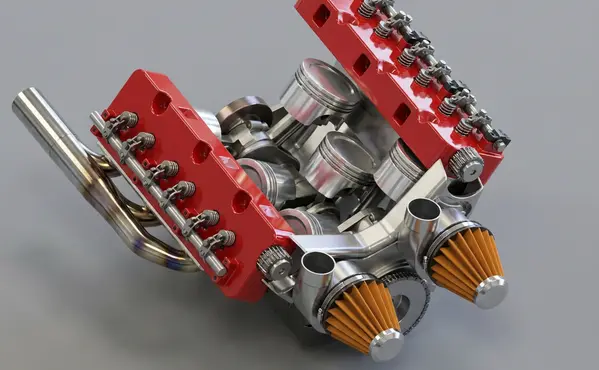


Alibre Design is parametric mechanical CAD for modeling parts, assemblies, sheet metal components, and production drawings. Its assembly workspace can organize components and exploded states, while its sheet metal tools support formed parts and flat patterns. Those engineering views can also give product teams a useful visual starting point when a design needs to be understood outside a drawing or CAD review.
Alibre Design is suited to detailed mechanical work such as fabricated enclosures, fixtures, machines, and consumer products. A RENDERCAD workflow is most useful when a technically modeled part or assembly needs a clearer presentation for a concept review, proposal, product page, manual cover, or sales discussion. Start with an Alibre view that answers one visual question: show the outside of a bent sheet metal enclosure, frame an assembly so interfaces and hardware are readable, or use an exploded state to communicate the main component groups. RENDERCAD can turn that deliberate viewport capture into a more polished product visual by exploring lighting, material character, background, and composition. It is not a replacement for the CAD model, manufacturing drawing, flat pattern, bill of materials, or assembly instructions; retain Alibre Design and approved technical documents as the source of truth for dimensions, fit, component selection, and fabrication details.
In Alibre Design, prepare a clean perspective or orthographic viewport for the part, constrained assembly, or exploded state that best explains the product. For a sheet metal design, show the formed enclosure rather than a flat pattern when the goal is a finished-product visual; keep the flat pattern and dimensioned drawings for fabrication. Hide selection highlights, reference geometry, dimensions, and unrelated components, then capture a view with recognizable openings, controls, fasteners, and interfaces in frame. Upload the capture to RENDERCAD with a focused direction, such as a neutral studio image, a material and finish study, or an installed equipment context. Review the result against the Alibre model before publishing, particularly where labels, cutouts, part relationships, or component count matter. Use the approved visual alongside drawings or exploded documentation when readers need technical instructions.
Modeled by CADSharp in Onshape. Rendered with RENDERCAD.
Add | Change | or Remove referenced objects with the stroke of a brush.
RENDERCAD uses a maintained selection of image-generation models for different rendering tasks. Results can vary by model and input, so compare generated output with the source design before relying on geometry, materials, or dimensions.
| Feature | RENDERCAD | Competitor |
|---|---|---|
| Engine | Generative AI | Varies by tool |
| Output | Images + Video | Varies by tool |
| Resolution | HD / 4K | Varies by workflow |
| Image Speed | Image renders complete in 60 seconds. | Varies by scene/tool |
| Video Speed | Videos complete in 2-5 minutes. | Varies by workflow |
| Scene Set Up | No separate local scene | Varies by workflow |
| Input | Screen Snip | Varies by tool |
| Hardware | Cloud GPU | Often local GPU/CPU |
| Install | None | Varies (web or app) |
| Cost | from $9/mo | Varies widely |
Read the numbers. We trust you to know theirs.
Skip a separate local scene build. Pick a condition, material, and background while RENDERCAD handles the image-generation step. Image renders complete in 60 seconds.
 ™
RENDERCAD™
™
RENDERCAD™
Use the browser workflow directly, capture a selected view with the desktop app, or start from the browser extension.
Get StartedCommon solutions for Alibre Design users
Open the current desktop app or browser extension, select the viewport region, and send the captured image into the screenshot-based workflow. Availability and device requirements are documented on the current download pages.
Describe cinematic depth of field and the intended focus area. Check that important product details remain sharp after generation.
It supports fast visual feedback from a clear viewport capture. Image renders complete in 60 seconds.
The current desktop app or browser extension can capture a selected viewport region and send that screenshot into the image workflow. The web upload path remains available without a CAD plugin.
Choose a background or describe the intended environment and lighting. Generated reflections and illumination are visual interpretations, not a scene-based light simulation.
4K is an optional output-resolution step. It increases pixel dimensions but does not restore missing source detail or guarantee print suitability.
It guides the video toward a looping transition. Review continuity after export because the first and last frames may still need editing.
Yes, if you are authorized to use it. A reference guides visual direction but does not guarantee style replication or geometry preservation.
Yes. Use a mask to target the background separately from the foreground product. Review both regions because generation can still alter unmasked content.
Share only reference images your team is authorized to use, together with the instructions and review criteria that produced a useful result. Reusing a reference can guide consistency but does not guarantee identical output.
Describe the tint, transparency, thickness, and lighting direction. Generated absorption and reflections are visual approximations and should not be treated as material simulation.
Choose the Dusty condition and describe the intended atmosphere. Generated dust is illustrative, so review how it affects important product details.