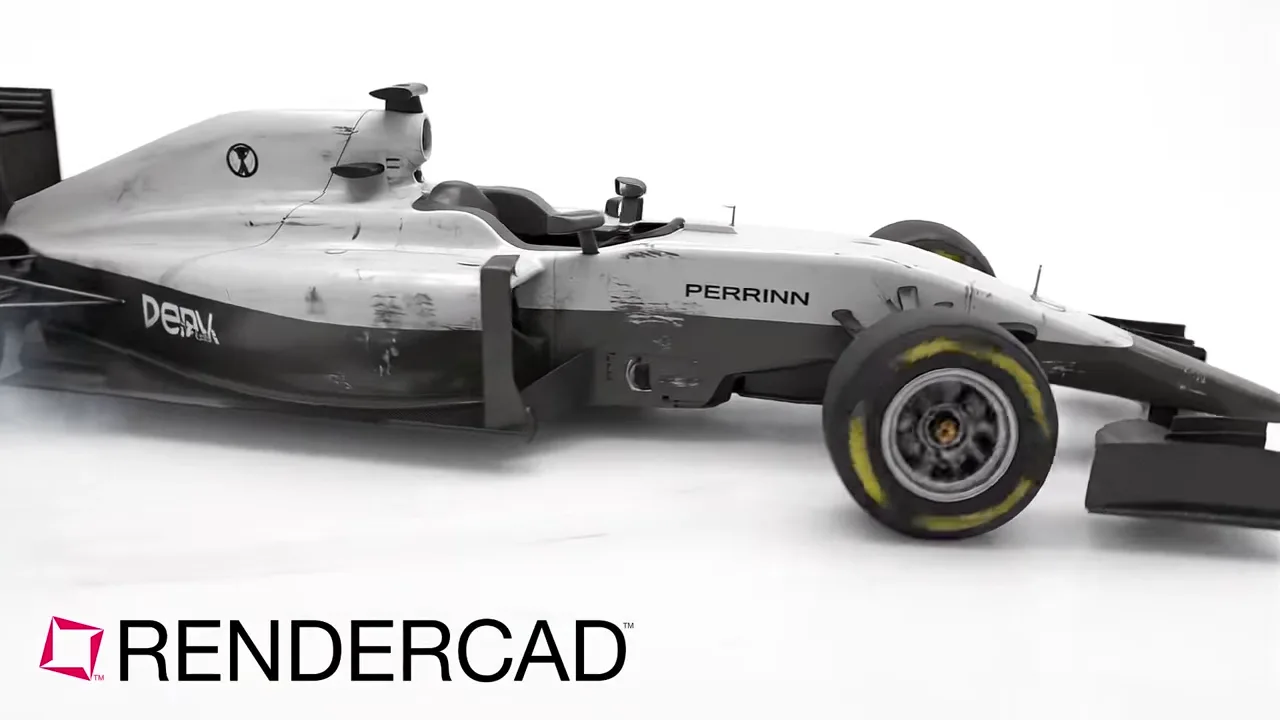
Turn Alias Design form studies into focused product visuals.
Autodesk Alias Design is used by industrial and automotive design teams to develop concepts, subdivision forms, and surface models, then communicate design intent through materials, shading, and visualization. It is especially useful when a proposal needs to be read through silhouette, proportion, reflections, panel breaks, or color-material-finish direction rather than through a dense modeling interface. A prepared Alias viewport can provide a strong visual reference for a focused presentation image once the form being discussed is clear.


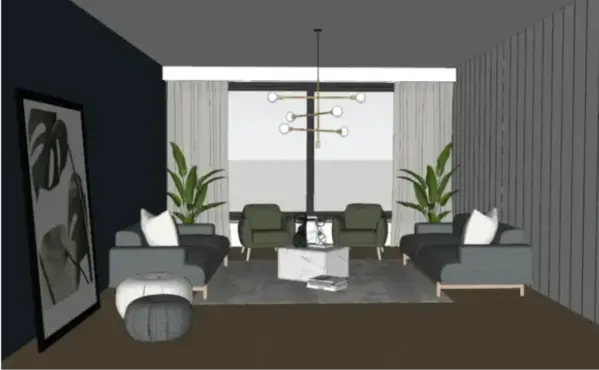
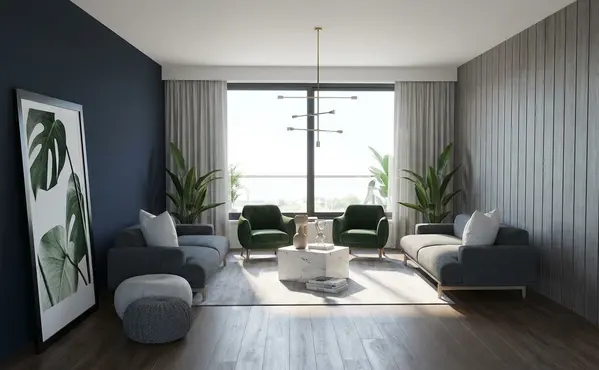


Autodesk Alias Design is used by industrial and automotive design teams to develop concepts, subdivision forms, and surface models, then communicate design intent through materials, shading, and visualization. It is especially useful when a proposal needs to be read through silhouette, proportion, reflections, panel breaks, or color-material-finish direction rather than through a dense modeling interface. A prepared Alias viewport can provide a strong visual reference for a focused presentation image once the form being discussed is clear.
Alias Design work often progresses from sketch-driven exploration into subdivision and NURBS forms, where teams assess the character line, highlight flow, surface transitions, and color-material-finish direction of a vehicle or product. RENDERCAD can turn a deliberate Alias viewport capture into a polished visual for an automotive styling proposal, consumer-product concept, form review, or presentation board. A three-quarter exterior view can communicate stance and proportion, while a close crop can make a shoulder, blend, seam, wheel, or product edge easier to discuss. Use the output to tell a clear visual story about the intended design direction for internal reviews, stakeholder updates, or early marketing concepts. It should support the conversation, not replace the Alias model: surface continuity, geometry quality, dimensions, and production decisions remain the responsibility of the source CAD workflow.
In Alias Design, isolate the design question before capturing the viewport. Choose a camera that exposes the relevant form: a three-quarter vehicle angle for overall proportion, a side view for silhouette, a close-up for a transition or panel break, or a product hero angle for an industrial design concept. Keep the intended geometry, key seams, and useful highlight areas visible, and remove construction items that obscure the read. If the study concerns CMF, preserve the material boundaries and color breaks that need comparison. Upload the capture to RENDERCAD and describe a credible presentation direction, such as neutral studio light for reflection-led form review, a restrained automotive setting, or a simple context scene for a product concept. Select images that clarify the design decision, then use them in critiques, CMF discussions, presentation boards, or stakeholder communication. Return to Alias for model edits and for validation of the underlying surface and design data. For developer documentation supporting an internal capture workflow, visit RENDERCAD developer documentation.
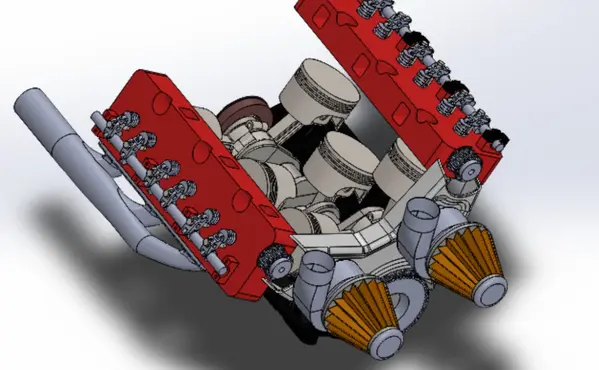
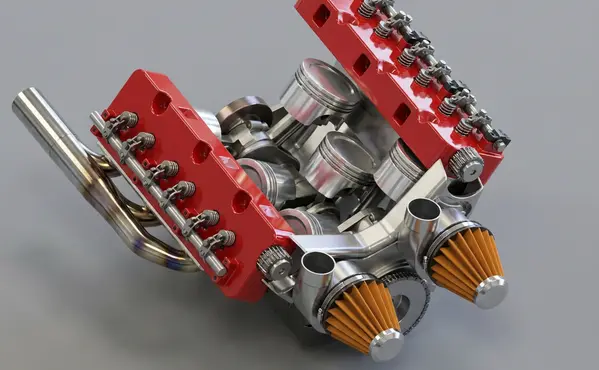
Modeled by CADSharp in Onshape. Rendered with RENDERCAD.
Add | Change | or Remove referenced objects with the stroke of a brush.
RENDERCAD uses a maintained selection of image-generation models for different rendering tasks. Results can vary by model and input, so compare generated output with the source design before relying on geometry, materials, or dimensions.
| Feature | RENDERCAD | Competitor |
|---|---|---|
| Engine | Generative AI | Varies by tool |
| Output | Images + Video | Varies by tool |
| Resolution | HD / 4K | Varies by workflow |
| Image Speed | Image renders complete in 60 seconds. | Varies by scene/tool |
| Video Speed | Videos complete in 2-5 minutes. | Varies by workflow |
| Scene Set Up | No separate local scene | Varies by workflow |
| Input | Screen Snip | Varies by tool |
| Hardware | Cloud GPU | Often local GPU/CPU |
| Install | None | Varies (web or app) |
| Cost | from $9/mo | Varies widely |
Read the numbers. We trust you to know theirs.
Skip a separate local scene build. Pick a condition, material, and background while RENDERCAD handles the image-generation step. Image renders complete in 60 seconds.
 ™
RENDERCAD™
™
RENDERCAD™
Use the browser workflow directly, capture a selected view with the desktop app, or start from the browser extension.
Get StartedCommon solutions for Alias Design users
Describe polished gold and choose a neutral or gradient background that can show reflections. Generated metal appearance varies with the input, model, and lighting direction.
Upload a CAD screenshot, real photo, or hand drawing and describe warm golden-hour light and the intended direction. Review the generated color and shadows because the interpretation can vary.
RENDERCAD videos are generated at 720p.
Yes. RENDERCAD's Render Studio works on Safari or Chrome on Mac, allowing you to turn CAD screenshots, real photos, and hand drawings into pro renders easily.
Generating images or videos consumes credits. Your balance refreshes monthly based on your subscription plan.
Choose a White background and describe a grounded subject with a soft contact shadow. Inspect the generated shadow for alignment and plausibility.
RENDERCAD can place a clear viewport capture into a described lifestyle environment, such as a kitchen or office, and produce options for review.
The screenshot workflow uses image inputs, presets, and plain-language direction. Teams should still review generated output with the appropriate designer or product owner.
Use a condition preset or regional instruction to explore dust, scratches, or age. Generated wear patterns do not predict real product use.
A supported browser can submit a clear 2D input without a local rendering GPU.
The current desktop app or browser extension can capture a selected view and send the screenshot into RENDERCAD without a CAD rendering plugin.
Use only images you are authorized to submit. A style reference can guide lighting, composition, or general aesthetic, but it does not guarantee that the source design remains unchanged.