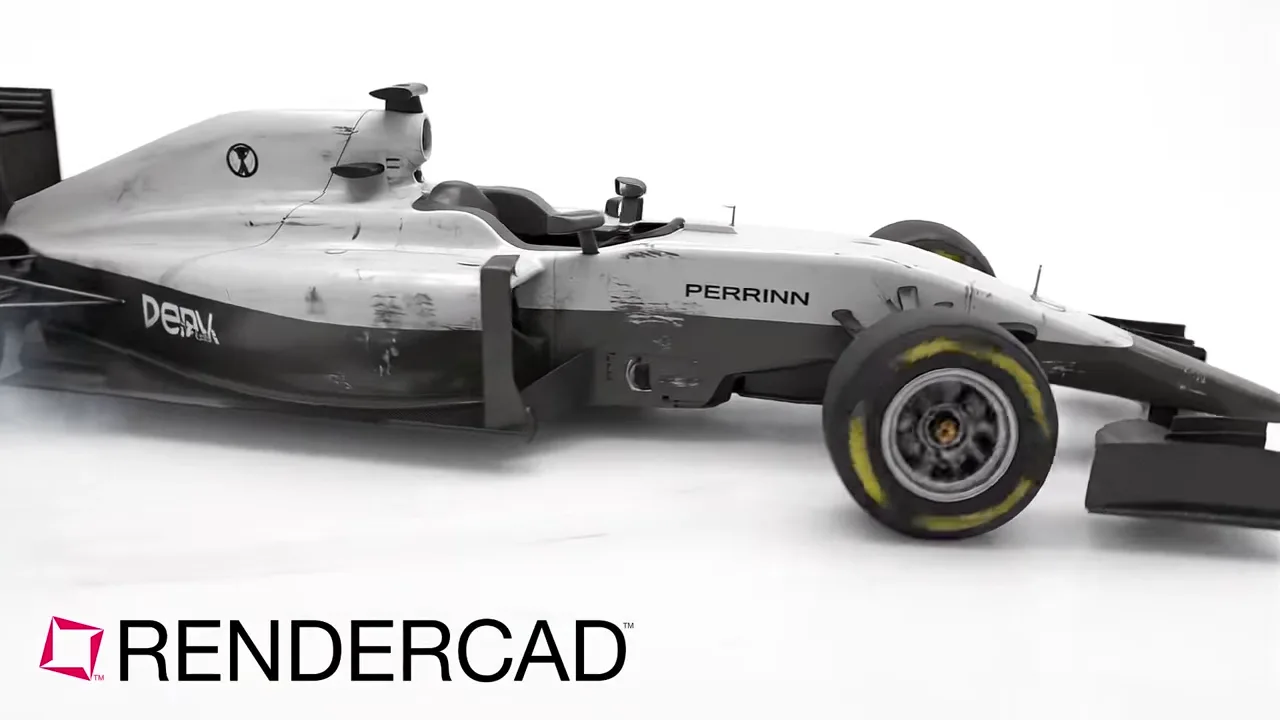
Turn Alias Surface studies into focused design presentation visuals.
Autodesk Alias Surface supports the refinement of automotive and consumer product concepts into Class-A surface models. Its audience includes surface modelers and designers working on the visible form of vehicle exteriors, glazing, wheels, trim, and product housings, where highlights and reflections make shape changes easier to read. A clean Alias viewport can be a useful visual starting point once the intended silhouette, primary surfaces, and important transitions are ready to discuss.


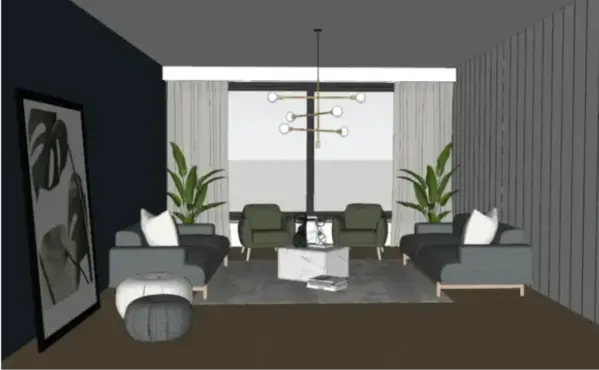
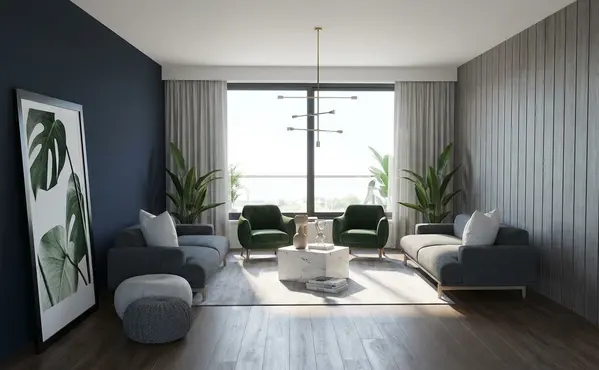


Autodesk Alias Surface supports the refinement of automotive and consumer product concepts into Class-A surface models. Its audience includes surface modelers and designers working on the visible form of vehicle exteriors, glazing, wheels, trim, and product housings, where highlights and reflections make shape changes easier to read. A clean Alias viewport can be a useful visual starting point once the intended silhouette, primary surfaces, and important transitions are ready to discuss.
Alias Surface is used to develop and refine Class-A surfaces for automotive and consumer product design. RENDERCAD can help a team turn a deliberate Alias viewport capture into a more communicative design image for an exterior proposal, side-glass study, wheel or trim detail, or product enclosure. Choose a view that exposes the decision under review: a three-quarter angle for proportion and shoulder line, a close crop for a blend or part break, or a side view for glazing and silhouette. Describe plausible paint, plastic, metal, studio lighting, and background context so the output supports a design conversation rather than reading as a raw modeling screen. The result can be useful in concept reviews, presentation boards, stakeholder updates, and portfolio case studies. It is not a replacement for Alias surface evaluation or production approval: continuity, tolerance, patch layout, and manufacturability should remain checked in the source CAD workflow.
First, prepare the Alias Surface viewport around a single question. Hide construction elements that distract from the form, use a camera angle that reveals the relevant body section or product feature, and retain enough edge, seam, or wheel context to make scale clear. Capture the study after the design direction is sufficiently resolved for review. In RENDERCAD, use that capture as the visual reference and state the intended finish and environment, such as a neutral studio for assessing reflections, a restrained outdoor setting for an automotive proposal, or a product scene that clarifies use. Request alternatives only when they test a meaningful presentation direction, then compare them with the original viewport. Use the selected image to explain form intent, while returning to Alias for any surface-quality decision or engineering handoff.
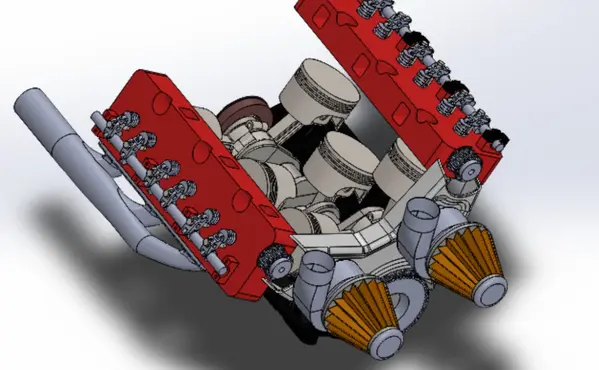
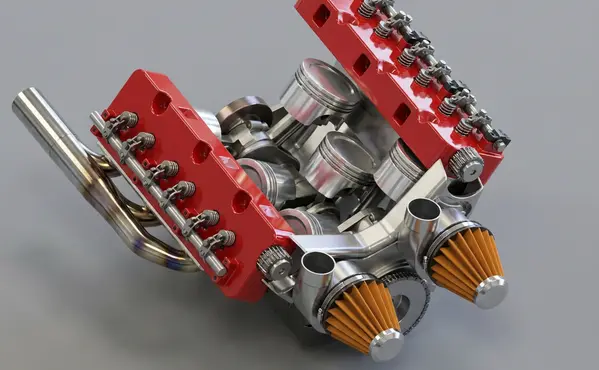
Modeled by CADSharp in Onshape. Rendered with RENDERCAD.
Add | Change | or Remove referenced objects with the stroke of a brush.
RENDERCAD uses a maintained selection of image-generation models for different rendering tasks. Results can vary by model and input, so compare generated output with the source design before relying on geometry, materials, or dimensions.
| Feature | RENDERCAD | Competitor |
|---|---|---|
| Engine | Generative AI | Varies by tool |
| Output | Images + Video | Varies by tool |
| Resolution | HD / 4K | Varies by workflow |
| Image Speed | Image renders complete in 60 seconds. | Varies by scene/tool |
| Video Speed | Videos complete in 2-5 minutes. | Varies by workflow |
| Scene Set Up | No separate local scene | Varies by workflow |
| Input | Screen Snip | Varies by tool |
| Hardware | Cloud GPU | Often local GPU/CPU |
| Install | None | Varies (web or app) |
| Cost | from $9/mo | Varies widely |
Read the numbers. We trust you to know theirs.
Skip a separate local scene build. Pick a condition, material, and background while RENDERCAD handles the image-generation step. Image renders complete in 60 seconds.
 ™
RENDERCAD™
™
RENDERCAD™
Use the browser workflow directly, capture a selected view with the desktop app, or start from the browser extension.
Get StartedCommon solutions for Alias Surface users
The core workflow starts from a selected 2D view, so it does not require native CAD-file conversion or source-model upload.
Reuse a clear history image and change the color instruction or reference. Treat the results as visual options rather than color-managed proof.
Describe the finish, gloss, grain direction, and lighting, or provide an authorized material reference. Generated reflections are visual approximations rather than physically verified material behavior.
It uses generative image models with screenshot or image inputs. Models and features can change over time, so current product documentation is the source of truth.
Video jobs consume credits based on current duration and model settings. Check the pricing page for current costs rather than comparing with an assumed outsourcing price.
No. Image references and masks require the Realistic engine. Switch to Realistic before adding reference guidance.
Mask visible components separately when they need different material or color direction. Keep the source model or drawing beside the output because generated boundaries and part relationships can drift.
Reuse the same source image with authorized daytime and night lighting references or instructions. Compare both outputs with the source because lighting changes can also alter generated details.
Capture a clear view, select the Realistic engine, choose the Factory New condition, and describe brushed aluminum. A material reference can guide grain direction, but review the generated surface against the source design.
Add phrases like "Light from left," "Backlit," or "Top down lighting" to your custom prompt in RENDERCAD.
Yes, use the "Details" field in the video tab to describe elements like "Steam rising" or "Lights flickering."
Submit a clear viewport screenshot to the web workflow instead of running a local scene render. The generation request runs in the cloud while your source application remains separate.