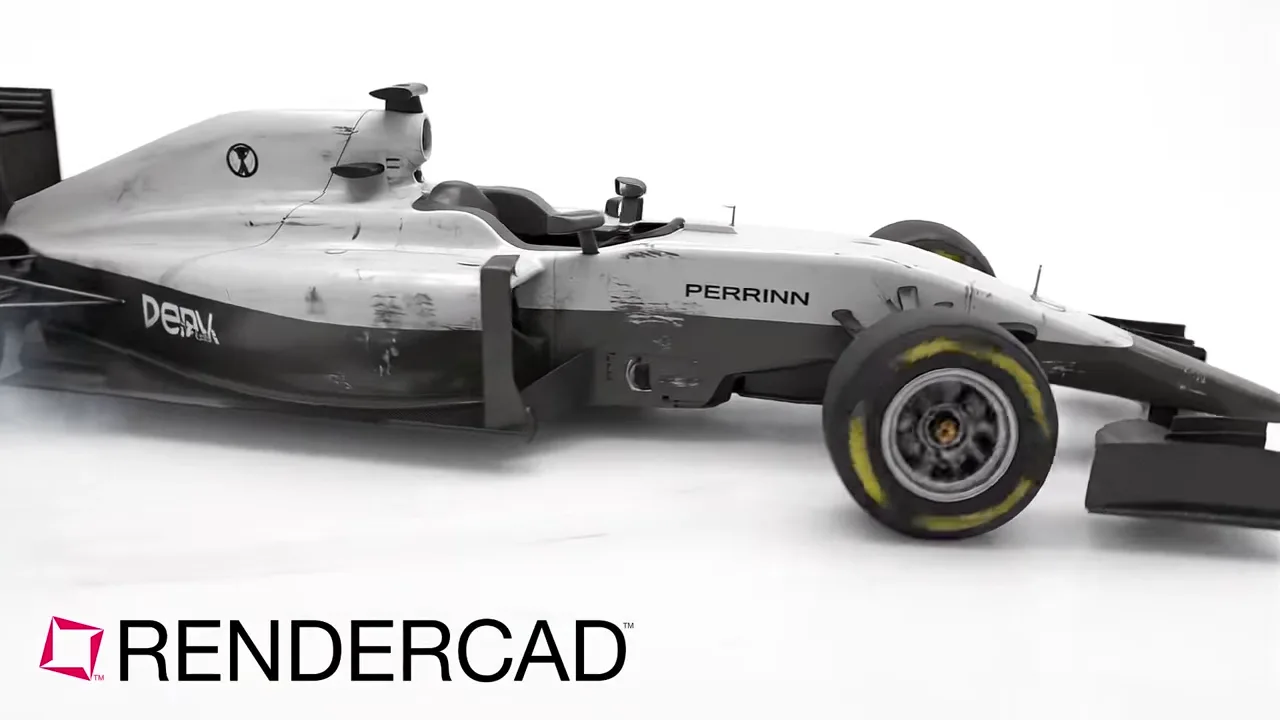
Presentation-ready automotive visuals from Alias AutoStudio design views.
Alias AutoStudio supports automotive and industrial-design work from concept modeling through technical and Class-A surfacing, with analysis and visualization used to communicate evolving vehicle forms. Its audience often needs to show how a body side, wheel arch, glass opening, interior volume, or product surface reads under controlled light before the design moves forward. A carefully prepared viewport can preserve the selected camera, silhouette, panel layout, and visible color and material direction for a focused presentation image.


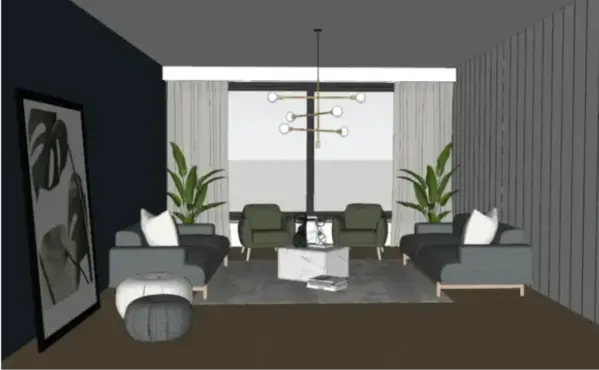
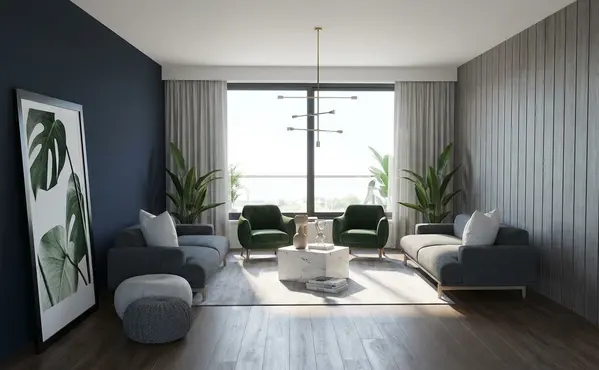


Alias AutoStudio supports automotive and industrial-design work from concept modeling through technical and Class-A surfacing, with analysis and visualization used to communicate evolving vehicle forms. Its audience often needs to show how a body side, wheel arch, glass opening, interior volume, or product surface reads under controlled light before the design moves forward. A carefully prepared viewport can preserve the selected camera, silhouette, panel layout, and visible color and material direction for a focused presentation image.
For an Alias AutoStudio styling or surfacing review, RENDERCAD can turn a purposeful viewport capture into a polished concept or design-review visual. This is particularly useful when a team wants to present a three-quarter exterior view, body-side character line, front or rear graphic, wheel-and-glass relationship, or interior form with a clearer studio-like presentation. Start with a view that already communicates the design intent: a readable silhouette, controlled reflections, clean panel boundaries, and the color, material, and finish direction being discussed. The resulting image can support critique decks, stakeholder presentations, early marketing exploration, or option comparisons without requiring a separate visualization scene for every capture. It should not replace Alias surface analysis, engineering review, or approved production data; use the original Alias model and analysis tools as the source of truth for continuity, dimensions, and surface quality.
In Alias AutoStudio, isolate the design area under discussion and set a shaded view with enough contrast to read the silhouette and key highlight flow. For an exterior proposal, frame the body surfaces, shut lines, wheels, lamps, and glass consistently; for a detail review, crop to the transition, seam, or interior volume that needs discussion. Remove distracting construction elements and capture the chosen camera after confirming the intended geometry and shading assignment. Use RENDERCAD to develop a refined presentation image with lighting and material cues appropriate to the concept, then compare alternatives against the same source view. Keep the Alias file, surface diagnostics, and engineering data authoritative. For API-driven handoff or automation, see RENDERCAD developer documentation for current implementation guidance.
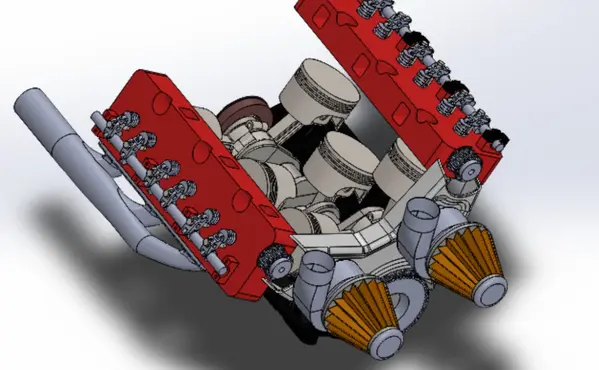
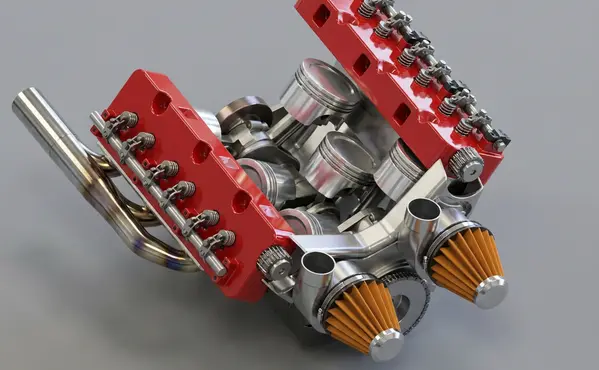
Modeled by CADSharp in Onshape. Rendered with RENDERCAD.
Add | Change | or Remove referenced objects with the stroke of a brush.
RENDERCAD uses a maintained selection of image-generation models for different rendering tasks. Results can vary by model and input, so compare generated output with the source design before relying on geometry, materials, or dimensions.
| Feature | RENDERCAD | Competitor |
|---|---|---|
| Engine | Generative AI | Varies by tool |
| Output | Images + Video | Varies by tool |
| Resolution | HD / 4K | Varies by workflow |
| Image Speed | Image renders complete in 60 seconds. | Varies by scene/tool |
| Video Speed | Videos complete in 2-5 minutes. | Varies by workflow |
| Scene Set Up | No separate local scene | Varies by workflow |
| Input | Screen Snip | Varies by tool |
| Hardware | Cloud GPU | Often local GPU/CPU |
| Install | None | Varies (web or app) |
| Cost | from $9/mo | Varies widely |
Read the numbers. We trust you to know theirs.
Skip a separate local scene build. Pick a condition, material, and background while RENDERCAD handles the image-generation step. Image renders complete in 60 seconds.
 ™
RENDERCAD™
™
RENDERCAD™
Use the browser workflow directly, capture a selected view with the desktop app, or start from the browser extension.
Get StartedCommon solutions for Alias AutoStudio users
Upload a clear image or use a current capture tool, describe carbon fiber, and add an authorized material reference when a specific visual direction matters. Image renders complete in 60 seconds.
Choose a suitable background and describe a reflective floor. Inspect the generated reflection for alignment, product fidelity, and unintended details.
Upload a CAD screenshot, real photo, or hand drawing, open the Video panel, and choose an available duration, camera preset, and product motion. Videos complete in 2-5 minutes.
If the source viewport is visible but a local renderer fails, capture a clear screenshot and use it as a RENDERCAD input. Image renders complete in 60 seconds.
Yes. Upload a photo of a foam model and prompt "Finished plastic product" to visualize the final look.
Use a high-resolution, clear input and Exact style, but expect generated text to drift. Add critical labels in a graphics editor after generation rather than relying on AI text fidelity.
Image renders complete in 60 seconds.
Generation runs on cloud infrastructure, so a local rendering GPU is not required. The device still needs sufficient resources for the source application, browser, and network connection.
Context prompts can provide a visual scale cue, but the source model and known dimensions remain authoritative. Do not infer measurements from generated imagery.
RENDERCAD starts from a 2D image and uses generated material and environment direction. Built-in renderers may provide direct scene, geometry, lighting, and material control.
Provide a material reference or describe the intended scale, then compare the result with known dimensions and the source model.
Yes, if you are authorized to use the photo. It can guide the environment, while placement, lighting, and shadows remain generated interpretations.