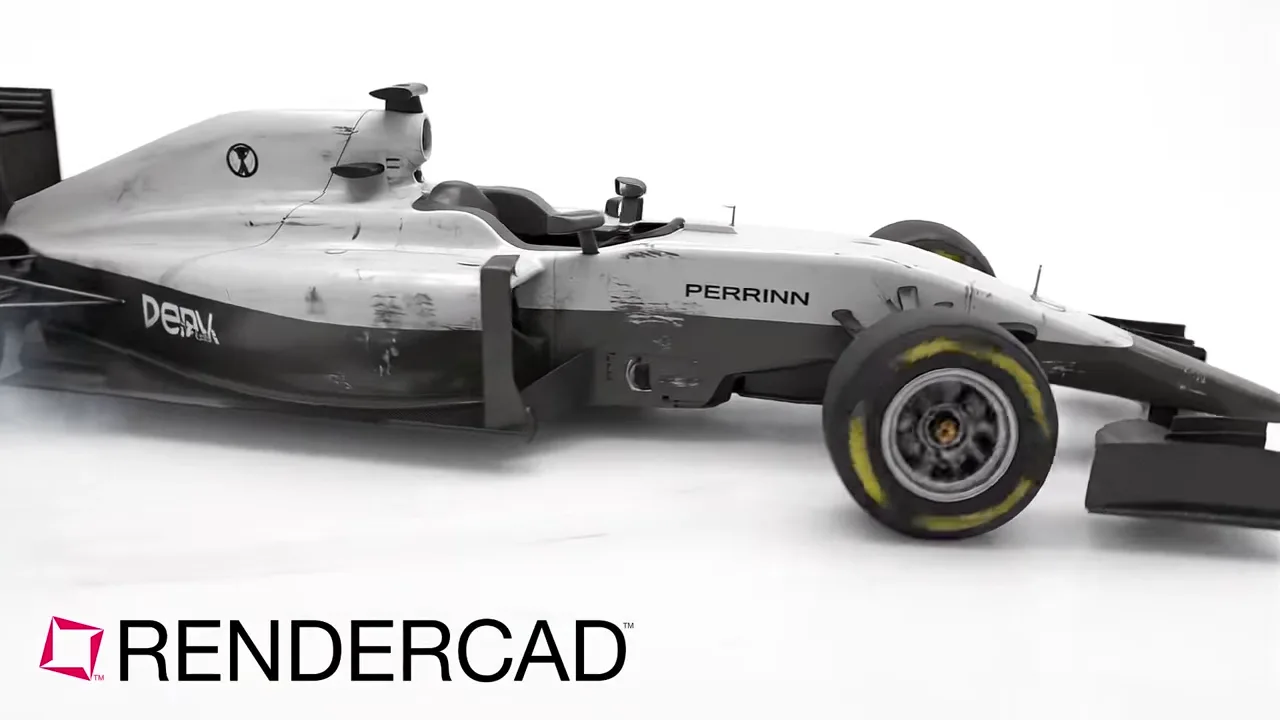
Explore product still concepts from 3DEXCITE views.
3DEXCITE supports CAD-derived product visualization for marketing imagery, product presentations, interactive experiences, and content preparation. DELTAGEN is used to convert, prepare, optimize, render, and export product data for visual content workflows, while Product Communicator includes xStudio for photorealistic product shots and turntables and xHighlight for interactive presentations and technical illustrations. A clean 3DEXCITE frame can therefore be a useful visual starting point when a team needs to communicate a product concept outside the full production pipeline.


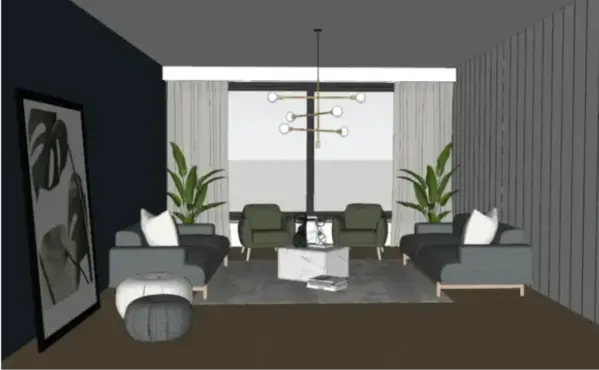

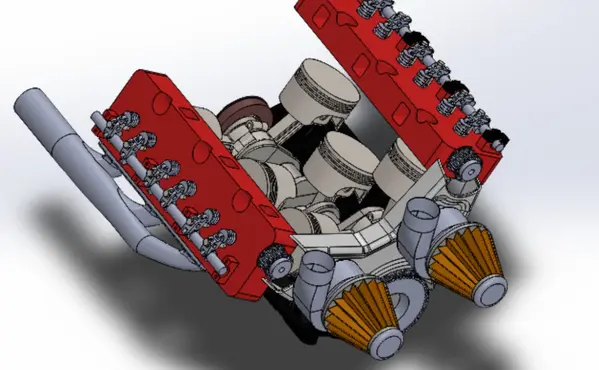
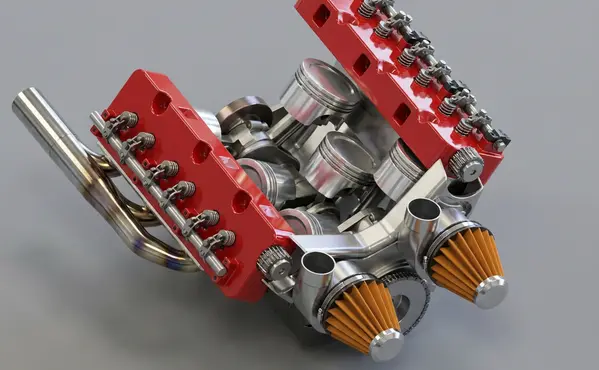


3DEXCITE supports CAD-derived product visualization for marketing imagery, product presentations, interactive experiences, and content preparation. DELTAGEN is used to convert, prepare, optimize, render, and export product data for visual content workflows, while Product Communicator includes xStudio for photorealistic product shots and turntables and xHighlight for interactive presentations and technical illustrations. A clean 3DEXCITE frame can therefore be a useful visual starting point when a team needs to communicate a product concept outside the full production pipeline.
3DEXCITE teams often work from a defined product configuration, materials, and camera view to create content before a physical product is available. RENDERCAD fits an adjacent still-image exploration step when a DELTAGEN scene or xStudio view already makes the approved product and its key features readable. Use that clean source view to test a campaign mood, studio-lighting direction, contextual environment, composition, or finish story for a product page, ecommerce concept, internal design review, or sales presentation. This is especially useful for evaluating how a product silhouette, colorway, or surface treatment reads to a non-CAD audience. Keep visible geometry, labels, interfaces, and configuration choices clear in the input so the result remains anchored to the intended product. RENDERCAD can help a team compare presentation directions quickly, but it does not replace DELTAGEN data preparation, the managed product definition, technically accurate xHighlight illustrations, or the approved 3DEXCITE scene used for controlled production assets.
In 3DEXCITE, select the approved variant and a camera that makes the feature, material, and silhouette under review easy to see. In DELTAGEN or Product Communicator, remove annotations, selection highlights, interface panels, reference geometry, and any temporary staging aids before capturing a clean viewport or rendered preview. Use a single view when assessing a hero still, or prepare several deliberate angles when a product needs front, detail, and context concepts. Upload the chosen frame to RENDERCAD with concise direction for the intended audience, setting, lighting, and finish. Compare the resulting stills for a campaign concept, retail listing, early presentation, or review deck, then carry the selected visual direction back to the 3DEXCITE scene for repeatable, approved production content. For repeatable image workflows, implementation details are available at RENDERCAD developer documentation.
Modeled by CADSharp in Onshape. Rendered with RENDERCAD.
Add | Change | or Remove referenced objects with the stroke of a brush.
RENDERCAD uses a maintained selection of image-generation models for different rendering tasks. Results can vary by model and input, so compare generated output with the source design before relying on geometry, materials, or dimensions.
| Feature | RENDERCAD | Competitor |
|---|---|---|
| Engine | Generative AI | Varies by tool |
| Output | Images + Video | Varies by tool |
| Resolution | HD / 4K | Varies by workflow |
| Image Speed | Image renders complete in 60 seconds. | Varies by scene/tool |
| Video Speed | Videos complete in 2-5 minutes. | Varies by workflow |
| Scene Set Up | No separate local scene | Varies by workflow |
| Input | Screen Snip | Varies by tool |
| Hardware | Cloud GPU | Often local GPU/CPU |
| Install | None | Varies (web or app) |
| Cost | from $9/mo | Varies widely |
Read the numbers. We trust you to know theirs.
Skip a separate local scene build. Pick a condition, material, and background while RENDERCAD handles the image-generation step. Image renders complete in 60 seconds.
 ™
RENDERCAD™
™
RENDERCAD™
Use the browser workflow directly, capture a selected view with the desktop app, or start from the browser extension.
Get StartedCommon solutions for 3DEXCITE users
Context prompts can provide a visual scale cue, but the source model and known dimensions remain authoritative. Do not infer measurements from generated imagery.
RENDERCAD starts from a 2D image and uses generated material and environment direction. Built-in renderers may provide direct scene, geometry, lighting, and material control.
Provide a material reference or describe the intended scale, then compare the result with known dimensions and the source model.
Yes. An environment reference can guide the visual direction of reflections on metallic or glossy surfaces, but the result is not a physical reflection simulation.
Mask the visible label area and attach authorized artwork as a reference to guide the generated mockup. Verify spelling, shape, color, placement, and perspective; add exact production artwork afterward in a graphics or packaging-design tool.
Photograph an authorized prototype or sample and use it as a material reference. Verify color, texture scale, gloss, and product fidelity because generated output will not match reality exactly.
Capture a clear view and describe the intended glow color, brightness, and surrounding light spill. Review the generated image because bloom and illumination can vary.
Upload a CAD screenshot, real photo, or hand drawing and describe warm golden-hour light and the intended direction. Review the generated color and shadows because the interpretation can vary.
Choose the Seamless loop end-frame option to guide the clip toward a looping transition. Review the exported loop because continuity can vary by model and source image.
Yes. RENDERCAD's Render Studio works on Safari or Chrome on Mac, allowing you to turn CAD screenshots, real photos, and hand drawings into pro renders easily.
Generating images or videos consumes credits. Your balance refreshes monthly based on your subscription plan.
Describe the color code name (e.g., "Traffic Red") in the prompt.