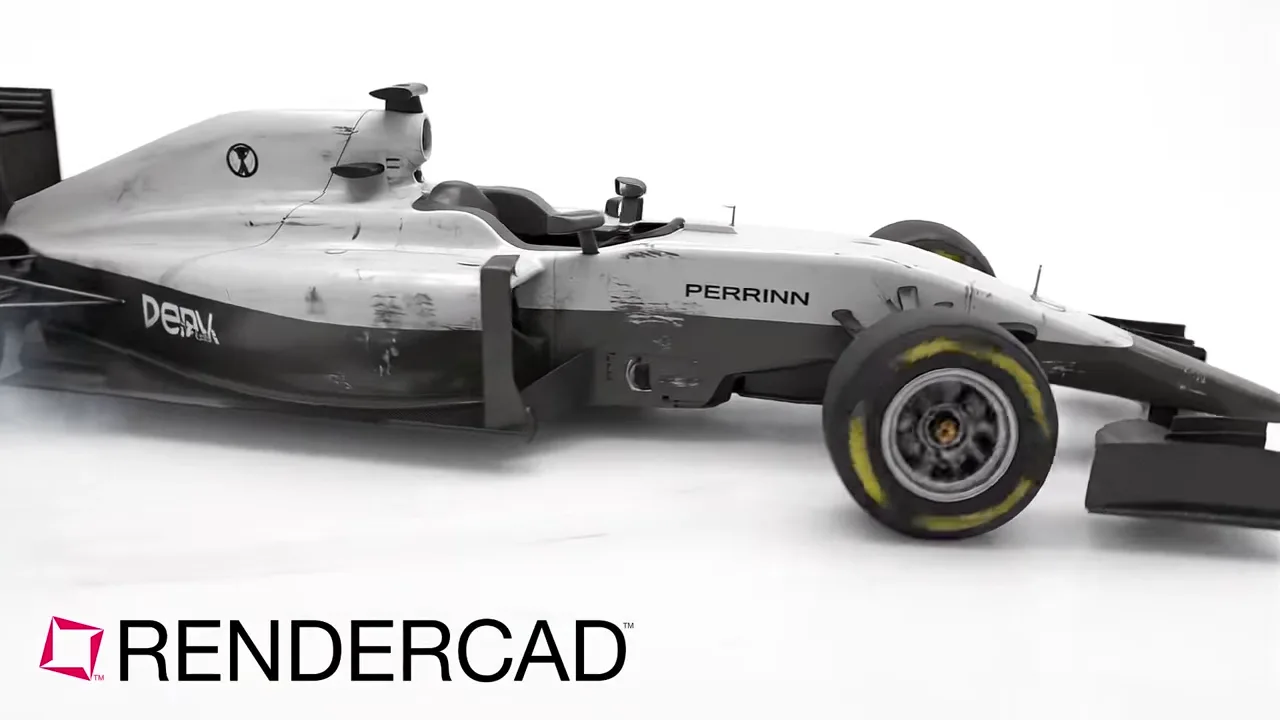
Presentation visuals from AeroHydro marine and freeform surface views.
AeroHydro brings together MultiSurf and SurfaceWorks relational surface modeling for marine and industrial freeform design, alongside Hydro hydrostatics and Flattener pattern-making tools. The relational approach is useful when a change to a defining curve, surface, or component needs to carry through dependent geometry. For naval architects, yacht designers, and industrial surface designers, the working view can be dense with curves, control geometry, and reference objects. A clean viewport capture can instead become a focused visual that helps other people understand the intended exterior form.


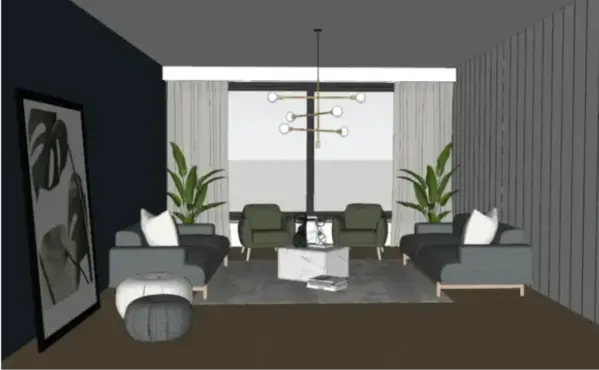
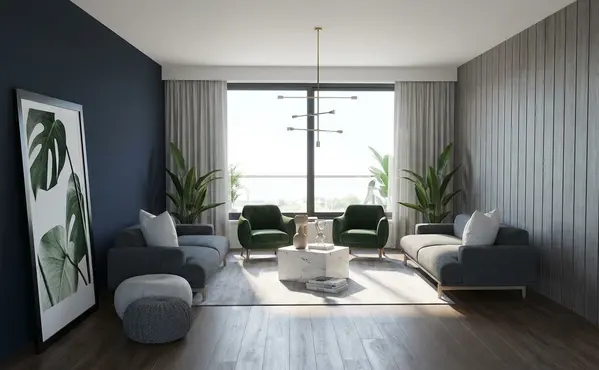
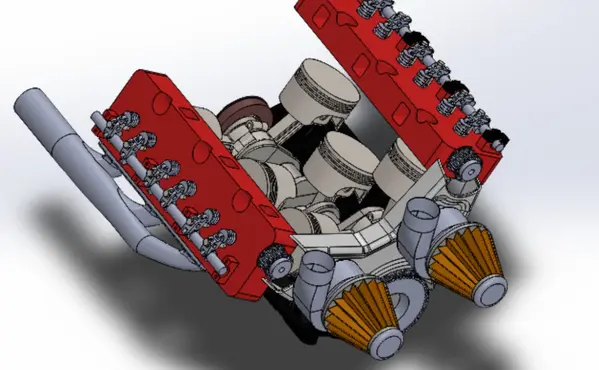


AeroHydro brings together MultiSurf and SurfaceWorks relational surface modeling for marine and industrial freeform design, alongside Hydro hydrostatics and Flattener pattern-making tools. The relational approach is useful when a change to a defining curve, surface, or component needs to carry through dependent geometry. For naval architects, yacht designers, and industrial surface designers, the working view can be dense with curves, control geometry, and reference objects. A clean viewport capture can instead become a focused visual that helps other people understand the intended exterior form.
Use RENDERCAD when an AeroHydro model needs to communicate more than its construction logic. A MultiSurf view of a hull, deckhouse, keel, rudder, foil, or superstructure can become a presentation image that makes the silhouette, proportion, and material direction easier to discuss. The same approach can suit a SurfaceWorks freeform part where surface continuity and overall character matter to a concept review. Start from a view that clearly shows the design decision: a sheer-line profile for a yacht, a three-quarter exterior view for a deckhouse, or a close view of a foil or industrial fairing. RENDERCAD can help develop the captured design view into an atmospheric concept, client presentation, proposal visual, or marketing-ready image. It does not replace AeroHydro for relational geometry, dimensions, hydrostatic calculations, stability interpretation, or flattened-pattern output; those remain governed by the source model and engineering review.
In MultiSurf or SurfaceWorks, make a dedicated presentation view before capture. Isolate the hull, deckhouse, appendage, or freeform surface under discussion, choose an angle that reveals the important curvature, and hide construction curves, point markers, and unrelated assemblies. Keep a waterline, centerline, or scale reference only when it clarifies the design review. Capture the viewport with enough resolution to preserve the silhouette and major seams, then use RENDERCAD to explore lighting, material character, a waterside setting, or a neutral studio treatment. Compare the resulting visual with the AeroHydro viewport before sharing it, especially where an image could be read as a technical representation. Use the polished output for early concept conversations, stakeholder reviews, proposals, and visual storytelling, while retaining AeroHydro files and validated engineering results as the source of truth for geometry, hydrostatics, stability, and pattern-making.
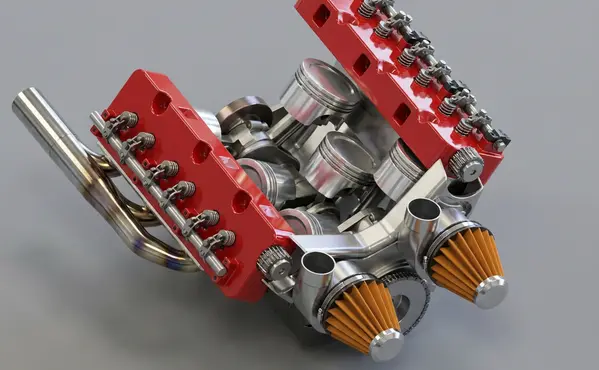
Modeled by CADSharp in Onshape. Rendered with RENDERCAD.
Add | Change | or Remove referenced objects with the stroke of a brush.
RENDERCAD uses a maintained selection of image-generation models for different rendering tasks. Results can vary by model and input, so compare generated output with the source design before relying on geometry, materials, or dimensions.
| Feature | RENDERCAD | Competitor |
|---|---|---|
| Engine | Generative AI | Varies by tool |
| Output | Images + Video | Varies by tool |
| Resolution | HD / 4K | Varies by workflow |
| Image Speed | Image renders complete in 60 seconds. | Varies by scene/tool |
| Video Speed | Videos complete in 2-5 minutes. | Varies by workflow |
| Scene Set Up | No separate local scene | Varies by workflow |
| Input | Screen Snip | Varies by tool |
| Hardware | Cloud GPU | Often local GPU/CPU |
| Install | None | Varies (web or app) |
| Cost | from $9/mo | Varies widely |
Read the numbers. We trust you to know theirs.
Skip a separate local scene build. Pick a condition, material, and background while RENDERCAD handles the image-generation step. Image renders complete in 60 seconds.
 ™
RENDERCAD™
™
RENDERCAD™
Use the browser workflow directly, capture a selected view with the desktop app, or start from the browser extension.
Get StartedCommon solutions for AeroHydro users
Provide a material reference or describe the intended scale, then compare the result with known dimensions and the source model.
Yes, if you are authorized to use its contents. A mood board can guide palette, lighting, and atmosphere; generated interpretation varies.
Yes. Mask each region and assign an authorized texture reference or instruction. Review material boundaries, scale, and product fidelity after generation.
Create one master render, then use masking and reference swapping to generate variations - different colors, backgrounds, and contexts - from a single session.
Use a clear capture, choose the Factory New condition, and describe the intended plastic type, color, and finish. Review the generated surface because gloss, texture, and molded details can vary.
Upload a CAD screenshot, real photo, or hand drawing and describe warm golden-hour light and the intended direction. Review the generated color and shadows because the interpretation can vary.
Yes, use the "Details" field in the video tab to describe elements like "Steam rising" or "Lights flickering."
Yes. RENDERCAD's Render Studio works on Safari or Chrome on Mac, allowing you to turn CAD screenshots, real photos, and hand drawings into pro renders easily.
Generating images or videos consumes credits. Your balance refreshes monthly based on your subscription plan.
Start with a clear, well-framed viewport and describe the intended material and lighting. Image renders complete in 60 seconds, and you can iterate or mask a region when an artifact remains.
RENDERCAD can place a clear viewport capture into a described lifestyle environment, such as a kitchen or office, and produce options for review.
The screenshot workflow uses image inputs, presets, and plain-language direction. Teams should still review generated output with the appropriate designer or product owner.