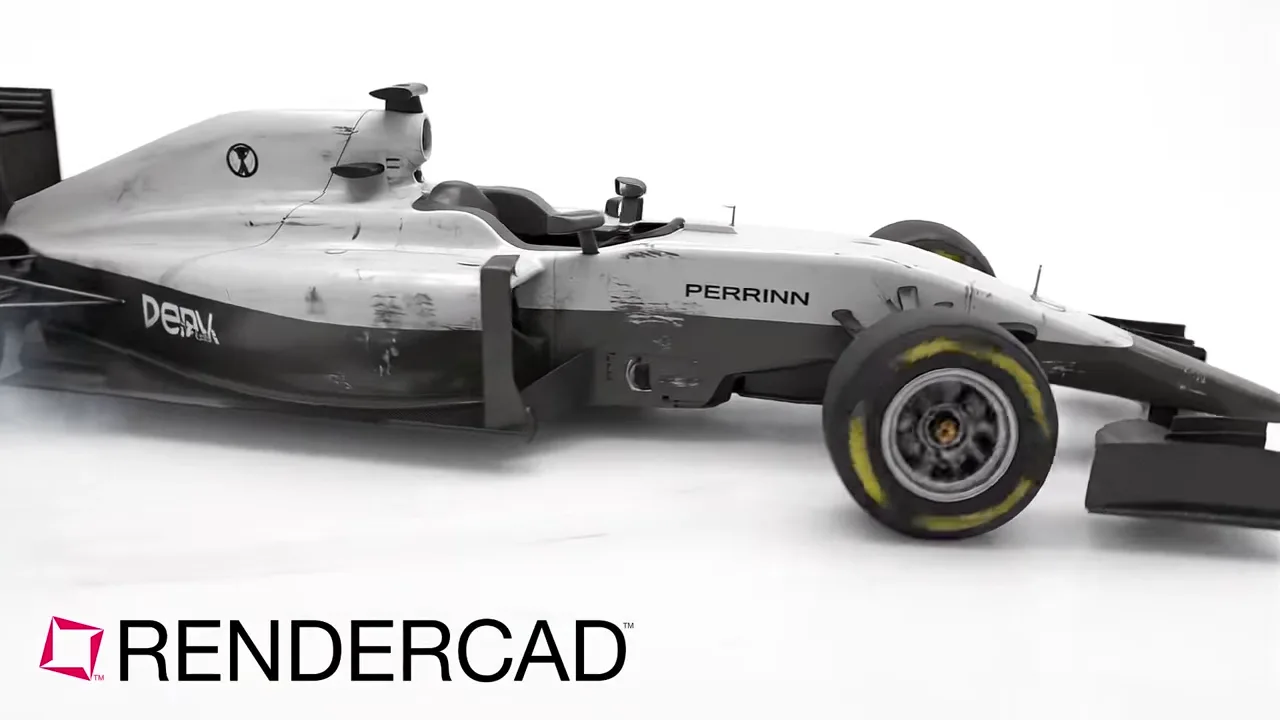
Develop clear apparel presentation visuals from approved TUKAcad pattern references.
TUKAcad is apparel CAD/CAM software centered on TUKAdesign for digital pattern making and grading and TUKAmark for marker making. Pattern makers can draft or modify garment pieces, document measurements and grade rules, then arrange nested pieces for fabric cutting and yield-oriented planning. Its working views are technical rather than presentation-led, so they can be useful reference material when a product team needs to explain how an approved style is intended to look.


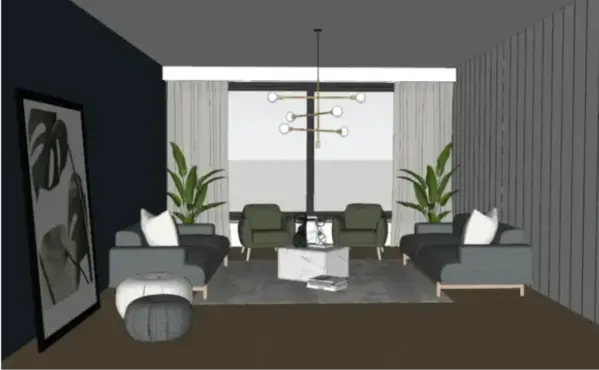

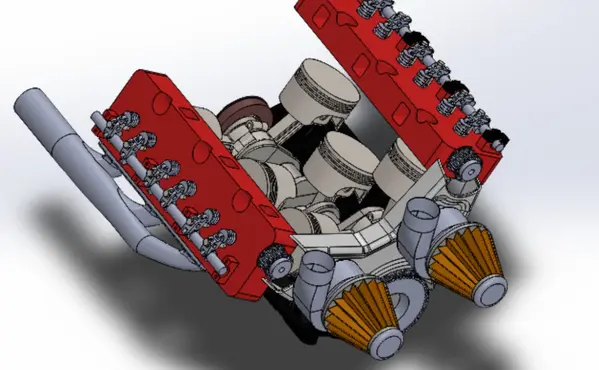
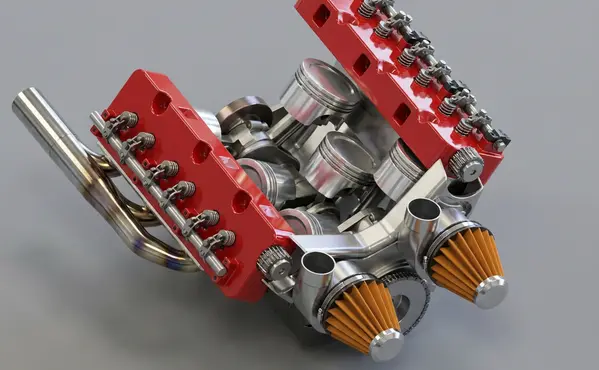


TUKAcad is apparel CAD/CAM software centered on TUKAdesign for digital pattern making and grading and TUKAmark for marker making. Pattern makers can draft or modify garment pieces, document measurements and grade rules, then arrange nested pieces for fabric cutting and yield-oriented planning. Its working views are technical rather than presentation-led, so they can be useful reference material when a product team needs to explain how an approved style is intended to look.
TUKAcad is a defensible starting point for apparel visuals when the source is an approved TUKAdesign pattern, a style or measurement report, or a clear construction layout. A pattern maker may use these references to communicate a silhouette, panel layout, seam direction, neckline, pocket position, sleeve shape, or graded proportion to a designer, buyer, or merchandising team. RENDERCAD can develop that reference into a garment-focused concept image for a line review, range board, product-development discussion, or early sales presentation. Begin with one resolved style rather than an overlapping nest of pieces or an in-progress marker. Include the visible construction cues that matter, and describe the garment type, fabric character, color direction, body or flat-lay viewpoint, and intended setting. The result is best used to make the approved design easier to understand, not to validate fit or create cutting instructions. TUKAcad remains the source of truth for pattern geometry, measurements, grading, marker efficiency, material consumption, and production decisions.
Complete the pattern, grade rules, and any marker or yield decision in TUKAcad first. For a garment presentation, capture a clean TUKAdesign style view or a focused report that makes the approved outline, panel divisions, key seam lines, and important measurements easy to read. A marker is generally more useful for an internal cutting or material conversation than as the primary visual source; avoid using a crowded nested layout when the goal is to show the finished garment. Remove interface clutter and select a single view with enough scale to preserve meaningful details. In RENDERCAD, keep those visible design cues while specifying the fabric hand, color, styling context, camera angle, and audience. Review the generated image against the TUKAcad reference before sharing it in a buyer deck, concept board, development review, or merchandising presentation. Do not use the image to replace a fit review, grading check, pattern approval, marker calculation, or factory instruction. For repeated-output implementation, consult the developer documentation.
Modeled by CADSharp in Onshape. Rendered with RENDERCAD.
Add | Change | or Remove referenced objects with the stroke of a brush.
RENDERCAD uses a maintained selection of image-generation models for different rendering tasks. Results can vary by model and input, so compare generated output with the source design before relying on geometry, materials, or dimensions.
| Feature | RENDERCAD | Competitor |
|---|---|---|
| Engine | Generative AI | Varies by tool |
| Output | Images + Video | Varies by tool |
| Resolution | HD / 4K | Varies by workflow |
| Image Speed | Image renders complete in 60 seconds. | Varies by scene/tool |
| Video Speed | Videos complete in 2-5 minutes. | Varies by workflow |
| Scene Set Up | No separate local scene | Varies by workflow |
| Input | Screen Snip | Varies by tool |
| Hardware | Cloud GPU | Often local GPU/CPU |
| Install | None | Varies (web or app) |
| Cost | from $9/mo | Varies widely |
Read the numbers. We trust you to know theirs.
Skip a separate local scene build. Pick a condition, material, and background while RENDERCAD handles the image-generation step. Image renders complete in 60 seconds.
 ™
RENDERCAD™
™
RENDERCAD™
Use the browser workflow directly, capture a selected view with the desktop app, or start from the browser extension.
Get StartedCommon solutions for TUKAcad users
Yes. You can add up to six authorized reference images per render and provide instructions or masks for targeted direction.
Yes. Mask each region and assign an authorized texture reference or instruction. Review material boundaries, scale, and product fidelity after generation.
Photograph an authorized prototype or sample and use it as a material reference. Verify color, texture scale, gloss, and product fidelity because generated output will not match reality exactly.
Describe the tint, transparency, thickness, and lighting direction. Generated absorption and reflections are visual approximations and should not be treated as material simulation.
Upload a CAD screenshot, real photo, or hand drawing and describe warm golden-hour light and the intended direction. Review the generated color and shadows because the interpretation can vary.
Start from an image that clearly shows the existing separated components, then choose the Exploded View product motion. Review the clip against the source because generated motion can alter part boundaries or relationships.
Yes. RENDERCAD's Render Studio works on Safari or Chrome on Mac, allowing you to turn CAD screenshots, real photos, and hand drawings into pro renders easily.
Generating images or videos consumes credits. Your balance refreshes monthly based on your subscription plan.
Describe cinematic depth of field and the intended focus area. Check that important product details remain sharp after generation.
RENDERCAD can place a clear viewport capture into a described lifestyle environment, such as a kitchen or office, and produce options for review.
The screenshot workflow uses image inputs, presets, and plain-language direction. Teams should still review generated output with the appropriate designer or product owner.
Use a condition preset or regional instruction to explore dust, scratches, or age. Generated wear patterns do not predict real product use.