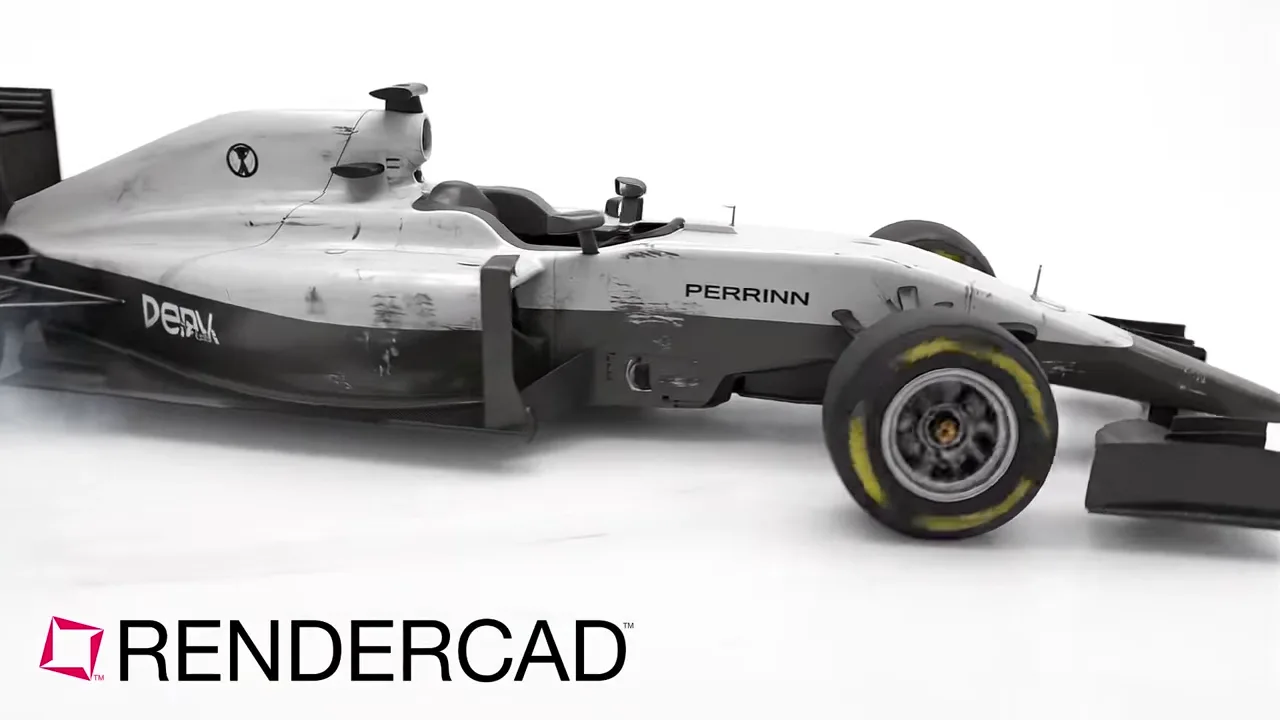
Presentation stills from SketchUp Pro scenes, sections, and LayOut viewports.
SketchUp Pro desktop modeling with saved scenes and LayOut viewports for design reviews, documentation, and presentation imagery.


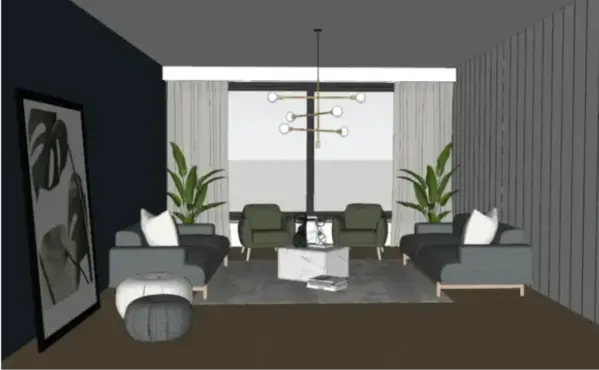
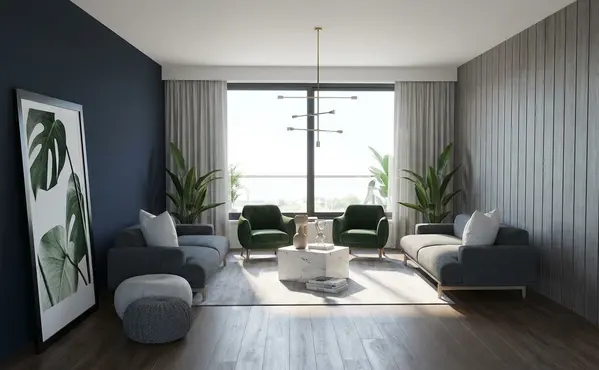
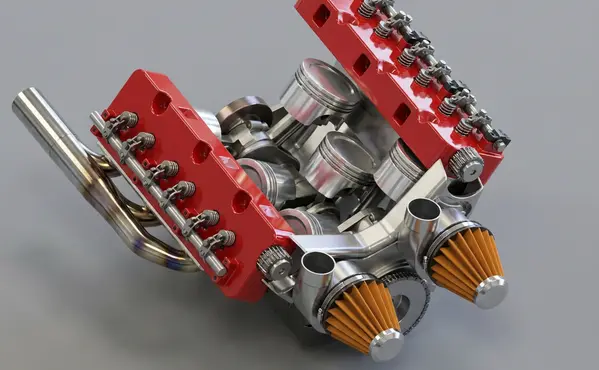


SketchUp Pro desktop modeling with saved scenes and LayOut viewports for design reviews, documentation, and presentation imagery.
SketchUp Pro fits design teams that use saved scenes to communicate a daylight facade, furnished interior, tagged planimetric view, or section cut through key spaces. A scene can retain the chosen view along with visible tags, style, shadows, and an active section plane, making it a useful visual brief before a presentation render is made. RENDERCAD can turn a clean SketchUp viewport capture or a LayOut model viewport into a more polished still while following the camera, massing, and design intent already established in the model. It is useful for client reviews, option studies, proposals, portfolio imagery, and early marketing visuals where material character, lighting, planting, furniture, or surrounding context need exploration. Keep the SketchUp model as the source of truth for dimensions, geometry, schedules, and design decisions; use the generated image as a presentation visual rather than as construction documentation.
In SketchUp Pro, compose a scene before capture: set the camera, visibility tags, display style, shadows, and, where appropriate, the active section plane. For a document-led review, select the same saved scene in a LayOut model viewport, then frame the viewport without dimensions, selection highlights, guides, or other drafting clutter. Use a sufficiently clear exported image or viewport capture so that openings, furniture, materials, and landscape boundaries are readable. Upload it to RENDERCAD with one focused direction, such as warm timber finishes, diffuse overcast exterior light, a planted streetscape, or restrained interior styling. Review the result against the SketchUp scene, correct the model when form or layout changes are needed, and create further image variations only after the base view is settled. This workflow supports still imagery; retain SketchUp and LayOut for editable model and document output. Use RENDERCAD developer documentation for current implementation guidance when automating image workflows.
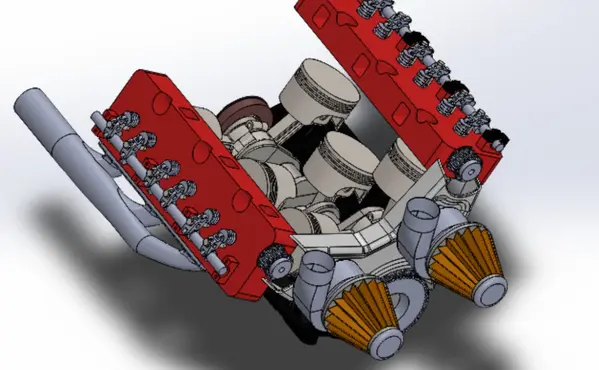
Modeled by CADSharp in Onshape. Rendered with RENDERCAD.
Add | Change | or Remove referenced objects with the stroke of a brush.
RENDERCAD uses a maintained selection of image-generation models for different rendering tasks. Results can vary by model and input, so compare generated output with the source design before relying on geometry, materials, or dimensions.
| Feature | RENDERCAD | V-Ray for SketchUp |
|---|---|---|
| Engine | Generative AI | V-Ray renderer for SketchUp with interactive and production rendering modes |
| Output | Images + Video | Rendered still images, animation sequences, panoramas, and render elements for compositing |
| Resolution | HD / 4K | Custom output dimensions, limited by scene complexity, memory, hardware, and settings |
| Image Speed | Image renders complete in 60 seconds. | Depends on scene detail, lighting, output settings, and available hardware |
| Video Speed | Videos complete in 2-5 minutes. | Animation output depends on frame count, quality settings, scene complexity, and hardware |
| Scene Set Up | No separate local scene | Prepare SketchUp scenes, then configure V-Ray materials, lights, environment, assets, camera, and render settings |
| Input | Screen Snip | SketchUp scenes and models prepared with V-Ray materials, lights, assets, environments, and cameras |
| Hardware | Cloud GPU | SketchUp desktop extension, subject to supported SketchUp versions and system requirements |
| Install | None | Install the V-Ray for SketchUp extension and activate a Chaos license |
| Cost | from $9/mo | Subscription licensing is available through Chaos |
Read the numbers. We trust you to know theirs.
Skip a separate local scene build. Pick a condition, material, and background while RENDERCAD handles the image-generation step. Image renders complete in 60 seconds.
 ™
RENDERCAD™
™
RENDERCAD™
Use the browser workflow directly, capture a selected view with the desktop app, or start from the browser extension.
Get StartedCommon solutions for SketchUp Pro users
It lets you describe motion, steam, lighting changes, or atmosphere for a generated clip. Added details may not exist in the source model.
Yes, if you are authorized to use its contents. A mood board can guide palette, lighting, and atmosphere; generated interpretation varies.
Use overlapping masked regions with separate references or instructions, then inspect the transition and iterate where a boundary is visible.
Yes. Mask a region, then assign a specific reference image just to that masked area. Other areas can have different references or default to the prompt.
While RENDERCAD generates full rectangular images, you can set the Background to "White" or "Grey" in Advanced Settings for easy masking in post-production.
Choose a suitable background and describe a reflective floor. Inspect the generated reflection for alignment, product fidelity, and unintended details.
Choose the Orbit camera preset and keep the source image as the authority for product shape and visible details. Generated parallax and newly revealed areas can vary.
If the source viewport is visible but a local renderer fails, capture a clear screenshot and use it as a RENDERCAD input. Image renders complete in 60 seconds.
Yes. Upload a photo of a foam model and prompt "Finished plastic product" to visualize the final look.
RENDERCAD is standalone. You don't need a SketchUp Pro rendering license - just the ability to view your model on screen.
Image renders complete in 60 seconds.
Generation runs on cloud infrastructure, so a local rendering GPU is not required. The device still needs sufficient resources for the source application, browser, and network connection.