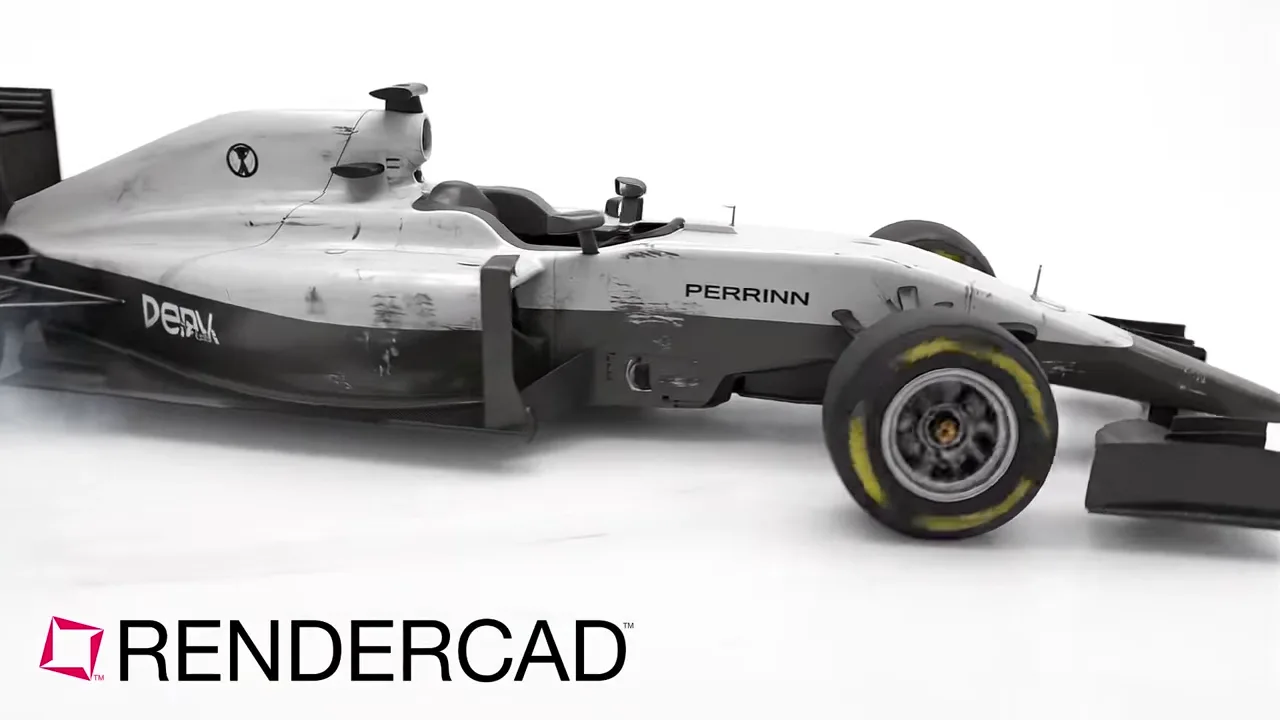
Turn legacy SketchUp Make scenes into polished architecture and furniture visuals.
Legacy desktop SketchUp modeler for opening and presenting existing SKP architecture, interior, furniture, landscape, and hobby projects. SketchUp Make is no longer supported, so it is best treated as the source of an established model and its design views rather than as a current production platform.


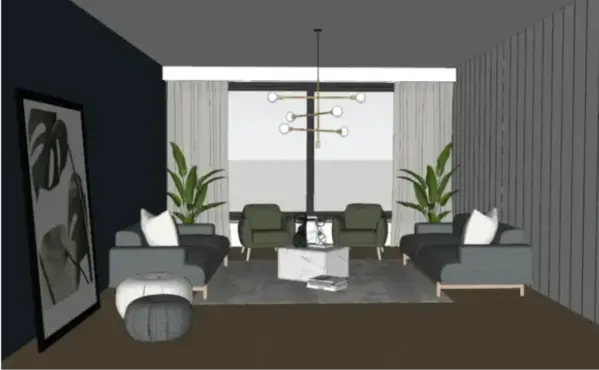
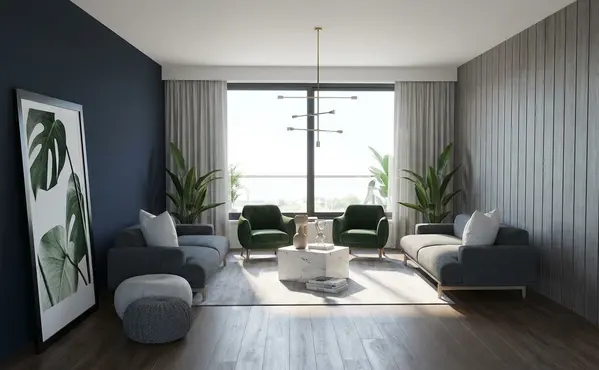


Legacy desktop SketchUp modeler for opening and presenting existing SKP architecture, interior, furniture, landscape, and hobby projects. SketchUp Make is no longer supported, so it is best treated as the source of an established model and its design views rather than as a current production platform.
SketchUp Make is a useful visual source when you need to reopen an existing SKP model for a small building study, room layout, furniture concept, garden feature, or component-based project. Frame a perspective, elevation, or section view that explains the design, then use a saved scene to retain the camera, visible geometry, style, shadow settings, and section state. A clean Make viewport capture or 2D graphic export gives RENDERCAD a grounded starting image for render-style stills. It can help explore finish direction, daylight or interior mood, background context, and presentation polish for concept reviews, portfolios, personal project boards, or early client conversations without rebuilding the underlying model. The output is a visual interpretation, not a replacement for the SKP file, dimensions, construction details, or design decisions held in SketchUp.
In SketchUp Make, establish the camera first, then create or update a scene so the view can be reproduced. Before saving it, hide construction geometry, set visibility for the elements that matter, choose a readable style, and decide whether shadows or a section cut clarify the design. Export the current view as a PNG or JPEG with File > Export > 2D Graphic, or capture a clean viewport screenshot with as little interface clutter as possible. Upload that image to RENDERCAD and iterate on material character, lighting, background, landscaping, or composition while preserving the camera intent. Compare the visual result with the Make model before sharing it, because generated details should not be used as geometry, measurements, or technical documentation. Keep the Make file as the source of truth for the model. Use RENDERCAD developer documentation for current guidance when automating image-to-render workflows.
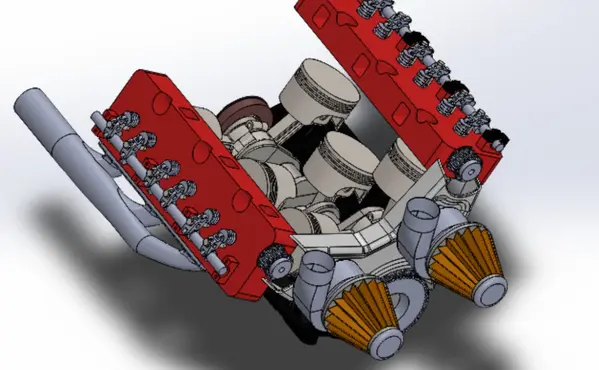
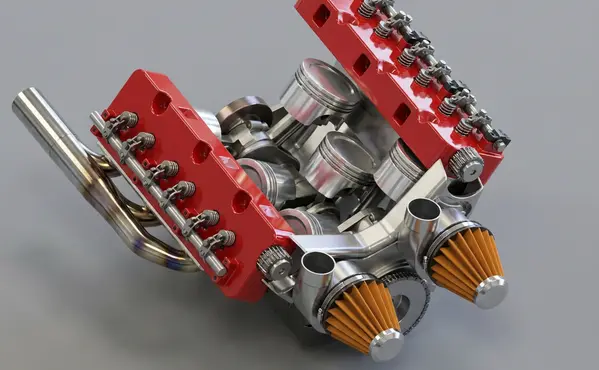
Modeled by CADSharp in Onshape. Rendered with RENDERCAD.
Add | Change | or Remove referenced objects with the stroke of a brush.
RENDERCAD uses a maintained selection of image-generation models for different rendering tasks. Results can vary by model and input, so compare generated output with the source design before relying on geometry, materials, or dimensions.
| Feature | RENDERCAD | Competitor |
|---|---|---|
| Engine | Generative AI | Varies by tool |
| Output | Images + Video | Varies by tool |
| Resolution | HD / 4K | Varies by workflow |
| Image Speed | Image renders complete in 60 seconds. | Varies by scene/tool |
| Video Speed | Videos complete in 2-5 minutes. | Varies by workflow |
| Scene Set Up | No separate local scene | Varies by workflow |
| Input | Screen Snip | Varies by tool |
| Hardware | Cloud GPU | Often local GPU/CPU |
| Install | None | Varies (web or app) |
| Cost | from $9/mo | Varies widely |
Read the numbers. We trust you to know theirs.
Skip a separate local scene build. Pick a condition, material, and background while RENDERCAD handles the image-generation step. Image renders complete in 60 seconds.
 ™
RENDERCAD™
™
RENDERCAD™
Use the browser workflow directly, capture a selected view with the desktop app, or start from the browser extension.
Get StartedCommon solutions for SketchUp Make users
Submit a clear viewport screenshot to the web workflow instead of running a local scene render. The generation request runs in the cloud while your source application remains separate.
Open the current desktop app or browser extension, select the viewport region, and send the captured image into the screenshot-based workflow. Availability and device requirements are documented on the current download pages.
RENDERCAD is standalone. You don't need a SketchUp Make rendering license - just the ability to view your model on screen.
It supports fast visual feedback from a clear viewport capture. Image renders complete in 60 seconds.
The current desktop app or browser extension can capture a selected viewport region and send that screenshot into the image workflow. The web upload path remains available without a CAD plugin.
Choose a background or describe the intended environment and lighting. Generated reflections and illumination are visual interpretations, not a scene-based light simulation.
4K is an optional output-resolution step. It increases pixel dimensions but does not restore missing source detail or guarantee print suitability.
It guides the video toward a looping transition. Review continuity after export because the first and last frames may still need editing.
Yes, if you are authorized to use its contents. A mood board can guide palette, lighting, and atmosphere; generated interpretation varies.
Mask individual components and assign color prompts or authorized references. Verify brand color in a color-managed workflow rather than relying on generated accuracy.
Share only reference images your team is authorized to use, together with the instructions and review criteria that produced a useful result. Reusing a reference can guide consistency but does not guarantee identical output.
Capture a clear view, describe the leather type and finish, and use a material reference when surface direction matters. Review the generated depth and stitching rather than treating them as product specifications.