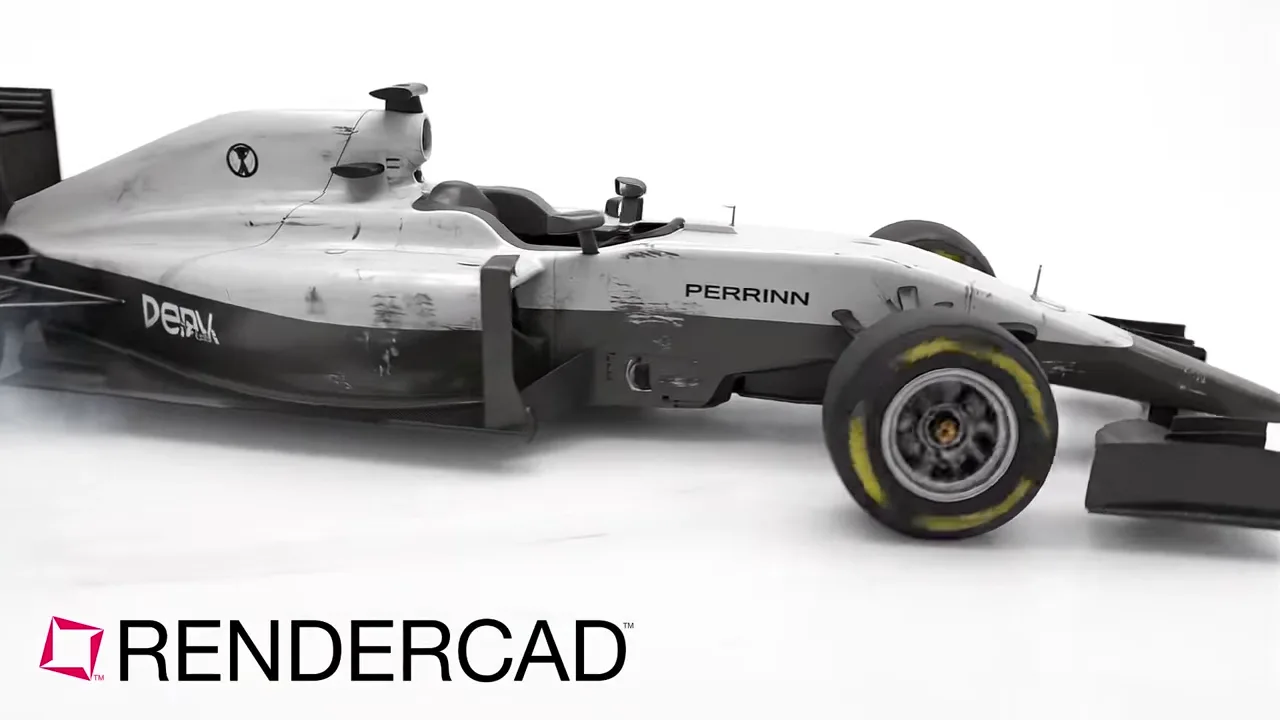
Turn SketchUp Free browser views into polished concept images.
Browser-based SketchUp modeler for early 3D concepts, room studies, massing, furniture layouts, objects, and shareable design views.


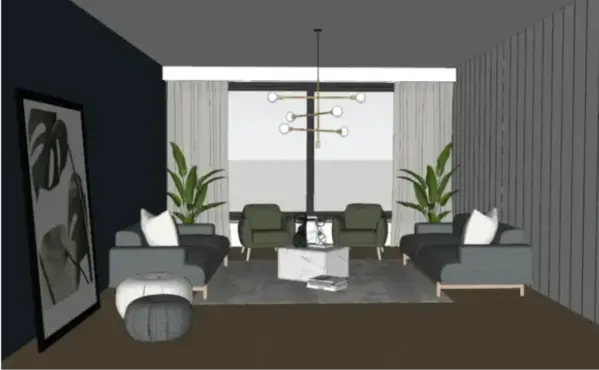
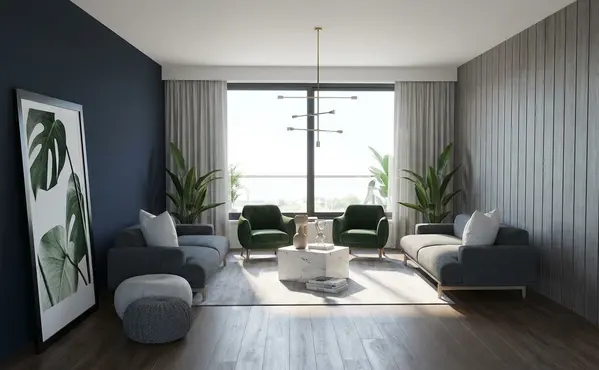


Browser-based SketchUp modeler for early 3D concepts, room studies, massing, furniture layouts, objects, and shareable design views.
SketchUp Free is well suited to shaping an idea in a browser before it is ready for a detailed visualization workflow. A visitor may be testing an exterior massing study, a room arrangement, a kitchen or furniture layout, a garden element, or a small product concept, often using simple materials and 3D Warehouse components to establish scale. When the model communicates the proposal, a deliberately framed perspective view or PNG export is a useful starting image for RENDERCAD. It can develop that selected view into a more polished render-style still with direction for daylight, interior mood, material character, landscaping, background, or a product setting. This is particularly useful for a concept review, client conversation, portfolio draft, listing image, or social update when the browser view remains visibly diagrammatic. RENDERCAD works from the chosen image, so it complements rather than replaces the SketchUp model: return to SketchUp Free for geometry, dimensions, component placement, and design decisions.
In SketchUp Free, finish the design decision that the image needs to show, then save or frame a readable camera view. A three-quarter perspective often works well for massing, furniture, and products; an eye-level interior view can make circulation, openings, and key surfaces easier to understand. Use preset materials, shadows, and 3D Warehouse objects sparingly to establish scale, but remove guides, axes, dimensions, selection outlines, panels, and temporary construction geometry before capturing the view or exporting PNG. Upload the clean image to RENDERCAD with a focused direction, such as soft daylight for a room study, a planted exterior context, or neutral studio lighting for an object. Review the resulting still for communication and visual direction, then revise the source model in SketchUp Free when the layout, proportions, or components need to change. It is not a substitute for a native desktop renderer, construction documentation, or exact verification of materials, lighting, and dimensions.
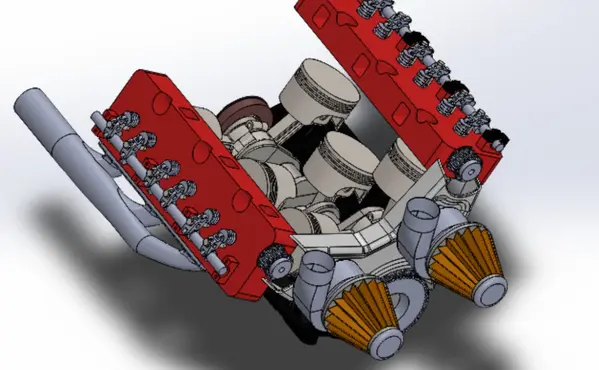
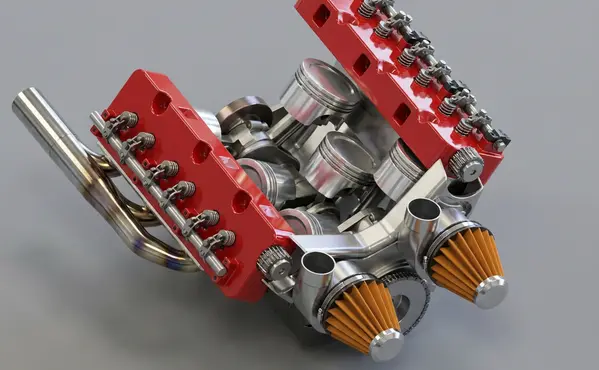
Modeled by CADSharp in Onshape. Rendered with RENDERCAD.
Add | Change | or Remove referenced objects with the stroke of a brush.
RENDERCAD uses a maintained selection of image-generation models for different rendering tasks. Results can vary by model and input, so compare generated output with the source design before relying on geometry, materials, or dimensions.
| Feature | RENDERCAD | V-Ray or Enscape for SketchUp |
|---|---|---|
| Engine | Generative AI | Desktop SketchUp render plugins using path tracing or real-time visualization engines |
| Output | Images + Video | Still images, panoramas, walkthroughs, animations, and video depending on renderer and setup |
| Resolution | HD / 4K | Controlled by renderer settings, license terms, scene complexity, and local hardware |
| Image Speed | Image renders complete in 60 seconds. | Interactive previews to longer final renders depending on scene complexity and hardware |
| Video Speed | Videos complete in 2-5 minutes. | Depends on animation length, frame settings, renderer, and workstation performance |
| Scene Set Up | No separate local scene | Install the desktop extension, then tune materials, lighting, cameras, environments, and render presets |
| Input | Screen Snip | A SketchUp model opened in a compatible desktop SketchUp application through an installed extension rather than the Free browser workspace |
| Hardware | Cloud GPU | Desktop SketchUp on supported Windows or macOS configurations; feature support varies by renderer |
| Install | None | Desktop plugin or extension install required |
| Cost | from $9/mo | Commercial renderer or bundle licensing; terms vary by vendor and account type |
Read the numbers. We trust you to know theirs.
Skip a separate local scene build. Pick a condition, material, and background while RENDERCAD handles the image-generation step. Image renders complete in 60 seconds.
 ™
RENDERCAD™
™
RENDERCAD™
Use the browser workflow directly, capture a selected view with the desktop app, or start from the browser extension.
Get StartedCommon solutions for SketchUp Free users
Generating images or videos consumes credits. Your balance refreshes monthly based on your subscription plan.
Describe cinematic depth of field and the intended focus area. Check that important product details remain sharp after generation.
RENDERCAD can place a clear viewport capture into a described lifestyle environment, such as a kitchen or office, and produce options for review.
The screenshot workflow uses image inputs, presets, and plain-language direction. Teams should still review generated output with the appropriate designer or product owner.
Use a condition preset or regional instruction to explore dust, scratches, or age. Generated wear patterns do not predict real product use.
A supported browser can submit a clear 2D input without a local rendering GPU.
The current desktop app or browser extension can capture a selected view and send the screenshot into RENDERCAD without a CAD rendering plugin.
Yes, if you are authorized to use it. A reference guides visual direction but does not guarantee style replication or geometry preservation.
Select the glass or transparent components with a mask. Apply glass-specific prompts to the masked area while treating opaque parts differently.
Yes, when you are authorized to use them. A generated concept can guide the visual direction of a later render, but product fidelity and style consistency still require review.
Upload a clear image, describe denim, cotton, velvet, or another fabric, and add a material reference when available. Check the generated weave scale and direction against the intended product.
Upload a clear image, choose the Realistic engine, and describe a large soft light source or overcast lighting. Generated shadows are visual approximations, not a physical lighting calculation.