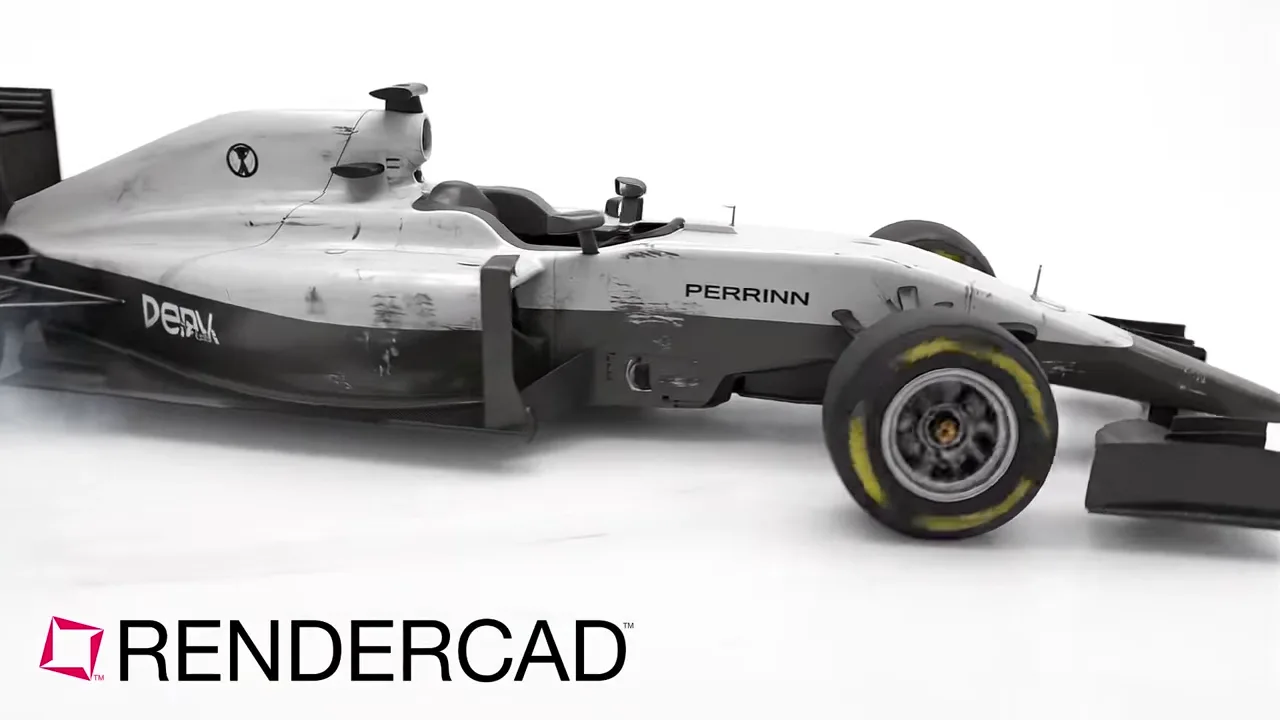
Develop clear SketchBook concepts into render-style presentation visuals.
Drawing and painting software for layered concept sketches, color studies, and visual exploration before a presentation direction is chosen


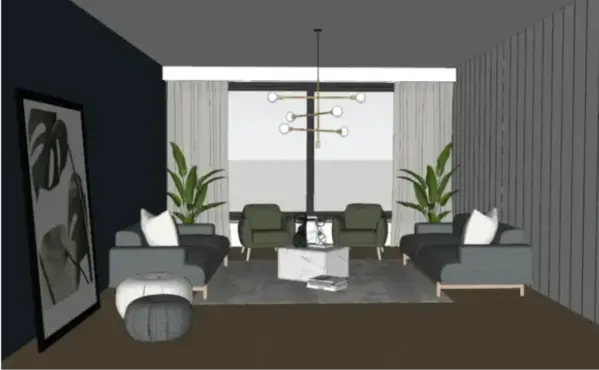
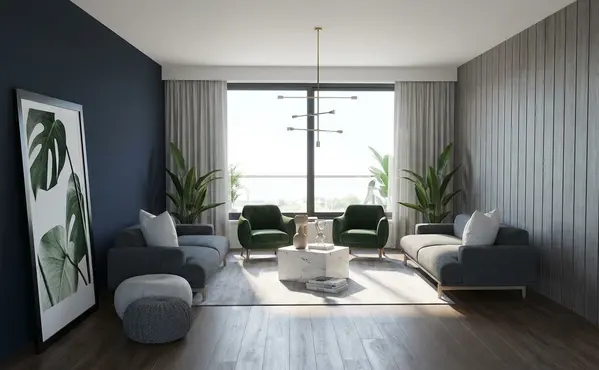


Drawing and painting software for layered concept sketches, color studies, and visual exploration before a presentation direction is chosen
SketchBook is a strong starting point when the important decision is the visual idea rather than a finished 3D model: a product silhouette, vehicle profile, furniture study, room composition, prop, character, or environmental keyframe. Its layers let an artist keep construction lines, local color, shadows, annotations, and alternative details separate while testing the hierarchy of the image. Once one direction reads clearly, make a clean flattened PNG or JPEG that retains the intended camera view, subject boundaries, major color blocks, and any essential material cues. RENDERCAD can use that selected canvas to explore render-style presentation variations for a concept review, pitch board, design conversation, or marketing-direction reference. It is especially useful when a sketch has convincing design intent but needs a more resolved sense of light, finish, and context to help others evaluate it. SketchBook remains the source of truth for the original drawing, layer structure, and hand-painted corrections; use the RENDERCAD result as a visual direction to refine rather than as a replacement for precise drawing decisions.
In SketchBook, organize the canvas so the chosen option is unambiguous: keep the final line drawing and color or value study visible, and hide rejected variations, loose references, and process notes. Check that the crop and perspective communicate the intended view before exporting a flattened PNG or JPEG; PNG can be helpful where crisp line work matters. Upload the clean image to RENDERCAD and describe the desired presentation direction, such as a studio product view, lived-in interior, cinematic environment, or material-focused design study. Compare the resulting visual directions against the original sketch, then return to SketchBook to paint over the selected cues or use them to brief 3D development. Do not rely on the generated result for dimensions, construction details, or exact branded graphics - keep those decisions in the original artwork and design files.
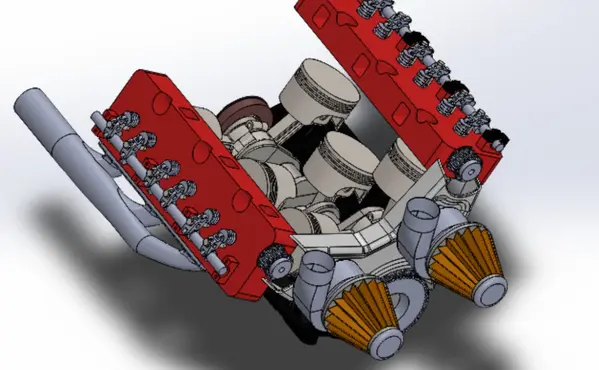
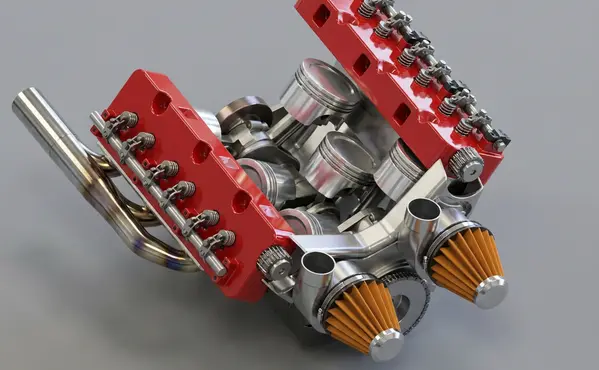
Modeled by CADSharp in Onshape. Rendered with RENDERCAD.
Add | Change | or Remove referenced objects with the stroke of a brush.
RENDERCAD uses a maintained selection of image-generation models for different rendering tasks. Results can vary by model and input, so compare generated output with the source design before relying on geometry, materials, or dimensions.
| Feature | RENDERCAD | Competitor |
|---|---|---|
| Engine | Generative AI | Varies by tool |
| Output | Images + Video | Varies by tool |
| Resolution | HD / 4K | Varies by workflow |
| Image Speed | Image renders complete in 60 seconds. | Varies by scene/tool |
| Video Speed | Videos complete in 2-5 minutes. | Varies by workflow |
| Scene Set Up | No separate local scene | Varies by workflow |
| Input | Screen Snip | Varies by tool |
| Hardware | Cloud GPU | Often local GPU/CPU |
| Install | None | Varies (web or app) |
| Cost | from $9/mo | Varies widely |
Read the numbers. We trust you to know theirs.
Skip a separate local scene build. Pick a condition, material, and background while RENDERCAD handles the image-generation step. Image renders complete in 60 seconds.
 ™
RENDERCAD™
™
RENDERCAD™
Use the browser workflow directly, capture a selected view with the desktop app, or start from the browser extension.
Get StartedCommon solutions for SketchBook users
Yes. A current desktop capture app and browser extension are available, and the browser upload workflow remains available without either tool.
Prompt "1950s appliance style, retro photography."
Generation runs on cloud infrastructure, so a local rendering GPU is not required. The laptop still needs a supported browser, network access, and enough resources for the source application and image upload.
The core workflow is available in a supported browser and accepts a selected 2D image, so it does not require a rendering plugin in the source application.
The model can reinterpret curves and surface transitions from the 2D input. Compare the result with the source because edges and geometry can drift.
It accepts a clear viewport screenshot, so a separate local material, light, and camera scene is not required for the image-generation workflow.
It lets you describe motion, steam, lighting changes, or atmosphere for a generated clip. Added details may not exist in the source model.
Yes. You can add up to six authorized reference images per render and provide instructions or masks for targeted direction.
Yes. Use a mask to target the background separately from the foreground product. Review both regions because generation can still alter unmasked content.
Yes, if the license permits this use. A stock image can guide a background or environment, while placement and lighting remain generated interpretations.
Capture the model, describe the wood species and grain direction, and add an authorized material reference when needed. Generated grain varies and should be reviewed for scale and orientation.
Choose a suitable background and describe a reflective floor. Inspect the generated reflection for alignment, product fidelity, and unintended details.