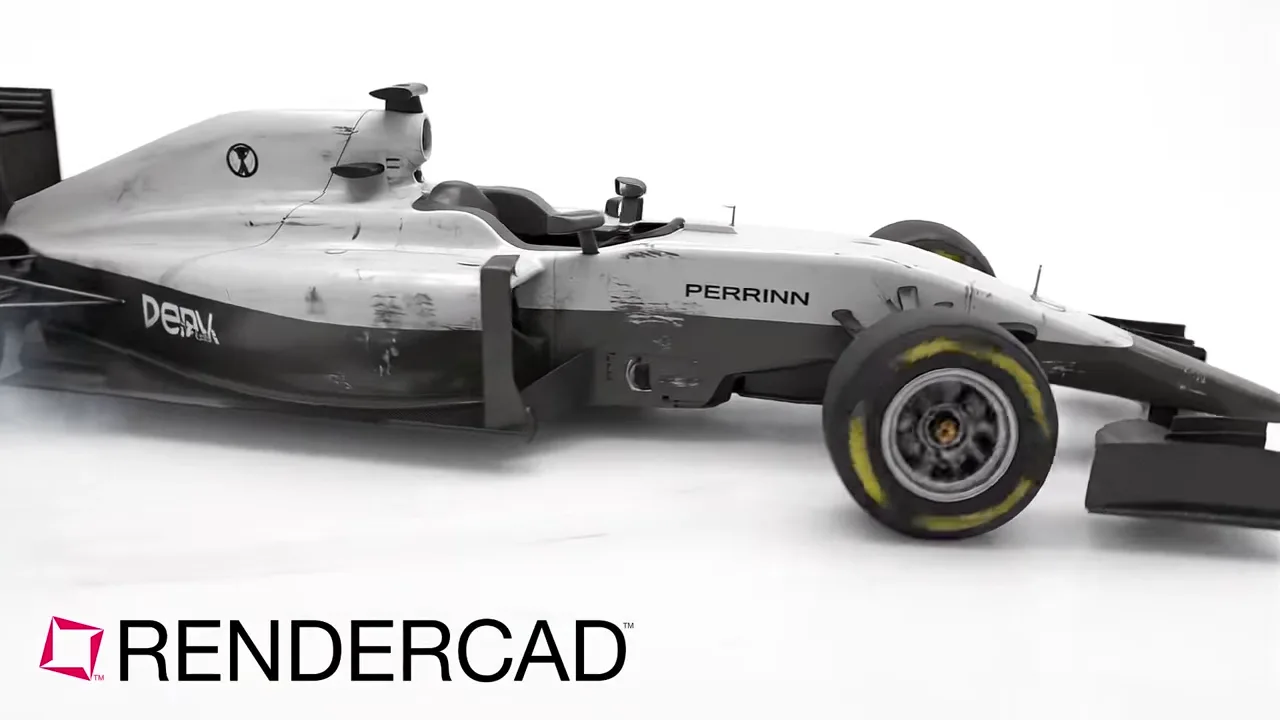
Develop Sketchable drawings into material and lighting studies.
Sketchable is a Windows pen and touch drawing and painting workspace for layered artwork, image augmentation, and digital concept studies. Its stylus-oriented canvas makes it practical for quickly developing a product silhouette, furniture proposal, vehicle sketch, packaging front view, or interior perspective before a detailed 3D model exists.


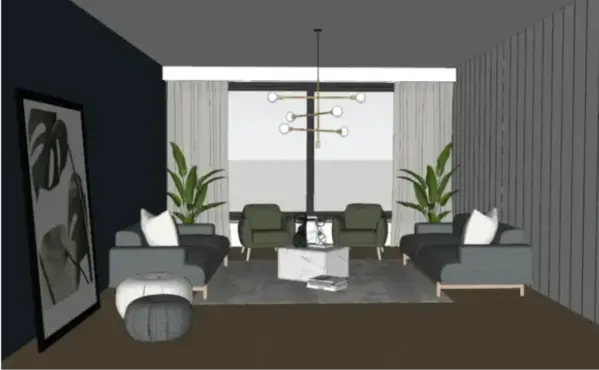
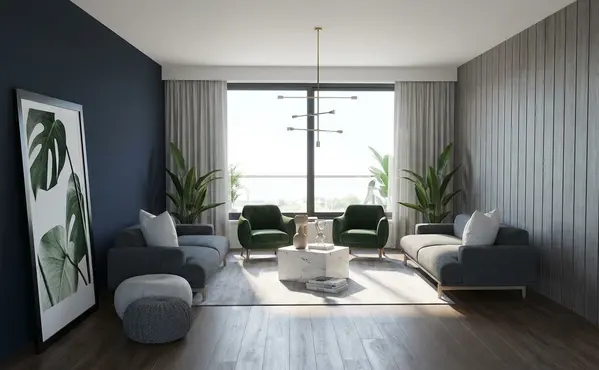


Sketchable is a Windows pen and touch drawing and painting workspace for layered artwork, image augmentation, and digital concept studies. Its stylus-oriented canvas makes it practical for quickly developing a product silhouette, furniture proposal, vehicle sketch, packaging front view, or interior perspective before a detailed 3D model exists.
Sketchable is useful when the important design decisions are already visible in a hand-drawn view: the object silhouette, proportion, camera angle, major color blocks, and relationship to its surroundings. Artists and designers can use its layered canvas to keep a loose construction drawing, a cleaner line layer, paint, and imported reference separate while developing a product concept, room study, vehicle idea, or illustrated marketing direction. For a RENDERCAD input, the most helpful view is a clean, single composition with the intended subject large enough to read and perspective cues that make the viewpoint unambiguous. RENDERCAD can turn that visual brief into material, lighting, shadow, and context studies for an early review, mood board, or client-facing concept. It does not replace the Sketchable source artwork or establish final CAD dimensions, manufacturing detail, or approved material specifications.
In Sketchable, separate the line drawing, color or paint, and imported reference so the final composition stays readable. Hide notes, tracing aids, and reference layers that should not influence the visual result, then export a clean canvas image with the subject, horizon, and key edges visible. Upload the image to RENDERCAD and state the material direction, lighting mood, camera feel, and setting you want to test. Compare a small set of render-style directions, return to Sketchable to adjust the drawing or paintover, and use the selected visual as presentation support rather than as the source of technical design decisions.
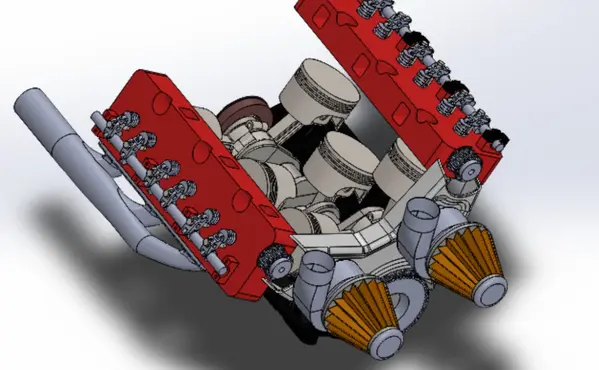
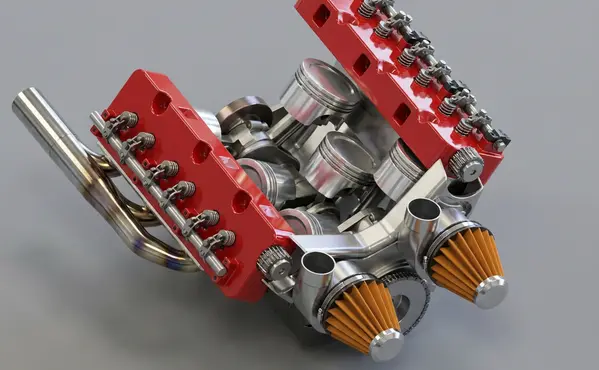
Modeled by CADSharp in Onshape. Rendered with RENDERCAD.
Add | Change | or Remove referenced objects with the stroke of a brush.
RENDERCAD uses a maintained selection of image-generation models for different rendering tasks. Results can vary by model and input, so compare generated output with the source design before relying on geometry, materials, or dimensions.
| Feature | RENDERCAD | Competitor |
|---|---|---|
| Engine | Generative AI | Varies by tool |
| Output | Images + Video | Varies by tool |
| Resolution | HD / 4K | Varies by workflow |
| Image Speed | Image renders complete in 60 seconds. | Varies by scene/tool |
| Video Speed | Videos complete in 2-5 minutes. | Varies by workflow |
| Scene Set Up | No separate local scene | Varies by workflow |
| Input | Screen Snip | Varies by tool |
| Hardware | Cloud GPU | Often local GPU/CPU |
| Install | None | Varies (web or app) |
| Cost | from $9/mo | Varies widely |
Read the numbers. We trust you to know theirs.
Skip a separate local scene build. Pick a condition, material, and background while RENDERCAD handles the image-generation step. Image renders complete in 60 seconds.
 ™
RENDERCAD™
™
RENDERCAD™
Use the browser workflow directly, capture a selected view with the desktop app, or start from the browser extension.
Get StartedCommon solutions for Sketchable users
Describe the finish, gloss, grain direction, and lighting, or provide an authorized material reference. Generated reflections are visual approximations rather than physically verified material behavior.
It uses generative image models with screenshot or image inputs. Models and features can change over time, so current product documentation is the source of truth.
Video jobs consume credits based on current duration and model settings. Check the pricing page for current costs rather than comparing with an assumed outsourcing price.
A material photo can communicate grain, color, and finish more directly than text alone. Compare the result with the intended material because scale and orientation can drift.
Masking lets you target a region of a CAD screenshot, real photo, or hand drawing with a reference image or instruction. Generation can still affect other regions, so inspect the full result.
Reuse the same source image with authorized daytime and night lighting references or instructions. Compare both outputs with the source because lighting changes can also alter generated details.
Describe the tint, transparency, thickness, and lighting direction. Generated absorption and reflections are visual approximations and should not be treated as material simulation.
Add phrases like "Light from left," "Backlit," or "Top down lighting" to your custom prompt in RENDERCAD.
Yes, use the "Details" field in the video tab to describe elements like "Steam rising" or "Lights flickering."
Submit a clear viewport screenshot to the web workflow instead of running a local scene render. The generation request runs in the cloud while your source application remains separate.
Open the current desktop app or browser extension, select the viewport region, and send the captured image into the screenshot-based workflow. Availability and device requirements are documented on the current download pages.
Use the web upload workflow, the current desktop capture app, or the browser extension to submit a selected 2D view. This is a screenshot workflow, not a native CAD-file or renderer integration.