Presentation visuals from Siemens Capital harness and electrical system views.
Siemens Capital is an electrical systems and wire harness software suite used to develop wiring designs, detailed harness definitions, manufacturing information, formboard drawings, and related documentation. Its graphical views can connect electrical intent with the physical product context, including routed harnesses, connectors, coverings, clips, and installation locations. Those views are valuable technical references, but they can be crowded with design data that is not needed in a presentation.




Siemens Capital is an electrical systems and wire harness software suite used to develop wiring designs, detailed harness definitions, manufacturing information, formboard drawings, and related documentation. Its graphical views can connect electrical intent with the physical product context, including routed harnesses, connectors, coverings, clips, and installation locations. Those views are valuable technical references, but they can be crowded with design data that is not needed in a presentation.
Use RENDERCAD when a Siemens Capital team needs to explain how an electrical system or wire harness relates to the finished vehicle, machine, aircraft, or equipment assembly. A clean Capital or connected mechanical-design viewport can make a strong starting point for a visual that shows a harness route through an enclosure, the relationship between connectors and surrounding hardware, or a finished harness assembly in product context. This is especially useful for cross-functional reviews, supplier discussions, training material, proposals, and program presentations where a dense schematic or formboard drawing alone is difficult for a non-specialist audience to read. RENDERCAD can turn that carefully selected source view into clearer communication artwork while preserving the intended product story. It is not a replacement for Capital design data: connectivity, component selection, wire lengths, validation results, manufacturing sequences, formboard dimensions, and released documentation must remain governed by the approved Capital workflow.
Start with the view that best communicates the physical question. For a design review, use a routed harness or installation view that clearly shows the product envelope, branch points, connectors, and nearby mechanical features. For manufacturing or training communication, a simplified harness assembly or formboard-related view can show the overall routing and major build features without exposing every table, rule marker, or revision note. Isolate the relevant configuration, choose a readable camera angle, and hide nonessential panels and annotations. Keep only a small number of labels when they clarify the story. Capture a clean image, then send it to RENDERCAD with a direction such as a studio product view, installed equipment view, or restrained technical illustration. Review the result against the source image for visual fidelity before using it in slides, proposals, training, or stakeholder updates. Refer engineers and manufacturing users back to Capital and controlled documentation for all authoritative harness and production details.
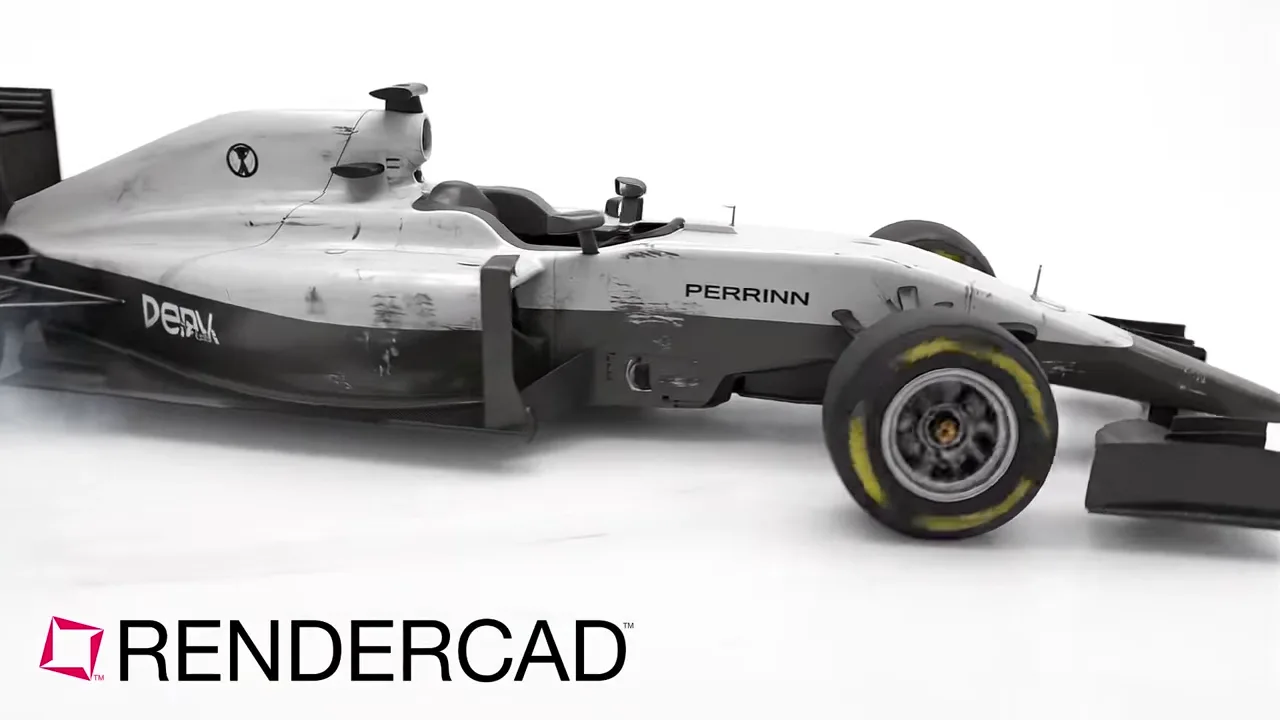
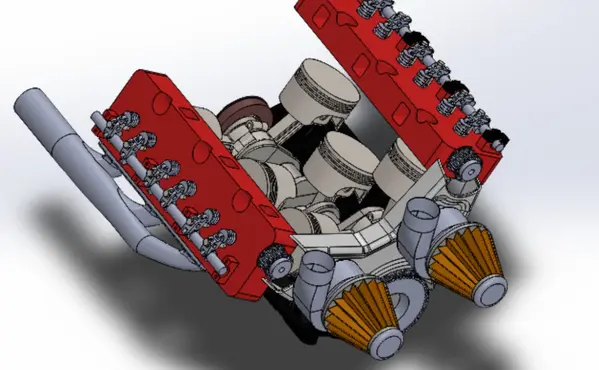
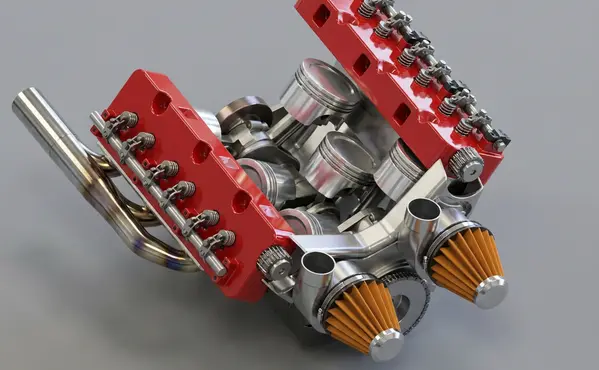
Modeled by CADSharp in Onshape. Rendered with RENDERCAD.
Add | Change | or Remove referenced objects with the stroke of a brush.
RENDERCAD uses a maintained selection of image-generation models for different rendering tasks. Results can vary by model and input, so compare generated output with the source design before relying on geometry, materials, or dimensions.
| Feature | RENDERCAD | Competitor |
|---|---|---|
| Engine | Generative AI | Varies by tool |
| Output | Images + Video | Varies by tool |
| Resolution | HD / 4K | Varies by workflow |
| Image Speed | Image renders complete in 60 seconds. | Varies by scene/tool |
| Video Speed | Videos complete in 2-5 minutes. | Varies by workflow |
| Scene Set Up | No separate local scene | Varies by workflow |
| Input | Screen Snip | Varies by tool |
| Hardware | Cloud GPU | Often local GPU/CPU |
| Install | None | Varies (web or app) |
| Cost | from $9/mo | Varies widely |
Read the numbers. We trust you to know theirs.
Skip a separate local scene build. Pick a condition, material, and background while RENDERCAD handles the image-generation step. Image renders complete in 60 seconds.
 ™
RENDERCAD™
™
RENDERCAD™
Use the browser workflow directly, capture a selected view with the desktop app, or start from the browser extension.
Get StartedCommon solutions for Siemens Capital users
Upload a clear image, choose the Realistic engine, and describe the intended glass type, tint, and lighting. Transparency and reflections can vary between generations, so inspect the output before use.
Add phrases like "Light from left," "Backlit," or "Top down lighting" to your custom prompt in RENDERCAD.
Videos complete in 2-5 minutes.
Submit a clear viewport screenshot to the web workflow instead of running a local scene render. The generation request runs in the cloud while your source application remains separate.
Open the current desktop app or browser extension, select the viewport region, and send the captured image into the screenshot-based workflow. Availability and device requirements are documented on the current download pages.
Use a high-resolution, clear input and Exact style, but expect generated text to drift. Add critical labels in a graphics editor after generation rather than relying on AI text fidelity.
It supports fast visual feedback from a clear viewport capture. Image renders complete in 60 seconds.
The current desktop app or browser extension can capture a selected viewport region and send that screenshot into the image workflow. The web upload path remains available without a CAD plugin.
Choose a background or describe the intended environment and lighting. Generated reflections and illumination are visual interpretations, not a scene-based light simulation.
4K is an optional output-resolution step. It increases pixel dimensions but does not restore missing source detail or guarantee print suitability.
It guides the video toward a looping transition. Review continuity after export because the first and last frames may still need editing.
Yes, if you are authorized to use the photo. It can guide the environment, while placement, lighting, and shadows remain generated interpretations.