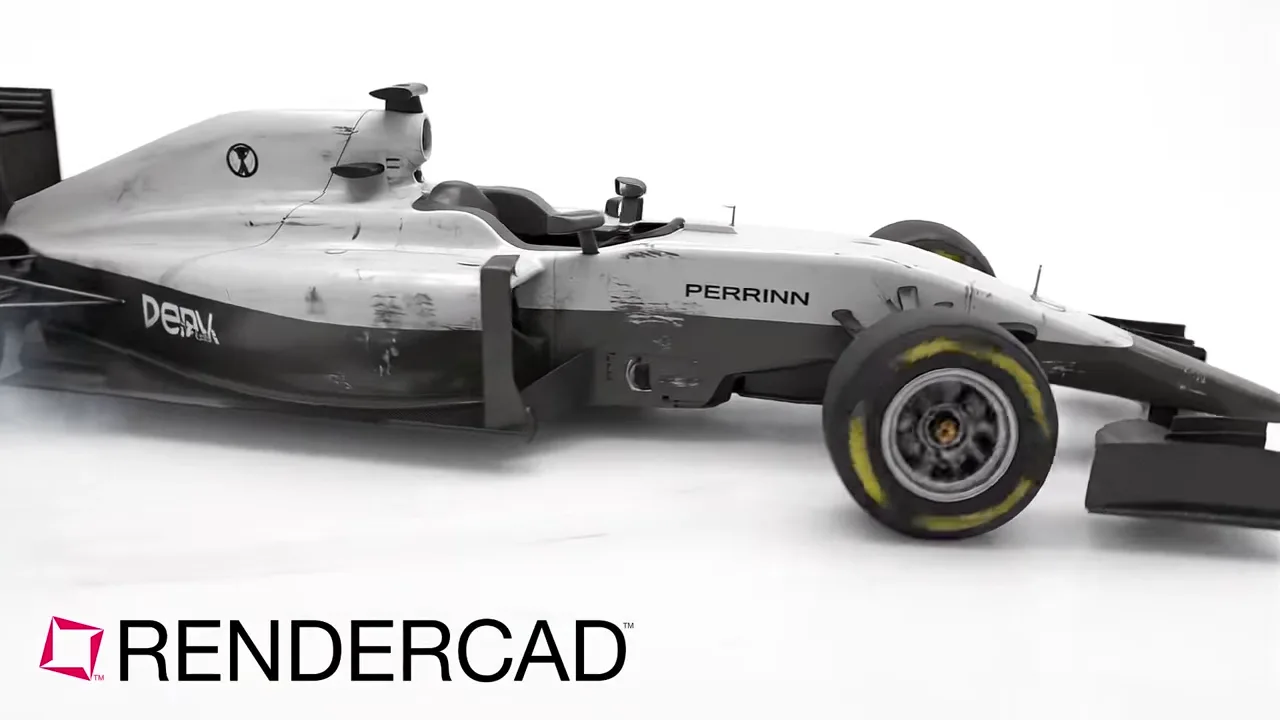
Develop product presentation images from selected Shapr3D views.
Begin with one clear PNG or JPEG from the selected Shapr3D modeling or Visualization view. Page media shows general RENDERCAD examples and an Onshape motion example, not Shapr3D footage, models, interface screens, or native output.


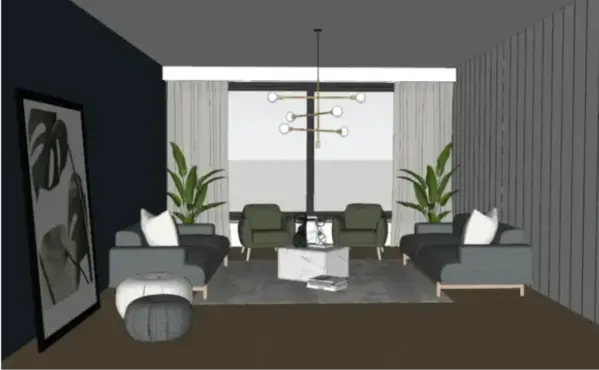
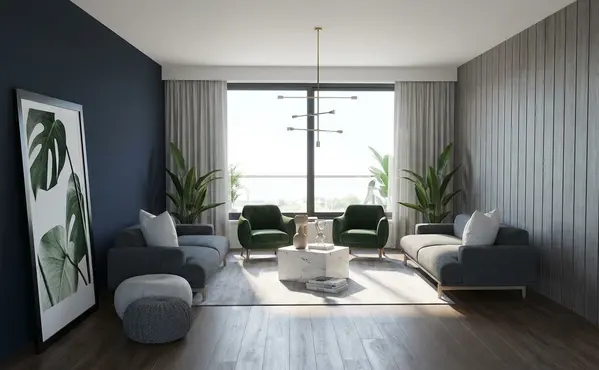
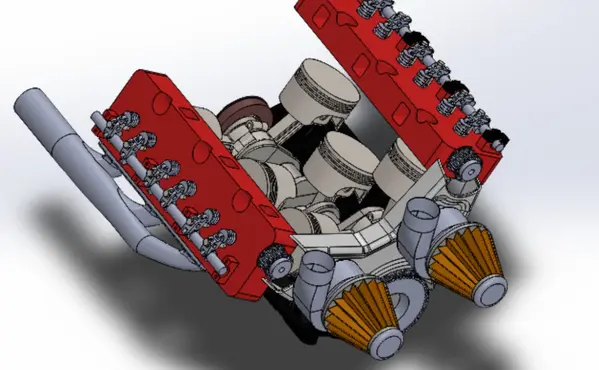
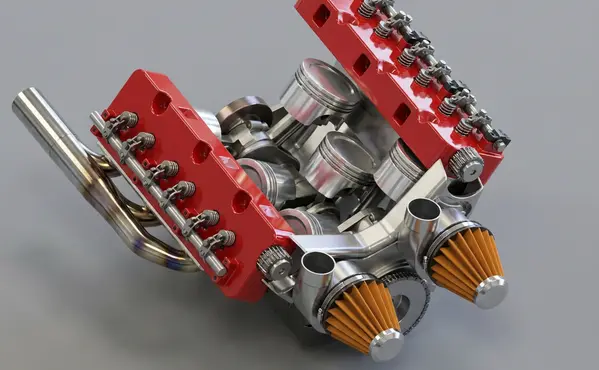


Shapr3D combines solid modeling, technical drawings, CAD exchange, and product presentation in one workspace. Designers can frame a clean modeling view or use Visualization to add materials, an environment, lighting, and camera treatment. Available tools and export options vary by platform and subscription. RENDERCAD begins with one flat image from the Screenshot tool or Visualization.
Use this workflow when the Shapr3D model already communicates the form, proportions, interfaces, and assembly relationships under discussion. A clean modeling view works well for silhouette and feature review. A Visualization view provides stronger guidance when assigned materials, reflections, shadows, environment lighting, or depth of field already support the intended presentation.
RENDERCAD can explore a studio composition, product-launch mood, contextual setting, finish direction, or portfolio image from that chosen view. It is useful for design reviews, proposals, stakeholder updates, and early campaign exploration. Keep geometry, dimensions, tolerances, drawings, materials, and manufacturing decisions in Shapr3D and the project's engineering documents.
In the modeling workspace, use Items Manager to show the bodies needed for one clear product story. Hide sketches, dimensions, grids, edges, construction items, or surrounding bodies when they compete with the form. Choose an angle that explains the important surfaces, interfaces, and scale cues. The Screenshot tool can help prepare a clean image.
For a richer source, open Visualization and set materials, environment lighting, ground plane, field of view, and depth of field around the composition. Export or capture the chosen view as PNG or JPEG. Send it to RENDERCAD with one clear presentation goal, then compare every result with the unchanged Shapr3D view. Return to Shapr3D for modeling, drawing, tolerance, assembly, material, or manufacturing changes.
This general RENDERCAD motion example uses an Onshape model, not Shapr3D. Generated motion begins with one image and does not use Shapr3D bodies, sketches, materials, drawings, saved views, camera controls, or hidden geometry.
Mark part of the presentation image and request a change to its color, finish, lighting, background, or surrounding detail. This edits pixels rather than Shapr3D faces, bodies, sketches, materials, dimensions, or drawings.
Try another image model for a studio treatment, contextual scene, material mood, or campaign style. Keep the Shapr3D capture beside each result so the silhouette, interfaces, proportions, and important features remain recognizable.
| Feature | RENDERCAD | Shapr3D Modeling / Visualization |
|---|---|---|
| Engine | Generative image models | Solid modeling with integrated materials, environments, lighting, camera controls, and technical drawings |
| Output | Presentation images + optional generated video | CAD exports, technical drawings, Screenshots, and Visualization images, with options depending on plan and platform |
| Resolution | HD / 4K | Screenshot output can be configured up to 8K, subject to the current device and tool settings |
| Image Speed | About 60 seconds | Interactive modeling and Visualization performance depends on model complexity, display settings, and device |
| Optional motion | Generated image-to-video | Visualization and Generative Render create native still-image treatments; generated presentation motion is a separate workflow |
| Scene Set Up | Flat PNG or JPEG + prompt | Visible bodies, materials, environment, ground plane, camera, field of view, depth of field, and Screenshot settings |
| Input | One PNG or JPEG | Native Shapr3D projects and supported imported CAD data |
| Hardware | Cloud processing | Supported iPadOS, macOS, Windows, and visionOS devices; no Android app |
| Install | Web app | Installed Shapr3D app with features determined by the current platform and subscription |
| Cost | From $9/mo | Basic is free; Pro and Enterprise are paid, Educational access is available to eligible users, and no perpetual license is offered |
Shapr3D holds the editable solid model, drawings, materials, and dimensions. RENDERCAD interprets one flattened PNG or JPEG and creates separate presentation imagery.
Choose a modeling or Visualization angle around one design question. Keep useful surface, interface, and scale cues visible, then hide grids, sketches, dimensions, selections, construction items, and unrelated bodies that distract from the product.
 ™
RENDERCAD™
™
RENDERCAD™
Use Shapr3D's Screenshot tool, capture the selected region with the desktop app, or upload an existing PNG or JPEG. RENDERCAD receives visible pixels rather than the Shapr3D project or CAD geometry.
Get StartedShapr3D platforms, plans, Visualization, Screenshot controls, and image limits
Shapr3D documents native apps for Windows, macOS, iPadOS, and visionOS. Android is not supported. Device and operating-system requirements can change, so check Shapr3D's current compatibility guidance for the installation you use.
No. Basic, Pro, Enterprise, and Educational access differ. Basic export is limited, Pro adds broader CAD, manufacturing, image, and AR output, and Enterprise adds advanced CAD exchange. Check the current plan matrix for each feature.
Use a modeling view when silhouette, proportion, and feature layout matter most. Use Visualization when its materials, environment, lighting, shadows, field of view, or depth of field already guide the intended presentation.
Frame one clear angle and remove interface distractions. Use its background, transparency, edge, grid, and resolution controls to create a clean image while keeping the product's important surfaces and scale cues readable.
Yes. Visualization provides real-time materials, environments, lighting, camera controls, and depth of field. Shapr3D also documents Generative Render, with access and limits varying by plan. RENDERCAD is a separate optional image workflow.
No. Upload one flat PNG or JPEG from the prepared view. The native project, imported geometry, bodies, folders, sketches, construction geometry, drawings, dimensions, materials, and metadata do not transfer.
No. Use it to discuss visual direction. Confirm dimensions, tolerances, wall thickness, clearances, fit, materials, production methods, drawing details, and manufacturing readiness in Shapr3D and the controlled engineering workflow.
No. RENDERCAD motion starts from one flat image and has no bodies, hidden geometry, assemblies, saved views, camera path, or depth data. Review newly revealed surfaces and product details carefully between frames.