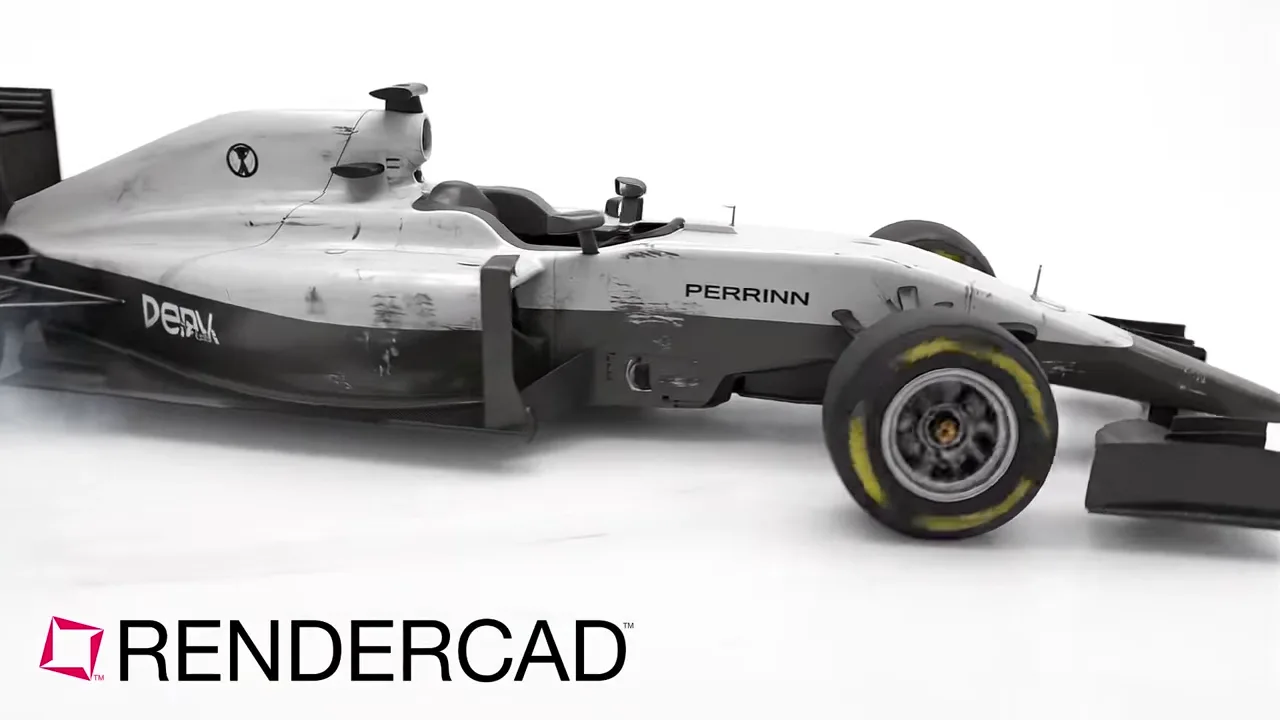
Use Redshift Render View studies to develop polished AI concepts before final 3ds Max renders.
Develop Redshift for 3ds Max Render View studies into AI concept stills for look development and visual review.


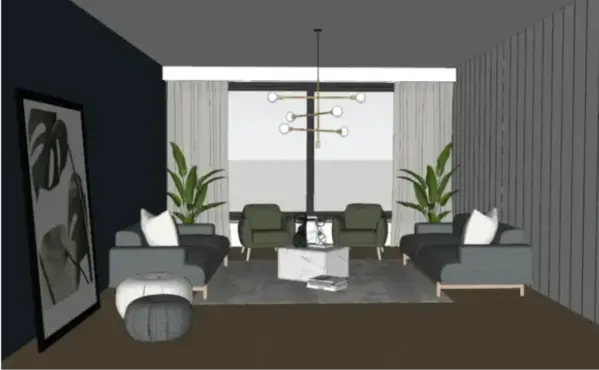
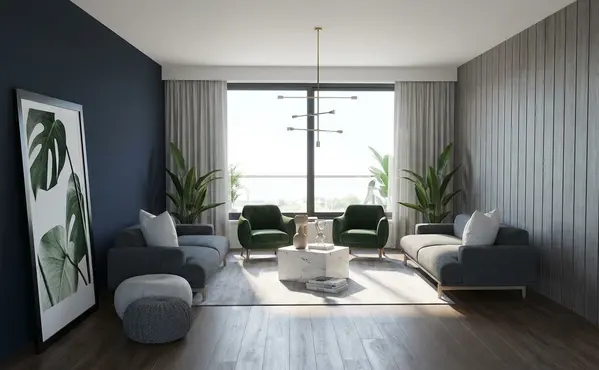
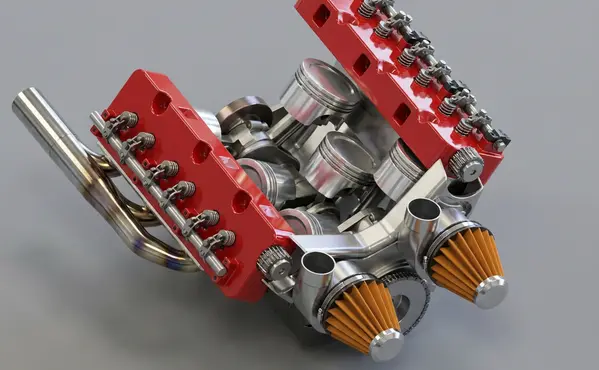


Develop Redshift for 3ds Max Render View studies into AI concept stills for look development and visual review.
Redshift for 3ds Max is used to render a 3ds Max scene while artists develop camera framing, Redshift materials, lights, sampling, post effects, and render passes. Its Redshift Render View supports interactive preview rendering and can display AOVs, so it is a useful place to judge a beauty pass, clay study, or early lighting direction before production settings are final. For product visualization, architecture, automotive, packaging, or interior work, a clear camera image can communicate the form, key materials, and intended atmosphere even when the scene is still being tuned. RENDERCAD can turn that intentional view into a polished concept still for a client conversation, art-direction board, marketing exploration, or design review. Use it to test presentation choices such as a studio-like treatment, a warmer environment, stronger contrast, or a more editorial composition. The resulting image is visual direction, not a replacement for the 3ds Max scene. Return to Redshift when the deliverable requires controlled geometry, camera matching, physical material response, AOVs, repeatable render settings, or frame-by-frame animation.
In 3ds Max, choose the production camera or make a dedicated review camera, then use Redshift Render View and interactive preview rendering to settle the overall read. A beauty preview is often the best input when it already shows the product silhouette, architectural massing, or interior layout. A clay render can be more useful when the question is form and lighting rather than surface finish. Keep the capture clean: hide selection overlays and panels, retain enough background to establish the composition, and avoid a crop that conceals important edges. Upload the chosen view to RENDERCAD with a focused brief for the desired lighting, material mood, setting, and audience. Compare the concept stills, then translate the selected direction back into the Redshift scene by adjusting lights, materials, camera, and post effects. Use Redshift's controlled scene setup and AOV workflow for final stills, compositing, or animation rather than treating an AI concept image as the technical render source.
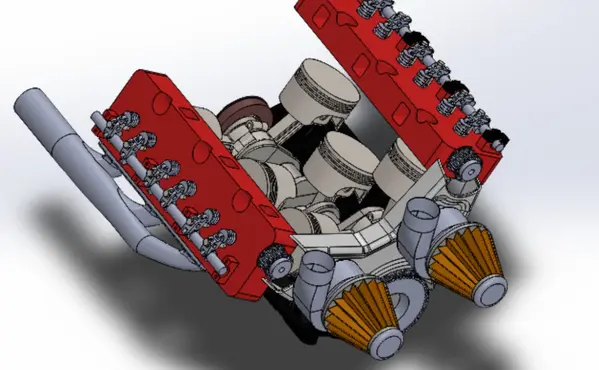
Modeled by CADSharp in Onshape. Rendered with RENDERCAD.
Add | Change | or Remove referenced objects with the stroke of a brush.
RENDERCAD uses a maintained selection of image-generation models for different rendering tasks. Results can vary by model and input, so compare generated output with the source design before relying on geometry, materials, or dimensions.
| Feature | RENDERCAD | Redshift for 3ds Max |
|---|---|---|
| Engine | Generative AI | GPU-accelerated biased renderer integrated with 3ds Max |
| Output | Images + Video | Still images, animation frames, beauty renders, and AOV passes |
| Resolution | HD / 4K | Set in 3ds Max Render Setup; practical output depends on scene complexity and available hardware |
| Image Speed | Image renders complete in 60 seconds. | Depends on scene content, sampling, effects, output resolution, and available GPU memory |
| Video Speed | Videos complete in 2-5 minutes. | Animation renders frame by frame; speed depends on scene complexity, sampling, and available hardware |
| Scene Set Up | No separate local scene | 3ds Max scene with Redshift selected as renderer, cameras, Redshift materials, lights, sampling and output settings, plus optional AOVs |
| Input | Screen Snip | Autodesk 3ds Max scene through the Redshift plugin |
| Hardware | Cloud GPU | Plugin for compatible 3ds Max installations on Windows |
| Install | None | Install through the Maxon App or Redshift installer and configure the plugin for a compatible 3ds Max installation |
| Cost | from $9/mo | Commercial licensing is required; availability and terms vary by account and region |
Read the numbers. We trust you to know theirs.
Skip a separate local scene build. Pick a condition, material, and background while RENDERCAD handles the image-generation step. Image renders complete in 60 seconds.
 ™
RENDERCAD™
™
RENDERCAD™
Use the browser workflow directly, capture a selected view with the desktop app, or start from the browser extension.
Get StartedCommon solutions for Redshift for 3ds Max users
Generation runs on cloud infrastructure, so a local rendering GPU is not required. The device still needs sufficient resources for the source application, browser, and network connection.
Context prompts can provide a visual scale cue, but the source model and known dimensions remain authoritative. Do not infer measurements from generated imagery.
RENDERCAD starts from a 2D image and uses generated material and environment direction. Built-in renderers may provide direct scene, geometry, lighting, and material control.
Provide a material reference or describe the intended scale, then compare the result with known dimensions and the source model.
A photo of an actual sample or color chip can guide the palette. Verify final color in a color-managed workflow rather than treating generated output as a color match.
Mask visible components separately when they need different material or color direction. Keep the source model or drawing beside the output because generated boundaries and part relationships can drift.
Photograph an authorized prototype or sample and use it as a material reference. Verify color, texture scale, gloss, and product fidelity because generated output will not match reality exactly.
Describe the velvet color, pile direction, and lighting, or add an authorized material reference. Review the generated texture because fiber scale and light response can vary.
Upload a CAD screenshot, real photo, or hand drawing and describe warm golden-hour light and the intended direction. Review the generated color and shadows because the interpretation can vary.
Choose the Seamless loop end-frame option to guide the clip toward a looping transition. Review the exported loop because continuity can vary by model and source image.
Yes. RENDERCAD's Render Studio works on Safari or Chrome on Mac, allowing you to turn CAD screenshots, real photos, and hand drawings into pro renders easily.
Generating images or videos consumes credits. Your balance refreshes monthly based on your subscription plan.