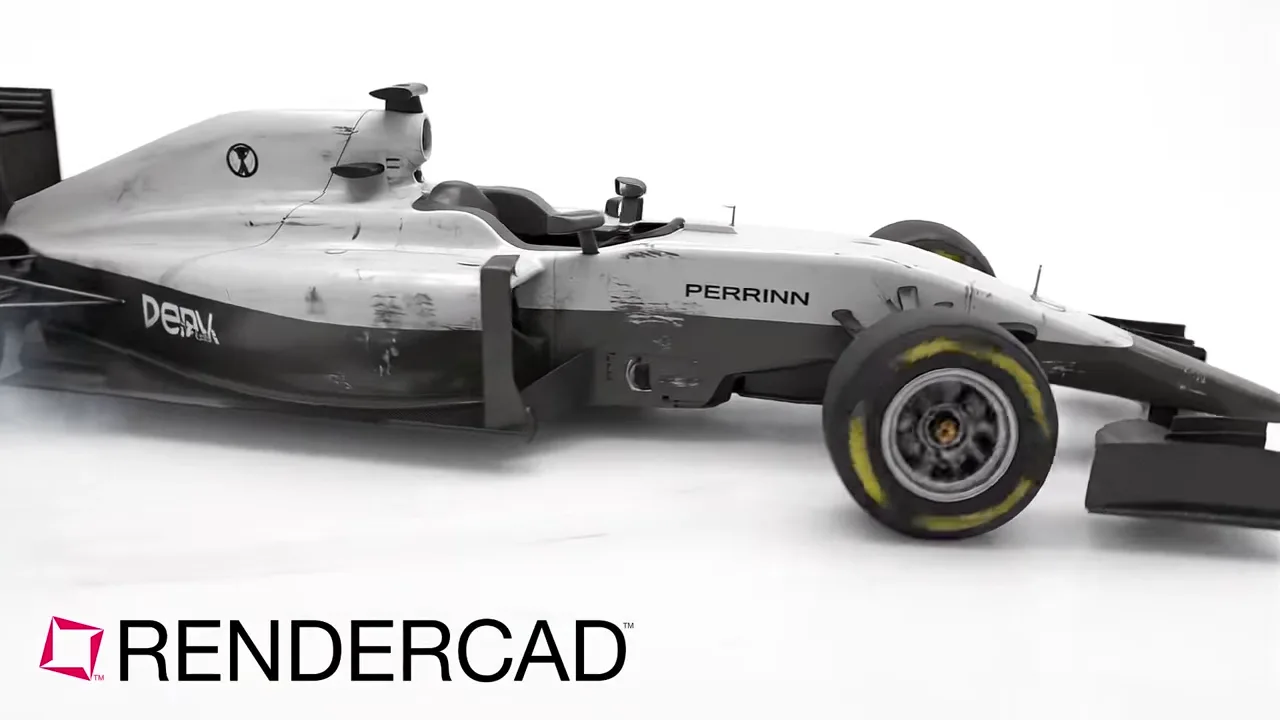
Use Redshift Render View captures to explore AI art direction for Cinema 4D scenes.
AI concept stills from Cinema 4D scenes developed and rendered with Redshift.


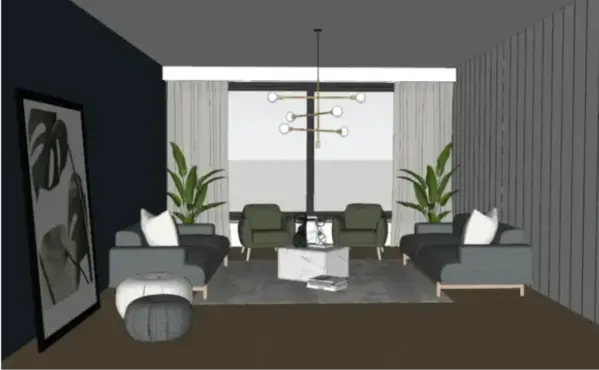
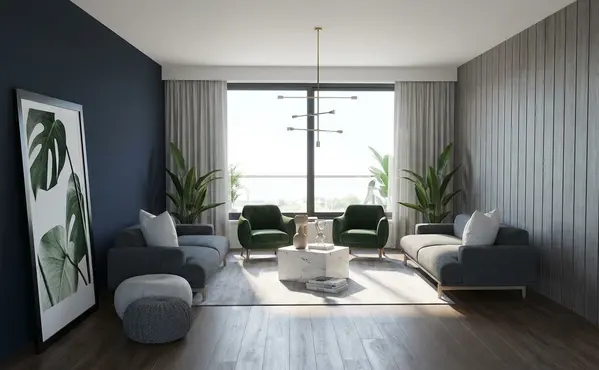
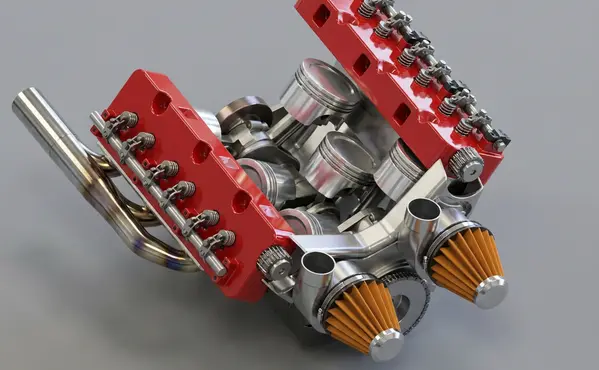


AI concept stills from Cinema 4D scenes developed and rendered with Redshift.
Redshift for Cinema 4D is used to develop rendered 3D imagery while artists adjust cameras, lights, geometry, effects, and node-based materials in Cinema 4D. Its Render View and interactive preview rendering make a useful source view for creative discussion: frame a hero product, title sequence set, retail display, interior, architectural view, or stylized 3D composition, then capture the strongest work-in-progress image. RENDERCAD can turn that grounded view into polished concept stills for deciding the intended mood before the team spends time refining every physically based detail. Explore alternatives for light direction, backdrop treatment, surface character, atmospheric depth, prop styling, and presentation while keeping the original scene's broad silhouette and camera intent visible. This is particularly useful for look-development reviews, pitch imagery, product art direction, and choosing a visual language for a key frame. RENDERCAD is not a replacement for the Cinema 4D scene or the Redshift render. Return to Redshift to author the approved camera, lighting, node materials, effects, sampling, AOVs, color workflow, and repeatable animation frames.
Select Redshift as the Cinema 4D renderer and compose one representative camera view before pursuing final quality. Use the Redshift Render View or an uncluttered viewport capture to show the primary object, set, or architectural composition at a readable scale. A simple clay, lighting, or early-material view can be more useful than a busy diagnostic frame because it makes the intended form and camera clear. Upload that image to RENDERCAD with direction for the desired finish, such as a softer studio reflection, more dramatic side light, a premium catalog setting, or a more cinematic environment. Compare a small set of stills with stakeholders and translate the selected direction back into Cinema 4D: tune the camera, Redshift lights, material nodes, geometry, and post effects. Use Redshift's render settings and AOV workflow for the final approved stills or frame sequence; an AI concept image does not preserve editable scene relationships, pass data, or deterministic frame-to-frame rendering.
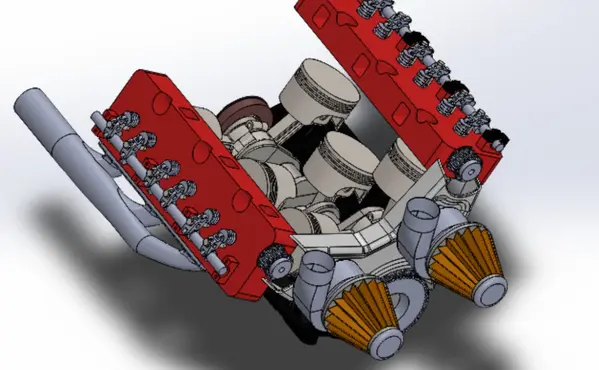
Modeled by CADSharp in Onshape. Rendered with RENDERCAD.
Add | Change | or Remove referenced objects with the stroke of a brush.
RENDERCAD uses a maintained selection of image-generation models for different rendering tasks. Results can vary by model and input, so compare generated output with the source design before relying on geometry, materials, or dimensions.
| Feature | RENDERCAD | Redshift for Cinema 4D |
|---|---|---|
| Engine | Generative AI | Cinema 4D production renderer with CPU rendering and optional GPU or hybrid rendering, depending on installation and device configuration |
| Output | Images + Video | Rendered stills and animation frames, with Render View previews and optional AOV or multipass output |
| Resolution | HD / 4K | Set in Cinema 4D render settings; practical output depends on scene complexity and available hardware |
| Image Speed | Image renders complete in 60 seconds. | Varies with scene complexity, render settings, enabled devices, materials, volumes, and effects |
| Video Speed | Videos complete in 2-5 minutes. | Animation is rendered as individual frames; turnaround varies with scene and render resources |
| Scene Set Up | No separate local scene | Cinema 4D scene with Redshift selected as renderer, cameras, lights, materials, render settings, and optional AOV configuration |
| Input | Screen Snip | Cinema 4D scenes using Redshift as the active renderer |
| Hardware | Cloud GPU | Cinema 4D desktop application with Redshift selected in render settings |
| Install | None | Cinema 4D includes a CPU version of Redshift; GPU and hybrid use depend on the installed Redshift capabilities and compatible hardware |
| Cost | from $9/mo | Cinema 4D and Redshift access are licensed through Maxon; consult current Maxon options |
Read the numbers. We trust you to know theirs.
Skip a separate local scene build. Pick a condition, material, and background while RENDERCAD handles the image-generation step. Image renders complete in 60 seconds.
 ™
RENDERCAD™
™
RENDERCAD™
Use the browser workflow directly, capture a selected view with the desktop app, or start from the browser extension.
Get StartedCommon solutions for Redshift for Cinema 4D users
Generation runs on cloud infrastructure, so a local rendering GPU is not required. The device still needs sufficient resources for the source application, browser, and network connection.
Context prompts can provide a visual scale cue, but the source model and known dimensions remain authoritative. Do not infer measurements from generated imagery.
RENDERCAD starts from a 2D image and uses generated material and environment direction. Built-in renderers may provide direct scene, geometry, lighting, and material control.
Provide a material reference or describe the intended scale, then compare the result with known dimensions and the source model.
A photo of an actual sample or color chip can guide the palette. Verify final color in a color-managed workflow rather than treating generated output as a color match.
Use overlapping masked regions with separate references or instructions, then inspect the transition and iterate where a boundary is visible.
Photograph an authorized prototype or sample and use it as a material reference. Verify color, texture scale, gloss, and product fidelity because generated output will not match reality exactly.
Describe the velvet color, pile direction, and lighting, or add an authorized material reference. Review the generated texture because fiber scale and light response can vary.
Upload a CAD screenshot, real photo, or hand drawing and describe warm golden-hour light and the intended direction. Review the generated color and shadows because the interpretation can vary.
Start from an image that clearly shows the existing separated components, then choose the Exploded View product motion. Review the clip against the source because generated motion can alter part boundaries or relationships.
Yes. RENDERCAD's Render Studio works on Safari or Chrome on Mac, allowing you to turn CAD screenshots, real photos, and hand drawings into pro renders easily.
Generating images or videos consumes credits. Your balance refreshes monthly based on your subscription plan.