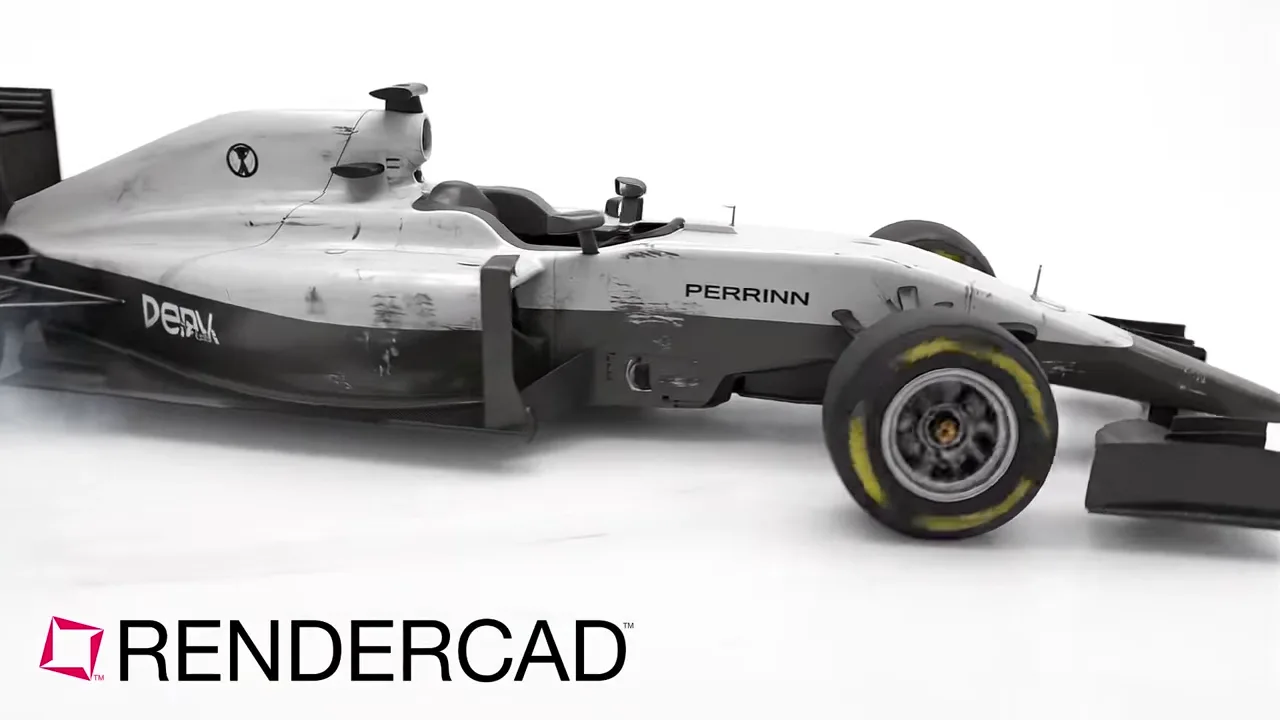
Explore concept stills from Maya cameras and Redshift RenderView.
Use a framed Redshift RenderView or Maya camera capture to explore presentation directions for a Maya scene before final rendering.


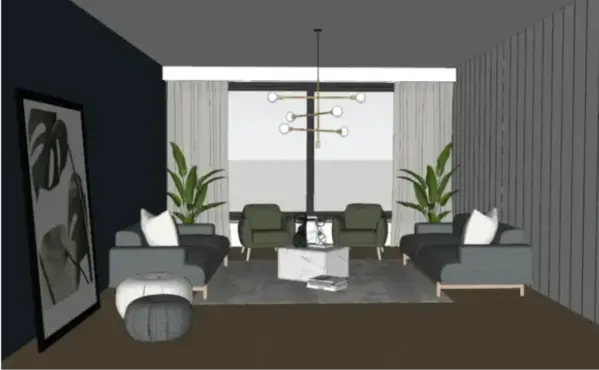
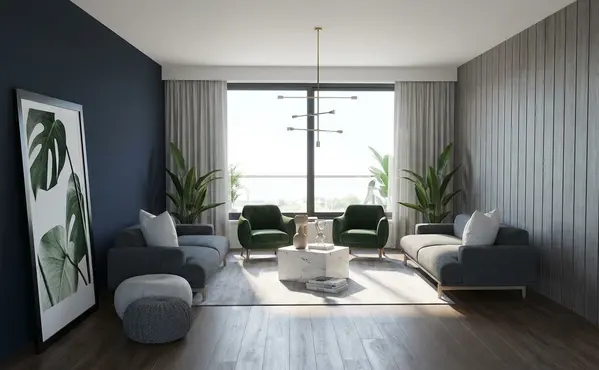
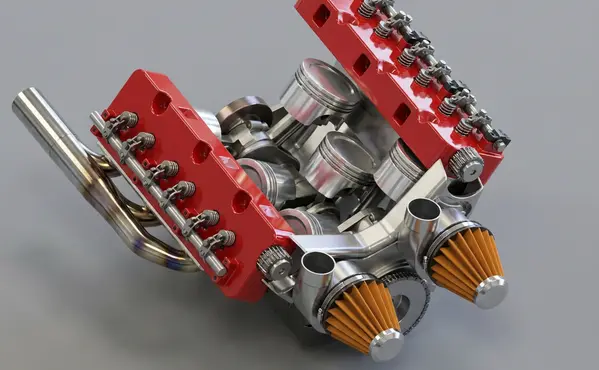


Use a framed Redshift RenderView or Maya camera capture to explore presentation directions for a Maya scene before final rendering.
Redshift for Maya is a production renderer integrated with Autodesk Maya for artists developing assets and shots with cameras, lights, materials, geometry, and render settings. Its Redshift RenderView supports interactive preview rendering, and artists can inspect the beauty image or enabled AOVs while refining a product model, character, environment, prop, or architectural scene. That makes a deliberately framed RenderView image useful when the question is visual direction rather than final technical output: which lighting mood suits the product, how should an asset read against a background, or what composition makes a proposed shot easier to discuss.
RENDERCAD can turn a clean Maya camera capture or Redshift RenderView frame into concept stills for reviews, pitch decks, early art direction, and marketing exploration. Keep the main silhouette, camera angle, and important materials visible in the input so the generated image has a strong scene reference. Use Redshift and the Maya scene as the source of truth for approved geometry, shader behavior, lighting values, AOVs, final resolution, and animation frames. A RENDERCAD still is a visual exploration aid, not a substitute for validating the production render or reconstructing a Maya scene.
In Maya, choose the shot camera that best explains the asset or scene and use Redshift RenderView to make a readable preview. An IPR frame is useful for fast feedback on camera, light, and material adjustments, but use a final-quality Redshift render when the preview omits effects important to the decision. Hide overlays and choose a crop where the model's silhouette, key surfaces, and scale cues are clear. Upload the resulting image to RENDERCAD with a focused direction such as a studio product presentation, a different lighting mood, a plausible environmental backdrop, or a more communicative review image. Compare the concepts with the Maya scene, then carry the selected direction back into Redshift for controlled lighting, materials, AOV setup, final frames, and animation rendering.
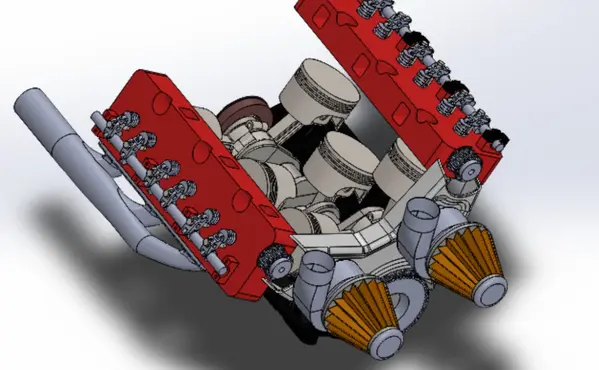
Modeled by CADSharp in Onshape. Rendered with RENDERCAD.
Add | Change | or Remove referenced objects with the stroke of a brush.
RENDERCAD uses a maintained selection of image-generation models for different rendering tasks. Results can vary by model and input, so compare generated output with the source design before relying on geometry, materials, or dimensions.
| Feature | RENDERCAD | Redshift for Maya |
|---|---|---|
| Engine | Generative AI | Biased, GPU-accelerated production renderer integrated with Maya |
| Output | Images + Video | Still images, animation frames, and optional render passes configured in Maya |
| Resolution | HD / 4K | Set in Maya render settings and dependent on available hardware and scene complexity |
| Image Speed | Image renders complete in 60 seconds. | Dependent on scene complexity, render settings, resolution, and available hardware |
| Video Speed | Videos complete in 2-5 minutes. | Animation is rendered as frames; time depends on the scene and render setup |
| Scene Set Up | No separate local scene | Maya scene with Redshift selected as the renderer, plus materials, lights, cameras, render settings, RenderView or IPR, and optional AOV configuration |
| Input | Screen Snip | Autodesk Maya scene rendered through the Redshift plugin |
| Hardware | Cloud GPU | Plugin for supported Autodesk Maya versions on Windows, macOS, and Linux |
| Install | None | Install through the Maxon App or a Redshift installer, then load or configure the Maya plugin as needed |
| Cost | from $9/mo | A Redshift license is required; licensing options and terms vary |
Read the numbers. We trust you to know theirs.
Skip a separate local scene build. Pick a condition, material, and background while RENDERCAD handles the image-generation step. Image renders complete in 60 seconds.
 ™
RENDERCAD™
™
RENDERCAD™
Use the browser workflow directly, capture a selected view with the desktop app, or start from the browser extension.
Get StartedCommon solutions for Redshift for Maya users
The screenshot workflow uses image inputs, presets, and plain-language direction. Teams should still review generated output with the appropriate designer or product owner.
Use a condition preset or regional instruction to explore dust, scratches, or age. Generated wear patterns do not predict real product use.
A supported browser can submit a clear 2D input without a local rendering GPU.
The current desktop app or browser extension can capture a selected view and send the screenshot into RENDERCAD without a CAD rendering plugin.
A photo of an actual sample or color chip can guide the palette. Verify final color in a color-managed workflow rather than treating generated output as a color match.
Masking lets you target a region of a CAD screenshot, real photo, or hand drawing with a reference image or instruction. Generation can still affect other regions, so inspect the full result.
Set up masks for each customizable component. Swap material references for each masked region to quickly visualize different product configurations.
Describe the tint, transparency, thickness, and lighting direction. Generated absorption and reflections are visual approximations and should not be treated as material simulation.
Upload a clear image, choose the Realistic engine, and describe a large soft light source or overcast lighting. Generated shadows are visual approximations, not a physical lighting calculation.
RENDERCAD videos are generated at 720p.
No local NVIDIA rendering GPU is required. Use a supported browser to upload an image or a current capture tool to select a screenshot; generation runs on cloud infrastructure.
The Render History page lets you browse and download retained images and videos. Storage duration depends on the account plan, so download assets you need before they expire.