Presentation still options from legacy Shaderlight and SketchUp views.
Develop legacy Shaderlight for SketchUp render views into polished presentation stills and visual alternatives.


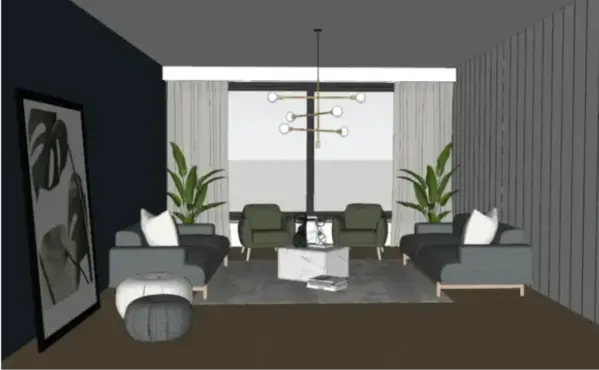
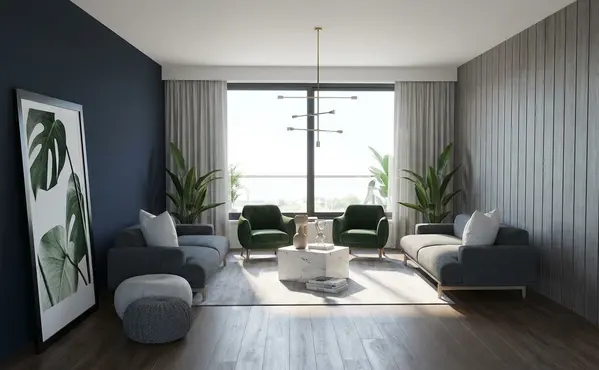


Develop legacy Shaderlight for SketchUp render views into polished presentation stills and visual alternatives.
Shaderlight was built as an interactive SketchUp rendering plugin, so a legacy project often contains the decisions that matter most to a presentation: a saved SketchUp scene, camera composition, modeled massing, material assignments, and daylight or interior-light intent. A completed progressive Shaderlight still is a useful starting point when that view communicates the proposal but needs more variations for a review, board, or client conversation. RENDERCAD can develop a clean Shaderlight render or uncluttered SketchUp viewport capture into alternate image directions without requiring the original model to be rebuilt. Explore warmer or cooler atmosphere, a more resolved material character, a simplified studio backdrop for a product or fixture, or a different sense of exterior context while keeping the original framing recognizable. This is particularly useful for architecture, interiors, retail concepts, and design studies where the image needs to explain a choice rather than replace the underlying model. Keep the Shaderlight and SketchUp project as the source of truth for exact geometry, dimensions, material schedules, lighting settings, and any view that must be reproduced precisely. RENDERCAD is best used for image-level presentation exploration from a trusted legacy view, not for validating or editing the native SketchUp scene.
Open the legacy SketchUp model and choose the saved scene or Shaderlight render whose camera angle already tells the design story. Let the model, assigned materials, visible openings, furniture, and sun or environment cues remain legible, then export a finished still or capture a clean preview with no application panels, cursor, or selection outlines. Use the clearest available image, since the camera framing and visible design evidence guide the result. In RENDERCAD, describe one presentation objective at a time: a softer daylight interior, a more tactile facade palette, a calmer product backdrop, or a credible context mood for a proposal image. Generate a small set of alternatives and compare them against the Shaderlight reference for composition, key design elements, and review suitability. Return to SketchUp or the original render whenever a revision changes geometry, camera position, material specification, or lighting that needs an exact, repeatable answer. Use selected RENDERCAD stills as visual directions for client discussion, early marketing layouts, concept boards, or a brief that guides the next native scene revision.
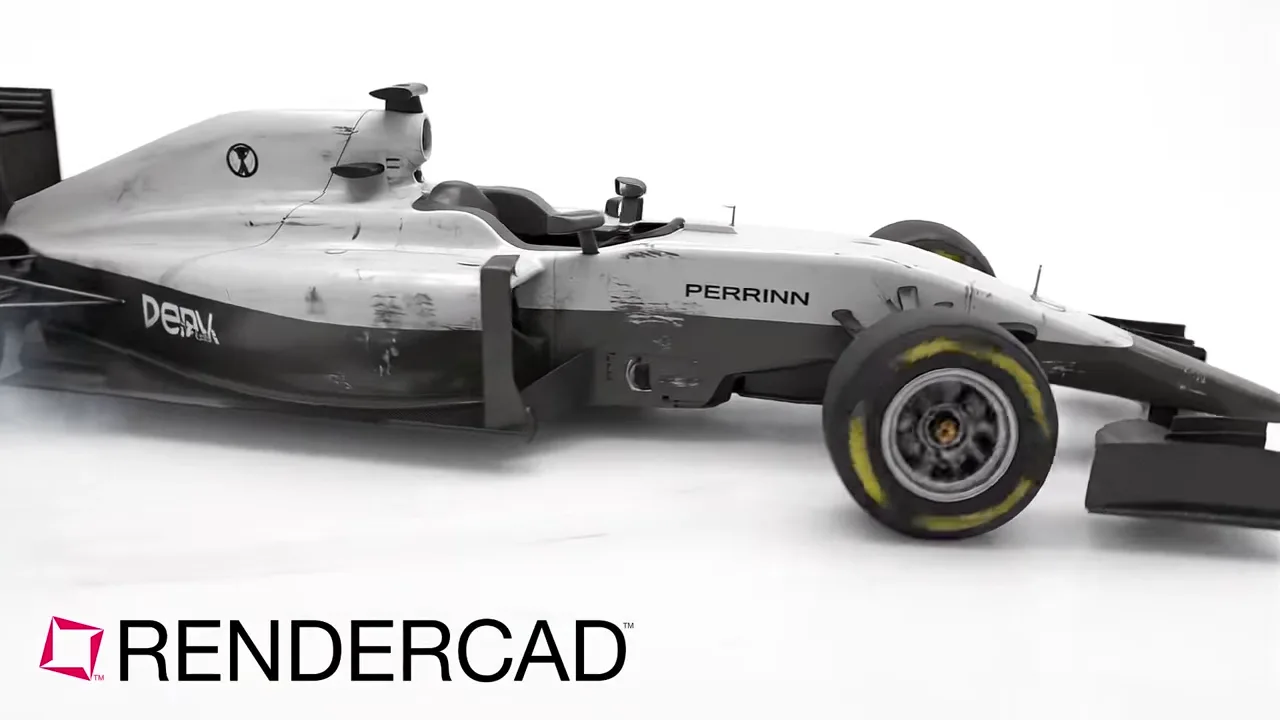
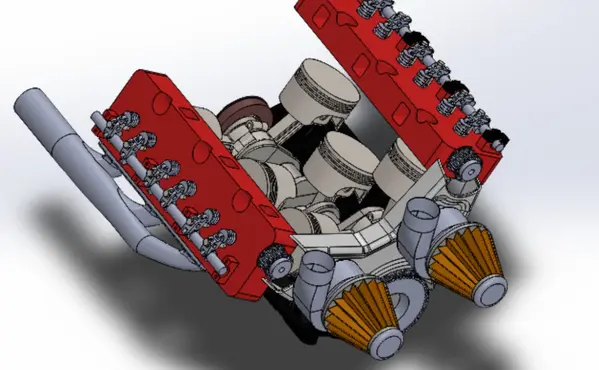
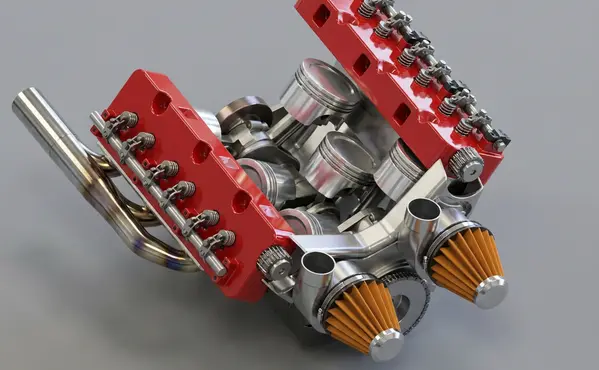
Modeled by CADSharp in Onshape. Rendered with RENDERCAD.
Add | Change | or Remove referenced objects with the stroke of a brush.
RENDERCAD uses a maintained selection of image-generation models for different rendering tasks. Results can vary by model and input, so compare generated output with the source design before relying on geometry, materials, or dimensions.
| Feature | RENDERCAD | Shaderlight for SketchUp |
|---|---|---|
| Engine | Generative AI | Discontinued interactive rendering plugin integrated with legacy SketchUp desktop workflows |
| Output | Images + Video | Progressive render previews, saved still images, and frame-based scene-animation output from compatible legacy projects |
| Resolution | HD / 4K | Set through the legacy render settings; practical output depends on the project, render quality, and available local resources |
| Image Speed | Image renders complete in 60 seconds. | Varies with scene complexity, materials, lighting, render quality, output size, and available local computing resources |
| Video Speed | Videos complete in 2-5 minutes. | Legacy scene-animation output is rendered frame by frame, with duration depending on scene complexity, render quality, output size, and available local resources |
| Scene Set Up | No separate local scene | Build the scene in SketchUp with geometry, materials, saved cameras, sun or environment lighting, and Shaderlight material or light settings; preserve those cues in the source capture |
| Input | Screen Snip | Legacy SketchUp models, assigned materials, saved scenes or cameras, sunlight or environment settings, and Shaderlight lighting or material adjustments |
| Hardware | Cloud GPU | Legacy SketchUp desktop installations; compatibility with newer SketchUp releases is not maintained |
| Install | None | Requires an existing Shaderlight installation, license, and a compatible legacy SketchUp setup; the product is no longer supported |
| Cost | from $9/mo | The original developer stated that new licenses and upgrades are no longer available |
Read the numbers. We trust you to know theirs.
Skip a separate local scene build. Pick a condition, material, and background while RENDERCAD handles the image-generation step. Image renders complete in 60 seconds.
 ™
RENDERCAD™
™
RENDERCAD™
Use the browser workflow directly, capture a selected view with the desktop app, or start from the browser extension.
Get StartedCommon solutions for Shaderlight users
Yes. Upload a photo of a foam model and prompt "Finished plastic product" to visualize the final look.
Describe cinematic depth of field and the intended focus area. Check that important product details remain sharp after generation.
Image renders complete in 60 seconds.
Generation runs on cloud infrastructure, so a local rendering GPU is not required. The device still needs sufficient resources for the source application, browser, and network connection.
Context prompts can provide a visual scale cue, but the source model and known dimensions remain authoritative. Do not infer measurements from generated imagery.
RENDERCAD starts from a 2D image and uses generated material and environment direction. Built-in renderers may provide direct scene, geometry, lighting, and material control.
Provide a material reference or describe the intended scale, then compare the result with known dimensions and the source model.
Photograph or scan an authorized material swatch and upload it as a reference. Verify the generated texture's scale, direction, and color against the physical sample.
Yes. Mask the region that needs adjustment and provide a focused instruction. RENDERCAD generates a new image, so inspect both the targeted region and the rest of the output for drift.
Yes. Use authorized previous renders as style references, then review the new output because visual consistency can vary.
Upload a clear image or use a current capture tool, describe carbon fiber, and add an authorized material reference when a specific visual direction matters. Image renders complete in 60 seconds.
Upload a CAD screenshot, real photo, or hand drawing and describe warm golden-hour light and the intended direction. Review the generated color and shadows because the interpretation can vary.