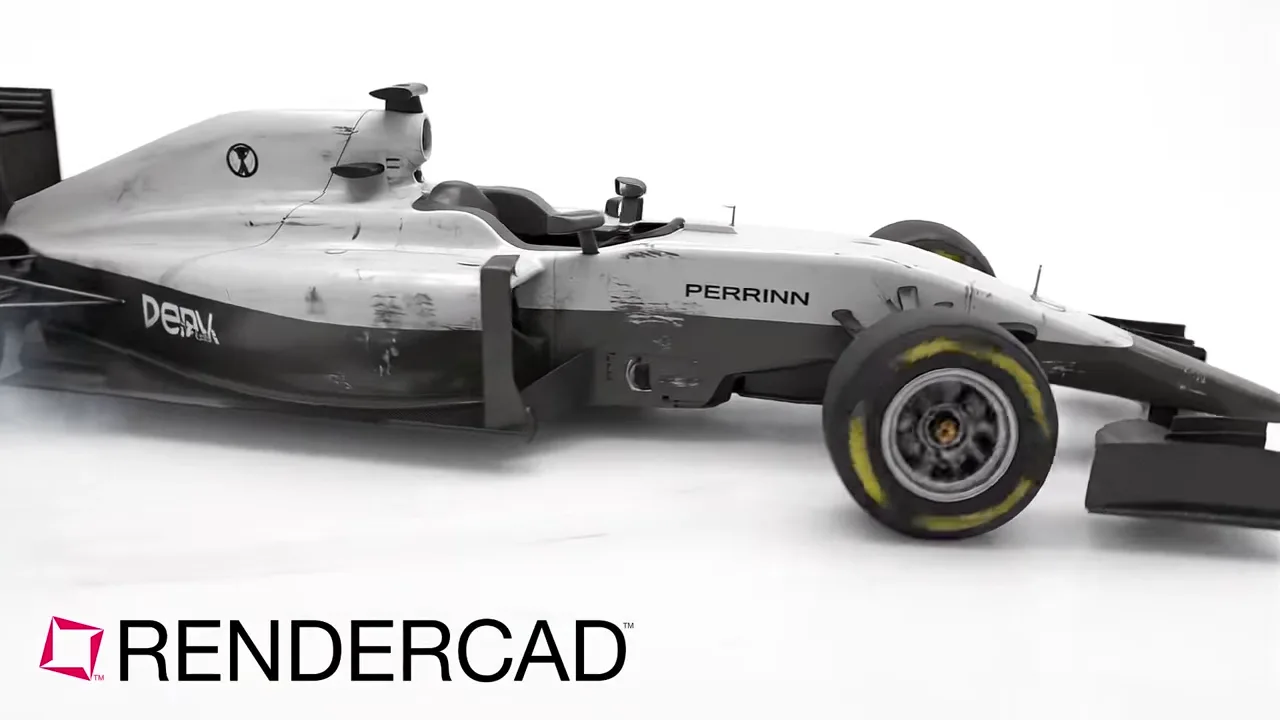
Test presentation directions from Maya camera views and Octane IPR captures.
Octane Render for Maya is a GPU rendering plugin for Autodesk Maya that supports interactive preview rendering for scene look development. Artists use its Maya integration to refine cameras, lights, textures, shaders, and Octane materials while judging the image, then produce final stills, animation frames, and render passes from the authored scene.


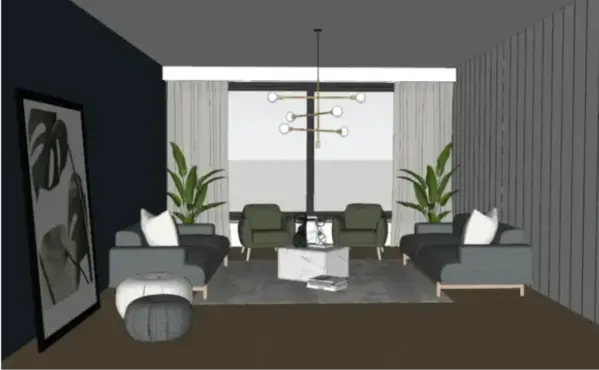
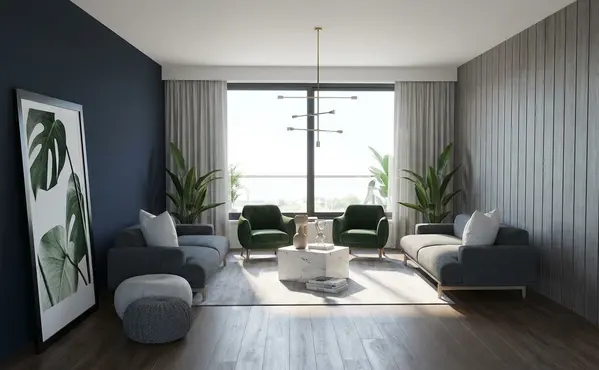
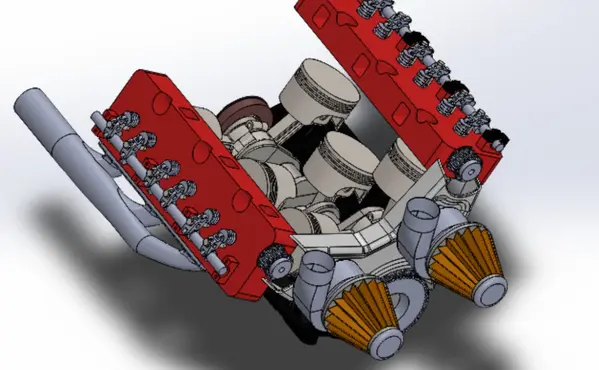


Octane Render for Maya is a GPU rendering plugin for Autodesk Maya that supports interactive preview rendering for scene look development. Artists use its Maya integration to refine cameras, lights, textures, shaders, and Octane materials while judging the image, then produce final stills, animation frames, and render passes from the authored scene.
Octane Render for Maya supports interactive preview rendering while artists adjust lights, shaders, textures, cameras, and render settings in a Maya scene. The Octane IPR is particularly useful for assessing the beauty image during look development, including product surfaces, interior lighting, a vehicle finish, a character costume, or an environment mood. A clean camera framing or IPR capture can also be a practical brief when the immediate goal is to communicate a visual direction before committing more time to scene work. Upload that image to RENDERCAD to explore alternate presentation lighting, background context, reflection character, and material mood while keeping the subject and composition clear. Use the resulting concepts to discuss art direction, marketing imagery, or a client review, then translate the selected direction back into the Maya scene. RENDERCAD does not replace the Maya file, Octane material network, camera, animation, or render-pass setup: retain Octane for controlled final frames and compositing-ready output.
In Maya, choose a resolved camera view or Octane IPR frame with the intended object, scale, and silhouette clearly visible. Hide selection outlines, guides, and interface clutter before capturing it. Upload the image to RENDERCAD with a concise direction for the intended audience, such as studio product lighting, a softer interior mood, a location background, or a campaign-ready hero composition. State the features that must remain faithful, including geometry, proportions, logo placement, camera angle, and key material cues. Compare several presentation directions with stakeholders, then return to Maya and Octane to rebuild the approved lighting, materials, camera changes, and any required AOV or render-pass choices. Use the final Octane scene as the source of truth for high-control stills, animation frames, and compositing work. For repeatable workflows, consult RENDERCAD developer documentation for current integration guidance.
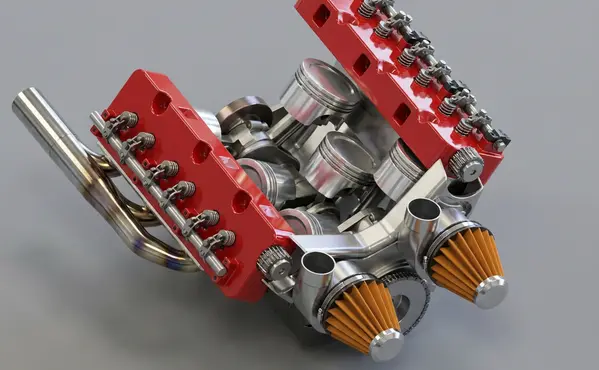
Modeled by CADSharp in Onshape. Rendered with RENDERCAD.
Add | Change | or Remove referenced objects with the stroke of a brush.
RENDERCAD uses a maintained selection of image-generation models for different rendering tasks. Results can vary by model and input, so compare generated output with the source design before relying on geometry, materials, or dimensions.
| Feature | RENDERCAD | Octane Render for Maya |
|---|---|---|
| Engine | Generative AI | GPU renderer integrated with Autodesk Maya through the OctaneRender plugin |
| Output | Images + Video | Rendered still images, animation frame sequences, and render passes from Maya scenes |
| Resolution | HD / 4K | Configured in Maya render settings and constrained by the scene and available hardware resources |
| Image Speed | Image renders complete in 60 seconds. | Varies with scene complexity, kernel settings, sampling, lighting, materials, and available GPU resources |
| Video Speed | Videos complete in 2-5 minutes. | Animation is rendered as individual frames through Maya rendering workflows |
| Scene Set Up | No separate local scene | Maya scene with OctaneRender selected, geometry, Octane materials, lights, cameras, kernel settings, and output settings |
| Input | Screen Snip | Autodesk Maya scenes prepared for the OctaneRender plugin |
| Hardware | Cloud GPU | Autodesk Maya desktop plugin workflow using compatible OctaneRender software and hardware |
| Install | None | Install the Maya plugin and complete the required OctaneRender activation steps |
| Cost | from $9/mo | Commercial access and licensing terms are managed by OTOY |
Read the numbers. We trust you to know theirs.
Skip a separate local scene build. Pick a condition, material, and background while RENDERCAD handles the image-generation step. Image renders complete in 60 seconds.
 ™
RENDERCAD™
™
RENDERCAD™
Use the browser workflow directly, capture a selected view with the desktop app, or start from the browser extension.
Get StartedCommon solutions for Octane Render for Maya users
Yes. A current desktop capture app and browser extension are available, and the browser upload workflow remains available without either tool.
Describe cinematic depth of field and the intended focus area. Check that important product details remain sharp after generation.
Generation runs on cloud infrastructure, so a local rendering GPU is not required. The laptop still needs a supported browser, network access, and enough resources for the source application and image upload.
The core workflow is available in a supported browser and accepts a selected 2D image, so it does not require a rendering plugin in the source application.
The model can reinterpret curves and surface transitions from the 2D input. Compare the result with the source because edges and geometry can drift.
It accepts a clear viewport screenshot, so a separate local material, light, and camera scene is not required for the image-generation workflow.
It lets you describe motion, steam, lighting changes, or atmosphere for a generated clip. Added details may not exist in the source model.
Yes, if you are authorized to use it. A reference guides visual direction but does not guarantee style replication or geometry preservation.
Yes. Mask the region that needs adjustment and provide a focused instruction. RENDERCAD generates a new image, so inspect both the targeted region and the rest of the output for drift.
Yes. Mask a region, then assign a specific reference image just to that masked area. Other areas can have different references or default to the prompt.
Capture a clear view and describe the intended glow color, brightness, and surrounding light spill. Review the generated image because bloom and illumination can vary.
Choose a suitable background and describe a reflective floor. Inspect the generated reflection for alignment, product fidelity, and unintended details.