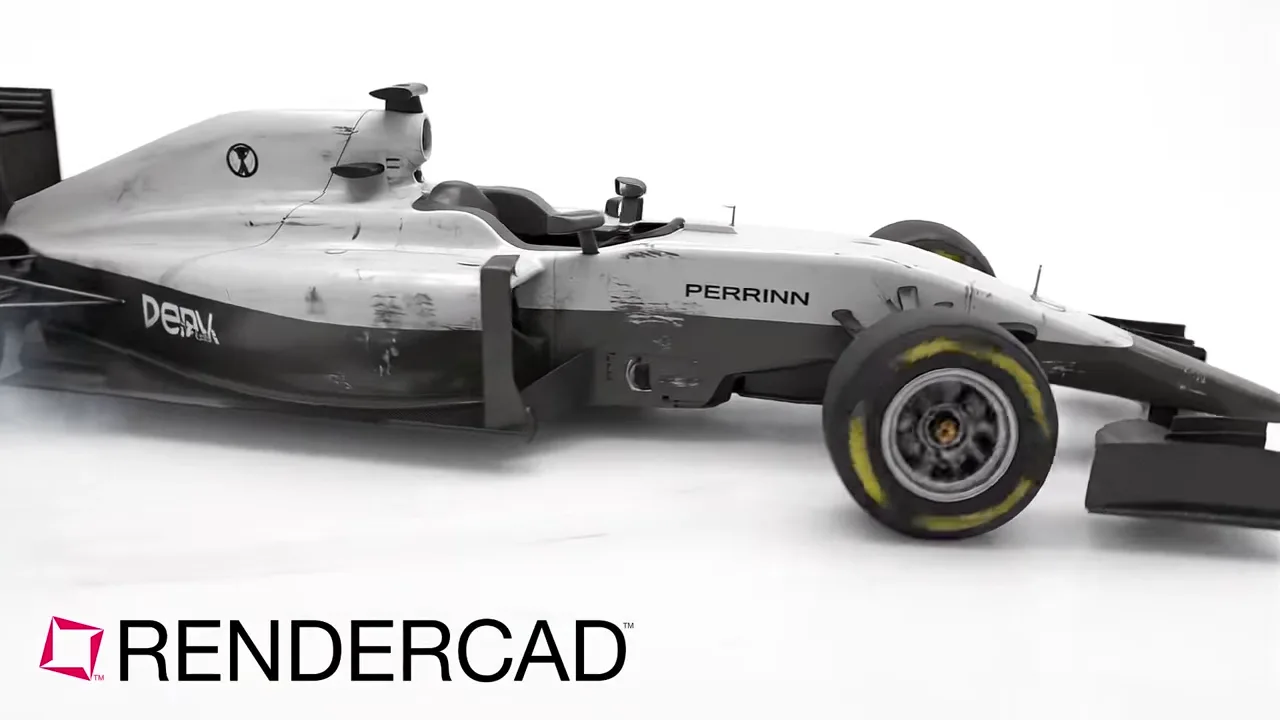
Turn OpenSCAD parameterized part views into clear product imagery.
Script-based 3D CAD modeler for code-defined solid parts, configurable variants, and constructive solid geometry. OpenSCAD designs can use parameters, modules, loops, transformations, extrusions, and boolean operations to generate repeatable physical parts.


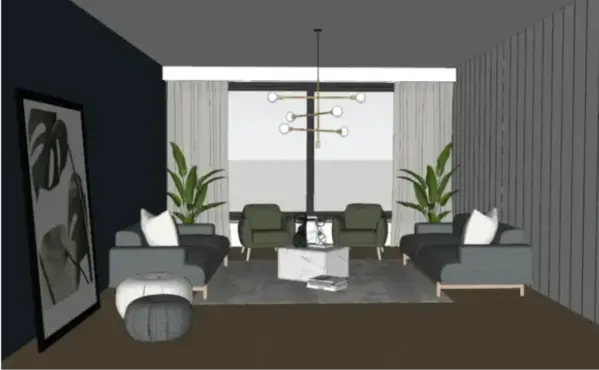

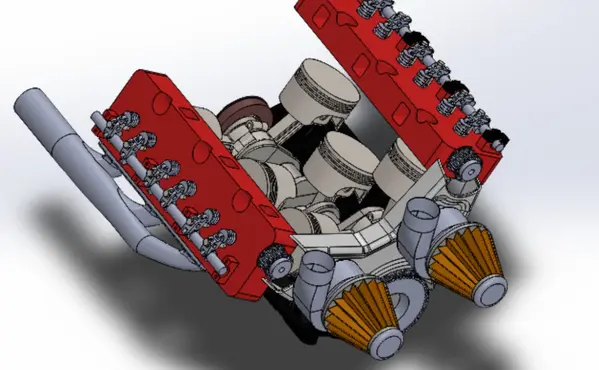
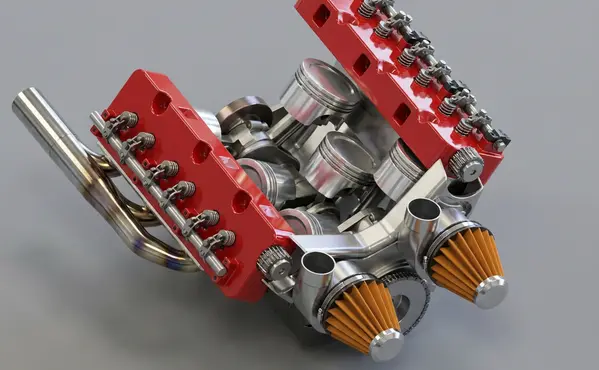


Script-based 3D CAD modeler for code-defined solid parts, configurable variants, and constructive solid geometry. OpenSCAD designs can use parameters, modules, loops, transformations, extrusions, and boolean operations to generate repeatable physical parts.
OpenSCAD is built for describing a model in code rather than sculpting it interactively. Designers and makers use .scad files to create parameter-driven enclosures, brackets, mounts, fixtures, organizers, replacement parts, and other solids, often with a Customizer or named parameter set for variations. Its preview and rendered views are valuable for checking the constructed geometry, but their technical appearance may not explain a part's intended material, finish, scale, or setting to a client, customer, or assembly audience. RENDERCAD can use a clean OpenSCAD viewport capture or PNG export of the selected variant as a shape reference for a more presentation-ready image. This is useful for concept reviews, maker instructions, listings, product pages, and documentation that need a clear visual of the chosen configuration. Describe the visible material, finish, lighting, background, and product context while retaining the defining silhouette, openings, and functional features from the OpenSCAD view. Keep the .scad source as the authority for dimensions, clearances, printability, and geometry changes.
Open the .scad design and select the exact parameters or Customizer preset to show. Preview the model, then use a view that reveals its important interfaces, such as fastener holes, cutouts, a lid seam, or a mounting face. For a still image, remove distracting editor and diagnostic elements and capture the viewport, or export a PNG with the chosen camera and projection. Upload that image to RENDERCAD with a prompt that names the object, its visible material and finish, the desired lighting, and an appropriate background or use setting. A neutral product view suits a listing, while an in-context workbench or installed view can better support instructions or a concept presentation. Review the output against the source model, especially around holes, wall thickness, and functional edges. Return to OpenSCAD for all parameter, geometry, export, and manufacturing decisions. For repeatable visual workflows using the API, start at RENDERCAD developer documentation.
Modeled by CADSharp in Onshape. Rendered with RENDERCAD.
Add | Change | or Remove referenced objects with the stroke of a brush.
RENDERCAD uses a maintained selection of image-generation models for different rendering tasks. Results can vary by model and input, so compare generated output with the source design before relying on geometry, materials, or dimensions.
| Feature | RENDERCAD | Competitor |
|---|---|---|
| Engine | Generative AI | Varies by tool |
| Output | Images + Video | Varies by tool |
| Resolution | HD / 4K | Varies by workflow |
| Image Speed | Image renders complete in 60 seconds. | Varies by scene/tool |
| Video Speed | Videos complete in 2-5 minutes. | Varies by workflow |
| Scene Set Up | No separate local scene | Varies by workflow |
| Input | Screen Snip | Varies by tool |
| Hardware | Cloud GPU | Often local GPU/CPU |
| Install | None | Varies (web or app) |
| Cost | from $9/mo | Varies widely |
Read the numbers. We trust you to know theirs.
Skip a separate local scene build. Pick a condition, material, and background while RENDERCAD handles the image-generation step. Image renders complete in 60 seconds.
 ™
RENDERCAD™
™
RENDERCAD™
Use the browser workflow directly, capture a selected view with the desktop app, or start from the browser extension.
Get StartedCommon solutions for OpenSCAD users
Yes. Use authorized previous renders as style references, then review the new output because visual consistency can vary.
Upload a clear image, then choose a worn condition or describe rust and age in the prompt. Review the result because the generated wear pattern may not match real use or material behavior.
Upload a CAD screenshot, real photo, or hand drawing and describe warm golden-hour light and the intended direction. Review the generated color and shadows because the interpretation can vary.
Videos complete in 2-5 minutes.
Yes. RENDERCAD's Render Studio works on Safari or Chrome on Mac, allowing you to turn CAD screenshots, real photos, and hand drawings into pro renders easily.
Generating images or videos consumes credits. Your balance refreshes monthly based on your subscription plan.
Use Freeform style and prompt "Pencil Sketch" or "Blueprint" to turn your image into an illustration.
RENDERCAD can place a clear viewport capture into a described lifestyle environment, such as a kitchen or office, and produce options for review.
The screenshot workflow uses image inputs, presets, and plain-language direction. Teams should still review generated output with the appropriate designer or product owner.
Use a condition preset or regional instruction to explore dust, scratches, or age. Generated wear patterns do not predict real product use.
A supported browser can submit a clear 2D input without a local rendering GPU.
The current desktop app or browser extension can capture a selected view and send the screenshot into RENDERCAD without a CAD rendering plugin.