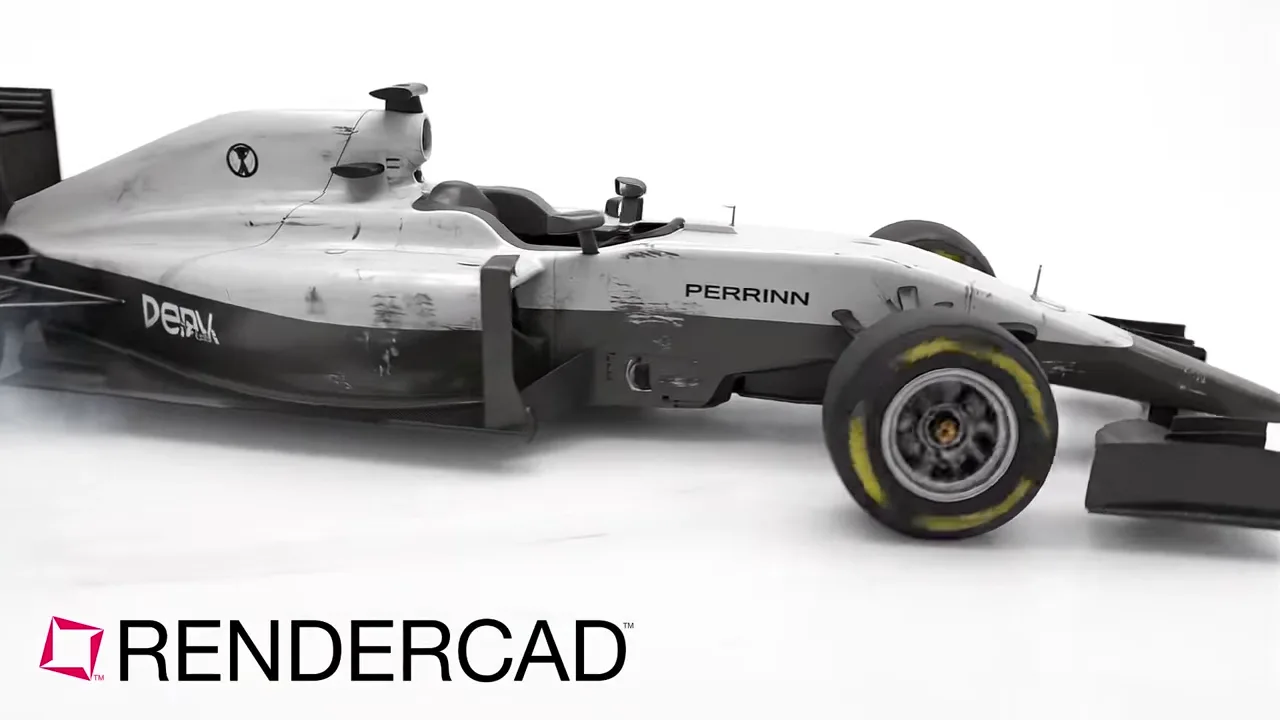
Turn legacy Fryrender for Rhino views into focused presentation studies.
Create polished presentation studies from archived Fryrender for Rhino frames, Rhino viewports, and saved camera views.


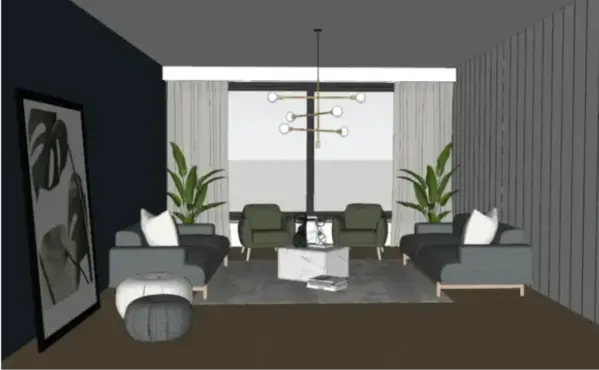
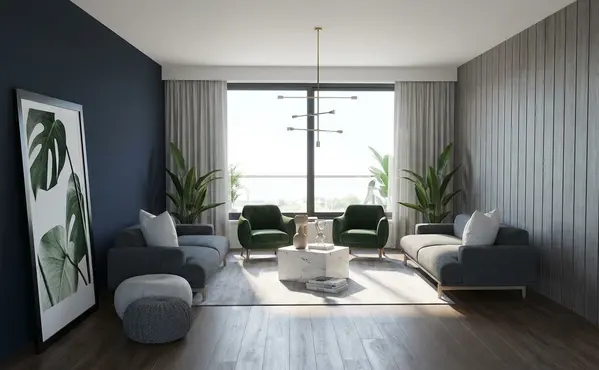
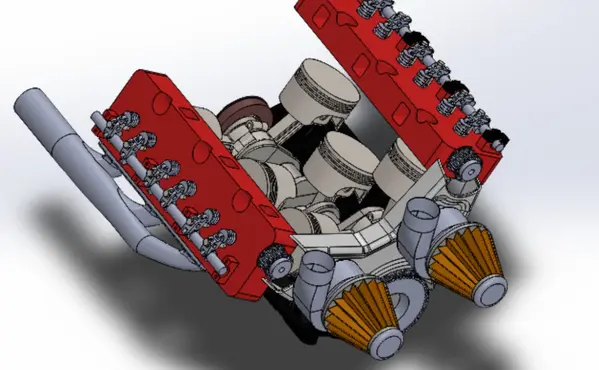


Create polished presentation studies from archived Fryrender for Rhino frames, Rhino viewports, and saved camera views.
Fryrender for Rhino was a Rhino plug-in built around physically based rendering. In an archived project, the Rhino model, saved camera, assigned materials, lighting, and environment remain the useful record of the design even when reopening the original render setup is inconvenient. RENDERCAD can turn a clean Rhino viewport, clay study, material preview, or draft Fryrender still into a clearer visual direction for a product, jewelry piece, furniture concept, interior, exterior, or architectural detail. It is useful when a designer needs to compare studio lighting, surface character, backdrop, or composition before preparing a presentation image. Keep the model's silhouette, openings, joins, proportions, and essential material cues visible in the input so the result remains tied to the design. RENDERCAD is a presentation and ideation step, not a substitute for the archived Rhino model or the original scene data when dimensions, exact materials, or physically verified lighting must be authoritative.
Begin in Rhino with the saved camera or viewport that best explains the object or space. Hide construction geometry, selection highlights, reference layers, and objects outside the intended view, then make sure key edges, openings, and material boundaries are legible. Capture a viewport or a draft Fryrender image with the camera angle already decided. In RENDERCAD, describe one focused visual direction, such as a soft studio setup for a product, a daylight interior mood, or a restrained architectural context. Generate a small set of alternatives and compare them for composition, lighting mood, background treatment, and material read. Select the direction that communicates the concept, then return to Rhino or the preserved render scene when exact geometry, specified finishes, camera matching, or technical approval is required. The selected image can support a review board, portfolio refresh, design discussion, or early client presentation.
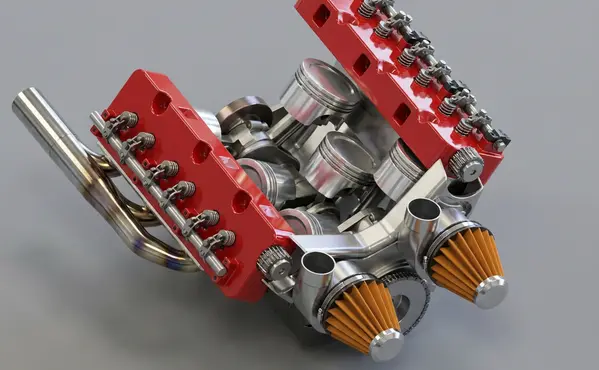
Modeled by CADSharp in Onshape. Rendered with RENDERCAD.
Add | Change | or Remove referenced objects with the stroke of a brush.
RENDERCAD uses a maintained selection of image-generation models for different rendering tasks. Results can vary by model and input, so compare generated output with the source design before relying on geometry, materials, or dimensions.
| Feature | RENDERCAD | Fryrender for Rhino |
|---|---|---|
| Engine | Generative AI | Legacy physically based unbiased rendering plug-in for Rhino |
| Output | Images + Video | Rendered still images from Rhino-driven scenes |
| Resolution | HD / 4K | Configured in render settings; practical limits depend on scene complexity and available hardware |
| Image Speed | Image renders complete in 60 seconds. | Depends on scene complexity, lighting, materials, quality settings, and available hardware |
| Video Speed | Videos complete in 2-5 minutes. | The archived workflow is primarily relevant for still-image rendering; any animation capability depends on the preserved project setup |
| Scene Set Up | No separate local scene | Rhino model with assigned materials, camera, lighting, environment, and Fryrender settings |
| Input | Screen Snip | Rhino model views and scene data prepared through the Fryrender plug-in workflow |
| Hardware | Cloud GPU | Legacy Rhino desktop plug-in workflow; compatibility depends on archived host and system setup |
| Install | None | The original workflow requires Fryrender and its Rhino plug-in installation |
| Cost | from $9/mo | Legacy commercial availability may depend on existing installs or archived licensing |
Read the numbers. We trust you to know theirs.
Skip a separate local scene build. Pick a condition, material, and background while RENDERCAD handles the image-generation step. Image renders complete in 60 seconds.
 ™
RENDERCAD™
™
RENDERCAD™
Use the browser workflow directly, capture a selected view with the desktop app, or start from the browser extension.
Get StartedCommon solutions for Fryrender for Rhino users
It accepts a clear viewport screenshot, so a separate local material, light, and camera scene is not required for the image-generation workflow.
It lets you describe motion, steam, lighting changes, or atmosphere for a generated clip. Added details may not exist in the source model.
Use an authorized photo with the intended studio, outdoor, or dramatic lighting as a reference. It guides the look but does not reproduce a measured lighting setup.
Yes. Mask each region and assign an authorized texture reference or instruction. Review material boundaries, scale, and product fidelity after generation.
Yes. Mask a region, then assign a specific reference image just to that masked area. Other areas can have different references or default to the prompt.
Upload a clear image, then choose a worn condition or describe rust and age in the prompt. Review the result because the generated wear pattern may not match real use or material behavior.
Choose a suitable background and describe a reflective floor. Inspect the generated reflection for alignment, product fidelity, and unintended details.
Choose the Orbit camera preset and keep the source image as the authority for product shape and visible details. Generated parallax and newly revealed areas can vary.
If the source viewport is visible but a local renderer fails, capture a clear screenshot and use it as a RENDERCAD input. Image renders complete in 60 seconds.
Yes. Upload a photo of a foam model and prompt "Finished plastic product" to visualize the final look.
Start with a sharp input, choose the Realistic engine, and use 4K when additional output resolution is needed. Higher resolution does not recover source detail that is missing or guarantee geometry fidelity.
Image renders complete in 60 seconds.