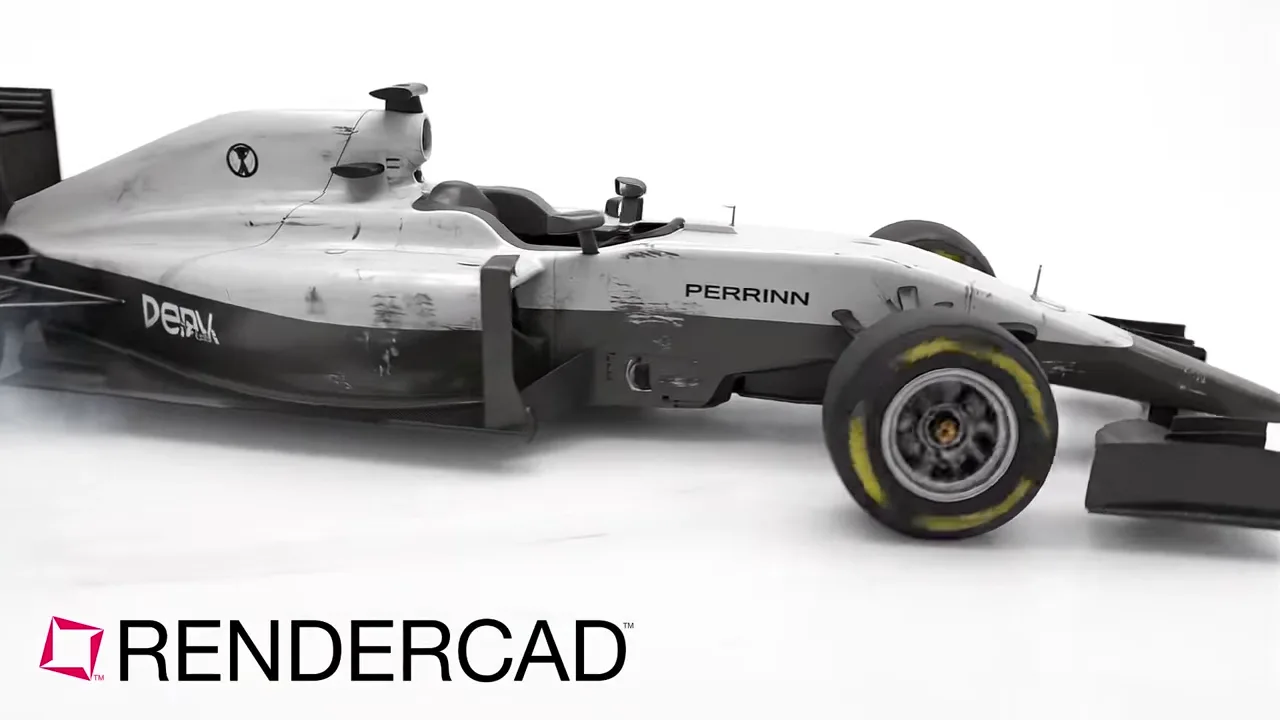
Refresh legacy Fryrender and SketchUp views for presentation.
Develop presentation visuals from legacy Fryrender for SketchUp scenes, saved Fryrender stills, and clean SketchUp camera views. Preserve the model-led composition while exploring a clearer material, lighting, and context direction for architectural, interior, furniture, or product imagery.


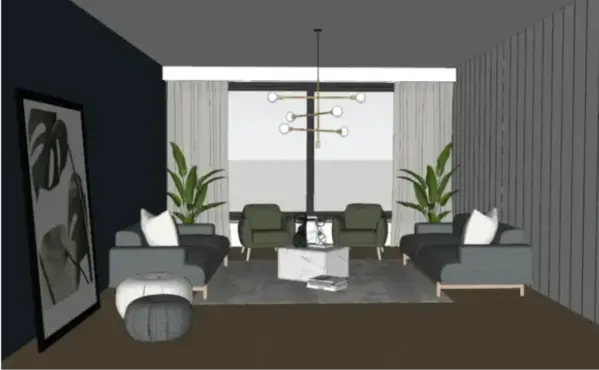
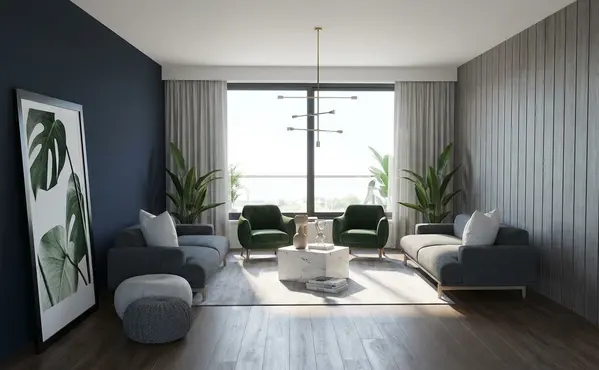


Develop presentation visuals from legacy Fryrender for SketchUp scenes, saved Fryrender stills, and clean SketchUp camera views. Preserve the model-led composition while exploring a clearer material, lighting, and context direction for architectural, interior, furniture, or product imagery.
Fryrender for SketchUp describes a legacy RandomControl workflow in which a SketchUp model and its scene choices were prepared for physically based image rendering. It remains a relevant search for designers with an older model, named SketchUp view, exported scene assets, or a finished Fryrender still that still communicates the design. RENDERCAD is useful when that image needs a new presentation direction but reopening the legacy renderer, rebuilding its materials, or resolving old installation constraints would interrupt the job. Start from the SketchUp camera view when the layout, openings, massing, and object placement are the important source of truth. Start from a Fryrender still when its camera, light balance, or surface character is already the best reference. Create alternatives for a residential interior, exterior concept, furniture study, product scene, or early marketing image by directing the desired material mood, daylight, background, or styling. The resulting image is a visual exploration, not a replacement for the SketchUp model, measured geometry, construction detail, or final material specification.
In SketchUp, open the saved scene that best represents the intended camera and switch to a clean display: hide guides, axes if distracting, selection outlines, section clutter, and helper geometry. Make sure visible layers, materials, shadows, and field of view support the design story, then capture the viewport at the delivery aspect ratio. If an existing Fryrender still is stronger, use it as the starting image and retain its composition as the reference. In RENDERCAD, request a focused visual change rather than a redesign, such as diffuse overcast light for an exterior, warmer evening light for an interior, a refined timber or stone direction, or a neutral studio setting for an object. Compare each result against the source to check that walls, windows, furniture scale, silhouettes, and circulation still read correctly. Use selected variations for mood boards, client options, concept presentations, or marketing drafts, then return to the SketchUp model and documented finish schedule for decisions that require accuracy.
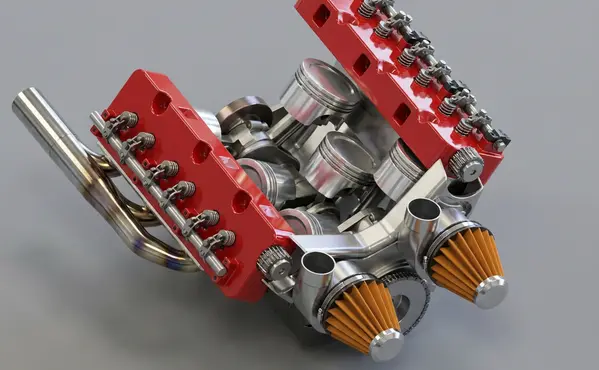
Modeled by CADSharp in Onshape. Rendered with RENDERCAD.
Add | Change | or Remove referenced objects with the stroke of a brush.
RENDERCAD uses a maintained selection of image-generation models for different rendering tasks. Results can vary by model and input, so compare generated output with the source design before relying on geometry, materials, or dimensions.
| Feature | RENDERCAD | Fryrender for SketchUp |
|---|---|---|
| Engine | Generative AI | Legacy RandomControl physically based unbiased renderer |
| Output | Images + Video | Rendered stills from exported SketchUp scenes |
| Resolution | HD / 4K | Configured in render settings; practical limits depend on scene complexity and local hardware |
| Image Speed | Image renders complete in 60 seconds. | Dependent on scene detail, render settings, and available hardware; final unbiased renders may take longer than draft previews |
| Video Speed | Videos complete in 2-5 minutes. | Frame-by-frame rendering depends on scene complexity, render settings, and hardware |
| Scene Set Up | No separate local scene | A SketchUp model exported through the legacy workflow with assigned materials, camera, environment, and render settings |
| Input | Screen Snip | SketchUp scene data exported through the legacy Fryrender workflow |
| Hardware | Cloud GPU | Legacy desktop workflow for compatible SketchUp and system versions |
| Install | None | The original workflow used the Fryrender application and its SketchUp integration |
| Cost | from $9/mo | Historical commercial licensing; current availability may depend on existing installations or archived software |
Read the numbers. We trust you to know theirs.
Skip a separate local scene build. Pick a condition, material, and background while RENDERCAD handles the image-generation step. Image renders complete in 60 seconds.
 ™
RENDERCAD™
™
RENDERCAD™
Use the browser workflow directly, capture a selected view with the desktop app, or start from the browser extension.
Get StartedCommon solutions for Fryrender for SketchUp users
Share only reference images your team is authorized to use, together with the instructions and review criteria that produced a useful result. Reusing a reference can guide consistency but does not guarantee identical output.
Capture a clear view, select the Realistic engine, choose the Factory New condition, and describe brushed aluminum. A material reference can guide grain direction, but review the generated surface against the source design.
Choose the Dusty condition and describe the intended atmosphere. Generated dust is illustrative, so review how it affects important product details.
Choose the Orbit camera preset and keep the source image as the authority for product shape and visible details. Generated parallax and newly revealed areas can vary.
Use the RENDERCAD Overlay to capture a clear viewport without rebuilding a separate render scene. Image renders complete in 60 seconds.
Yes. A current desktop capture app and browser extension are available, and the browser upload workflow remains available without either tool.
Use Freeform style and prompt "Pencil Sketch" or "Blueprint" to turn your image into an illustration.
Generation runs on cloud infrastructure, so a local rendering GPU is not required. The laptop still needs a supported browser, network access, and enough resources for the source application and image upload.
The core workflow is available in a supported browser and accepts a selected 2D image, so it does not require a rendering plugin in the source application.
The model can reinterpret curves and surface transitions from the 2D input. Compare the result with the source because edges and geometry can drift.
It accepts a clear viewport screenshot, so a separate local material, light, and camera scene is not required for the image-generation workflow.
It lets you describe motion, steam, lighting changes, or atmosphere for a generated clip. Added details may not exist in the source model.