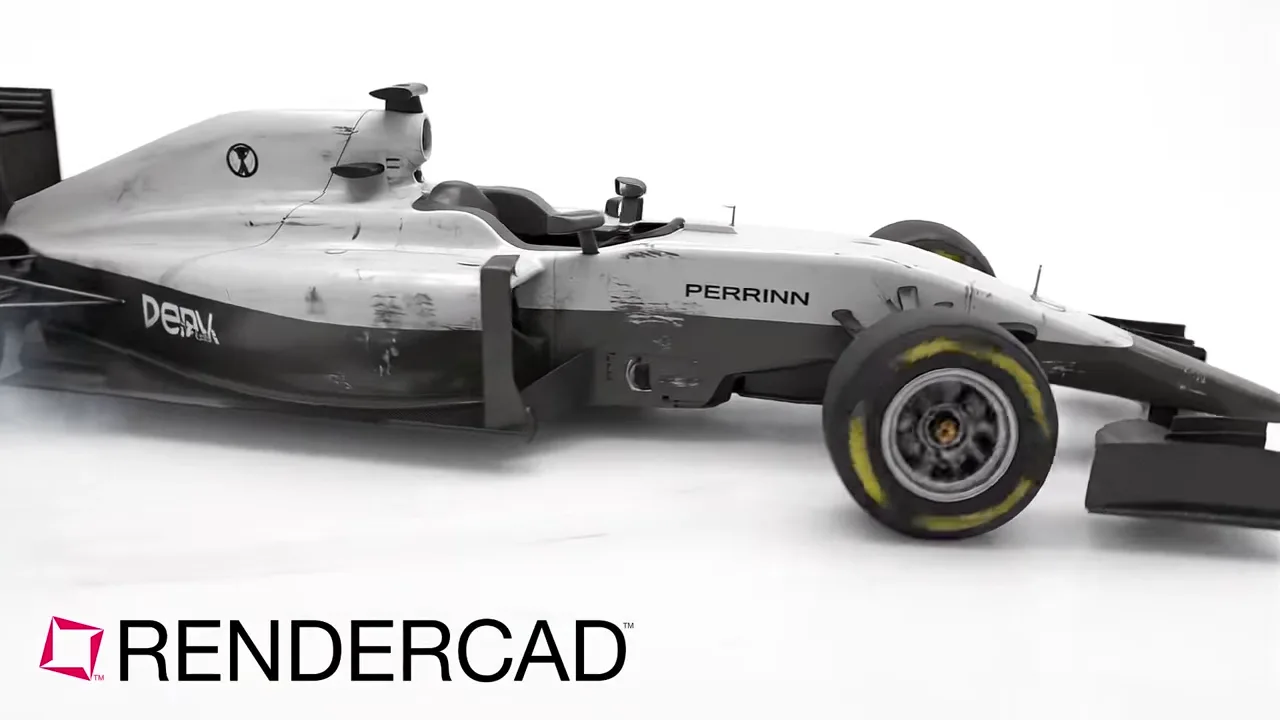
AI image studies from Indigo Renderer previews for lighting and product visuals.
Indigo Renderer is a physically based CPU and GPU renderer from Glare Technologies that uses spectral light transport, photographic camera controls, and realistic material models. Its workflows suit architectural, interior, product, and material imagery where glass, metal, depth of field, daylight, and mixed lighting need careful visual judgment. Indigo can also separate lighting contributions into light layers and produce channels for compositing, helping artists assess a scene before its final render is locked.


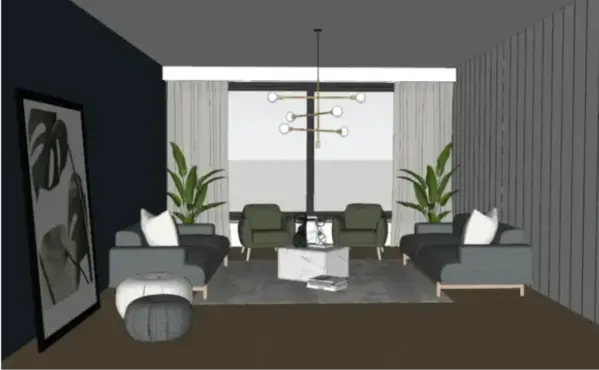
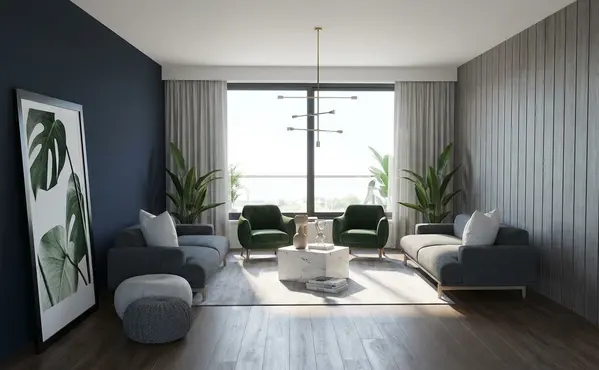
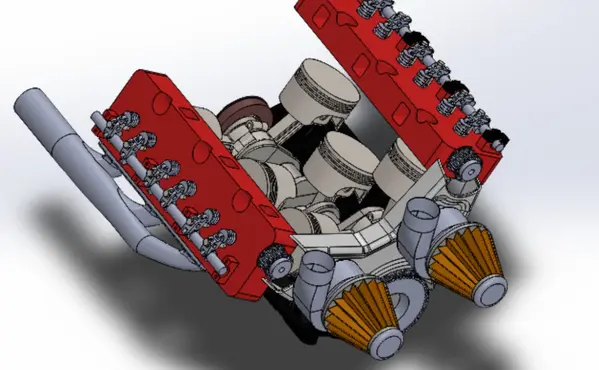
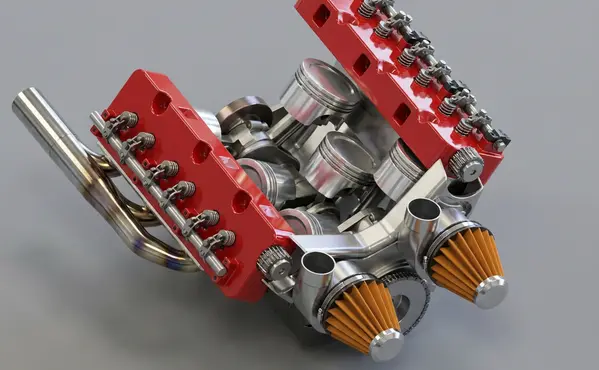


Indigo Renderer is a physically based CPU and GPU renderer from Glare Technologies that uses spectral light transport, photographic camera controls, and realistic material models. Its workflows suit architectural, interior, product, and material imagery where glass, metal, depth of field, daylight, and mixed lighting need careful visual judgment. Indigo can also separate lighting contributions into light layers and produce channels for compositing, helping artists assess a scene before its final render is locked.
Indigo Renderer is a strong fit for image work in which the behavior of light is part of the design decision: an interior with daylight and practical fixtures, a glass facade against a skyline, a reflective product hero shot, or a close material study. Start with a composed Indigo interactive preview, draft render, or exporter camera view that clearly preserves the model silhouette, intended framing, key materials, and main light direction. RENDERCAD can turn that visual starting point into fast presentation studies for alternate background context, styling, atmosphere, crop, and marketing-oriented still directions. This is useful when a team needs to compare art direction before committing more time to sampling, animation frames, or compositing. Keep Indigo as the source of truth for the final scene. Its spectral materials, physical camera settings, sun and sky setup, emissive lighting, light-layer adjustments, and render channels cannot be reconstructed reliably from an image study and should be finalized in the renderer.
Build the Indigo scene or exporter view with the intended geometry, camera angle, material contrast, and lighting cues visible at review size. A low-sample render is often the most useful handoff because it retains the real scene composition while leaving room to explore art direction. Use RENDERCAD to create a small set of visual directions, such as a revised setting for a product, a warmer or cooler interior mood, a cleaner hero-shot backdrop, or a presentation crop for a client review. Select a direction, then return to Indigo to match it with actual materials, emitter placement, sun and sky settings, camera exposure, and light layers. Render the approved still, panorama, or animation frames in Indigo, and use its alpha, depth, shadow, and per-light output where a downstream composite needs scene-accurate data. For automated image workflows, start at RENDERCAD developer documentation rather than reproducing implementation details here.
Modeled by CADSharp in Onshape. Rendered with RENDERCAD.
Add | Change | or Remove referenced objects with the stroke of a brush.
RENDERCAD uses a maintained selection of image-generation models for different rendering tasks. Results can vary by model and input, so compare generated output with the source design before relying on geometry, materials, or dimensions.
| Feature | RENDERCAD | Indigo Renderer |
|---|---|---|
| Engine | Generative AI | Physically based renderer using spectral light transport with CPU and multi-GPU rendering |
| Output | Images + Video | Rendered stills, animation frames, render channels, and HDR or standard image outputs |
| Resolution | HD / 4K | Configured per render for the intended still, animation, panorama, or output format |
| Image Speed | Image renders complete in 60 seconds. | Varies with scene complexity, lighting, render settings, output size, and available CPU, GPU, or network resources |
| Video Speed | Videos complete in 2-5 minutes. | Animation rendering speed varies with scene complexity, frame settings, and available rendering resources |
| Scene Set Up | No separate local scene | Set up through the Indigo interface or a supported DCC exporter with materials, camera, lighting, and render settings |
| Input | Screen Snip | Indigo scenes and scenes exported from supported 3D applications |
| Hardware | Cloud GPU | Desktop rendering workflows on supported operating systems and hardware |
| Install | None | Desktop renderer with exporter integrations for supported 3D applications |
| Cost | from $9/mo | Commercial renderer with product licensing options |
Read the numbers. We trust you to know theirs.
Skip a separate local scene build. Pick a condition, material, and background while RENDERCAD handles the image-generation step. Image renders complete in 60 seconds.
 ™
RENDERCAD™
™
RENDERCAD™
Use the browser workflow directly, capture a selected view with the desktop app, or start from the browser extension.
Get StartedCommon solutions for Indigo Renderer users
Yes, when you are authorized to use them. A generated concept can guide the visual direction of a later render, but product fidelity and style consistency still require review.
Describe the intended powder-coat color, gloss, and surface texture. Treat the generated finish as a visual direction and verify any production specification separately.
Upload a clear image, choose the Realistic engine, and describe a large soft light source or overcast lighting. Generated shadows are visual approximations, not a physical lighting calculation.
Choose the Orbit camera preset in the Video panel. Review the generated clip because viewpoint changes and product details can vary from a single-image input.
No local NVIDIA rendering GPU is required. Use a supported browser to upload an image or a current capture tool to select a screenshot; generation runs on cloud infrastructure.
The Render History page lets you browse and download retained images and videos. Storage duration depends on the account plan, so download assets you need before they expire.
Upload your image or snip your wireframe view. In RENDERCAD, prompt "Technical Illustration" or "Blueprint style."
The core workflow starts from a selected 2D view, so it does not require native CAD-file conversion or source-model upload.
Reuse a clear history image and change the color instruction or reference. Treat the results as visual options rather than color-managed proof.
Describe the finish, gloss, grain direction, and lighting, or provide an authorized material reference. Generated reflections are visual approximations rather than physically verified material behavior.
It uses generative image models with screenshot or image inputs. Models and features can change over time, so current product documentation is the source of truth.
Video jobs consume credits based on current duration and model settings. Check the pricing page for current costs rather than comparing with an assumed outsourcing price.