Develop presentation images from selected Clip Studio Paint canvases.
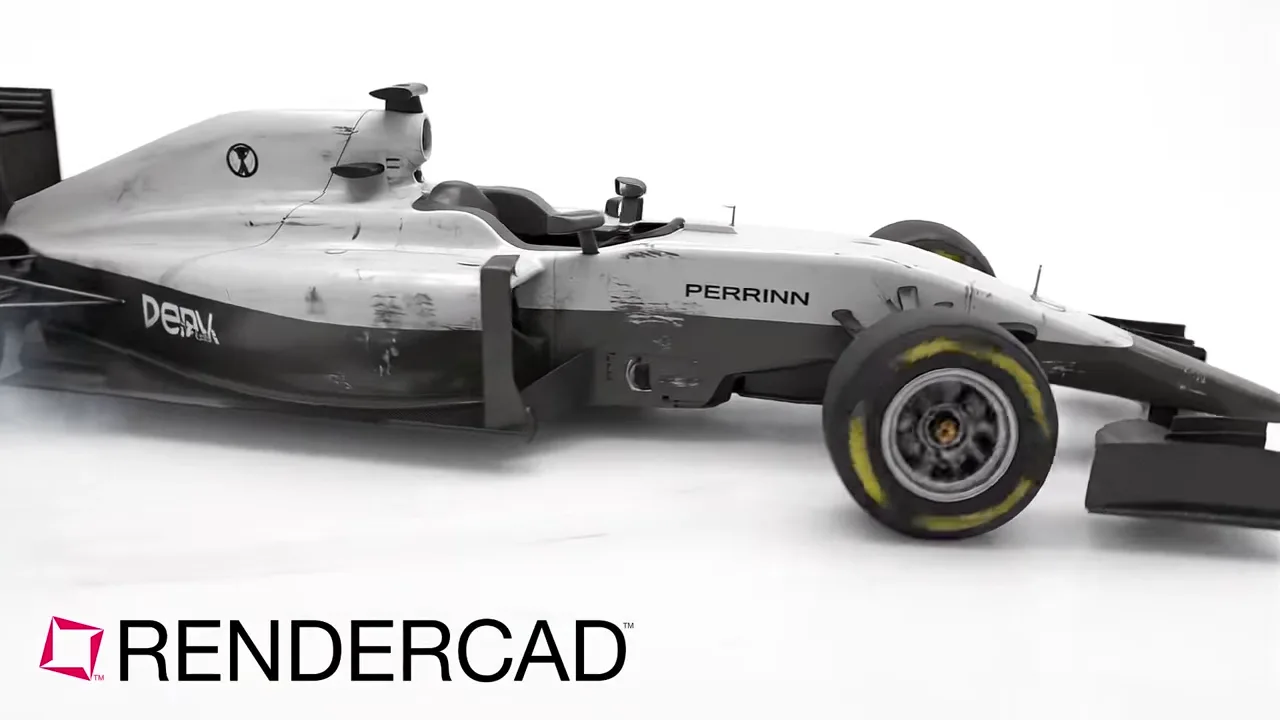
Begin with one clear PNG or JPEG exported from Clip Studio Paint. Page media shows general RENDERCAD examples and an Onshape motion example, not Clip Studio Paint artwork, interface footage, 3D materials, or native output.


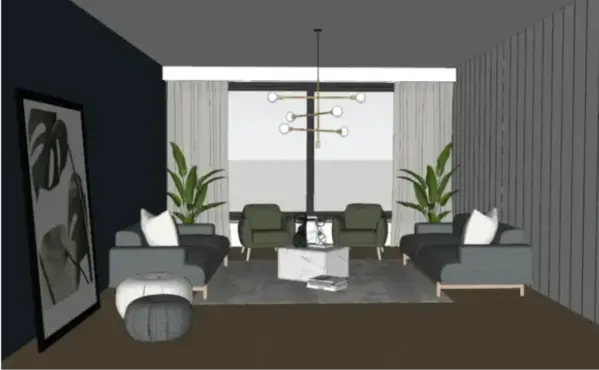

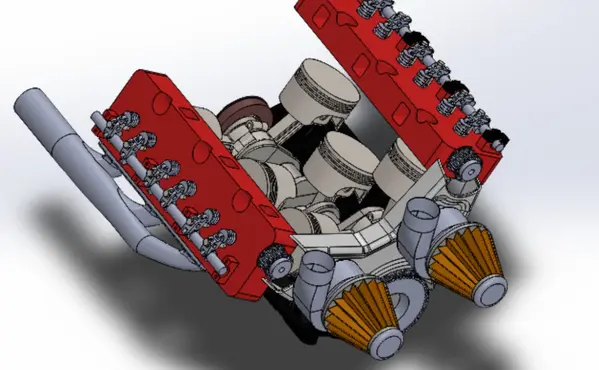



Clip Studio Paint is digital art software for illustration, concept art, comics, webtoons, and 2D animation. Artists can combine layered drawing and painting with 3D figures, objects, and backgrounds, then adjust camera, perspective, light, and shadow as visual reference. RENDERCAD begins only after one resolved canvas is exported as a flat image.
Use this workflow when one Clip Studio Paint canvas already communicates the subject, silhouette, composition, palette, and focal detail. A prop, product, interior, storefront, or environment study can provide useful direction once the visible frame is resolved enough to stand on its own.
RENDERCAD can explore a more dimensional material treatment, lighting mood, background, spatial depth, or presentation finish from that selected image. Use results for art direction, pitch imagery, portfolio studies, or early promotional exploration. Keep drawing decisions, lettering, layers, vector paths, perspective, poses, 3D references, and animation in the .clip project.
In Clip Studio Paint, prepare one deliberate frame. Use 3D figures, objects, backgrounds, camera controls, perspective rulers, light, and shadow only where they clarify pose, scale, or space. Finish enough linework, color, and painting to define the intended subject and visual hierarchy. Hide guides, rulers, notes, draft layers, crop marks, and interface elements that should not influence the result.
Keep the layered .clip file as the editable source. Use File > Export (Single Layer) to merge the visible canvas and export a clean PNG or JPEG. Upload that image with one presentation goal. Judge each result against the exported canvas, then return to Clip Studio Paint for corrections to drawing, perspective, lettering, story detail, layers, 3D setup, or animation.
This general RENDERCAD motion example uses an Onshape model, not Clip Studio Paint artwork. Generated motion uses submitted raster media without Clip Studio layers, cels, timeline, camera, or 3D scene data.
Mark part of the presentation image and request a focused change to its color, material impression, lighting, background, or surrounding detail. This edits pixels rather than Clip Studio Paint layers or objects.
Try another image model for a dimensional, photographic, atmospheric, or stylized direction. Keep the Clip Studio Paint export beside every result so the composition, silhouette, linework, palette, and important story details remain recognizable.
| Feature | RENDERCAD | Clip Studio Paint PRO / EX |
|---|---|---|
| Engine | Generative image models | Layered raster and vector drawing, painting, comics, 3D reference, and 2D animation tools |
| Output | Presentation images + optional generated video | Layered .clip projects plus flat image, print, comic, and animation exports according to grade and workflow |
| Resolution | HD / 4K | Determined by the canvas dimensions, resolution, and selected export settings |
| Image Speed | About 60 seconds | Interactive creative work; completion time depends on the artist, canvas, layers, 3D content, and device |
| Optional motion | Generated image-to-video | PRO animation is limited to 24 frames; EX supports full-length animation, with production time depending on the project |
| Scene Set Up | Flat PNG or JPEG + prompt | Canvas, layers, brushes, rulers, optional 3D materials, camera, light, shadow, and animation timeline |
| Input | One PNG or JPEG | Editable Clip Studio Paint projects and supported imported image, 3D, and media data |
| Hardware | Cloud processing | Windows, macOS, iPad, iPhone, Android, Galaxy, and Chromebook options, subject to current device requirements |
| Install | Web app | Installed Clip Studio Paint app with features determined by grade, license, plan, platform, and version |
| Cost | From $9/mo | Ver. 5 perpetual licenses are Windows/macOS; annual or monthly plans and Update Pass options are also available |
Clip Studio Paint holds the editable drawing, layers, vectors, text, rulers, 3D references, and animation. RENDERCAD interprets one flattened PNG or JPEG as separate presentation imagery.
Choose one frame with a readable subject and clear visual hierarchy. Keep useful lines, color blocks, material cues, and spatial references visible, then hide guides, notes, selections, abandoned drafts, and interface clutter before export.
 ™
RENDERCAD™
™
RENDERCAD™
Use Export (Single Layer) for a PNG or JPEG, upload an existing image in the browser, or capture the selected canvas. RENDERCAD receives visible pixels rather than the .clip project or scene data.
Get StartedClip Studio Paint versions, plans, exports, 3D references, artwork fidelity, and animation
Choose a resolved illustration, product or prop concept, interior, storefront, environment, or self-contained panel. The subject, viewpoint, palette, and focal detail should read without hidden layers or extra explanation.
Yes. Use them to establish pose, scale, perspective, camera position, light, or shadow, then draw or paint the intended scene. Their visible appearance is flattened when the canvas is exported.
Keep the editable work in the .clip document, then use Export (Single Layer) to create a clean PNG or JPEG. Hide rulers, guides, notes, selections, and interface clutter first.
No. Upload one flat PNG or JPEG. Raster and vector layers, masks, text, rulers, 3D materials, cameras, lights, animation tracks, and document organization remain in Clip Studio Paint.
Both can provide a flat exported canvas. PRO and EX differ in comics, animation, publishing, and plan capabilities, but RENDERCAD receives only the visible PNG or JPEG created from the chosen frame.
Not reliably. Compare faces, hands, costumes, props, text, logos, panel details, and important lines with the original. Make exact corrections in Clip Studio Paint before final use.
Mark the visible region and describe one presentation change. Compare the result with the original canvas because a generated edit can also reinterpret nearby linework, color boundaries, lettering, or small illustrated details.
No. RENDERCAD generates motion from submitted raster media rather than the Clip Studio Paint animation timeline. It does not inherit cels, keyframes, layers, camera tracks, or hidden drawings, so review newly revealed illustrated details between frames.